


How to Choose a Commercial Solar Service Provider: 7 Critical Questions
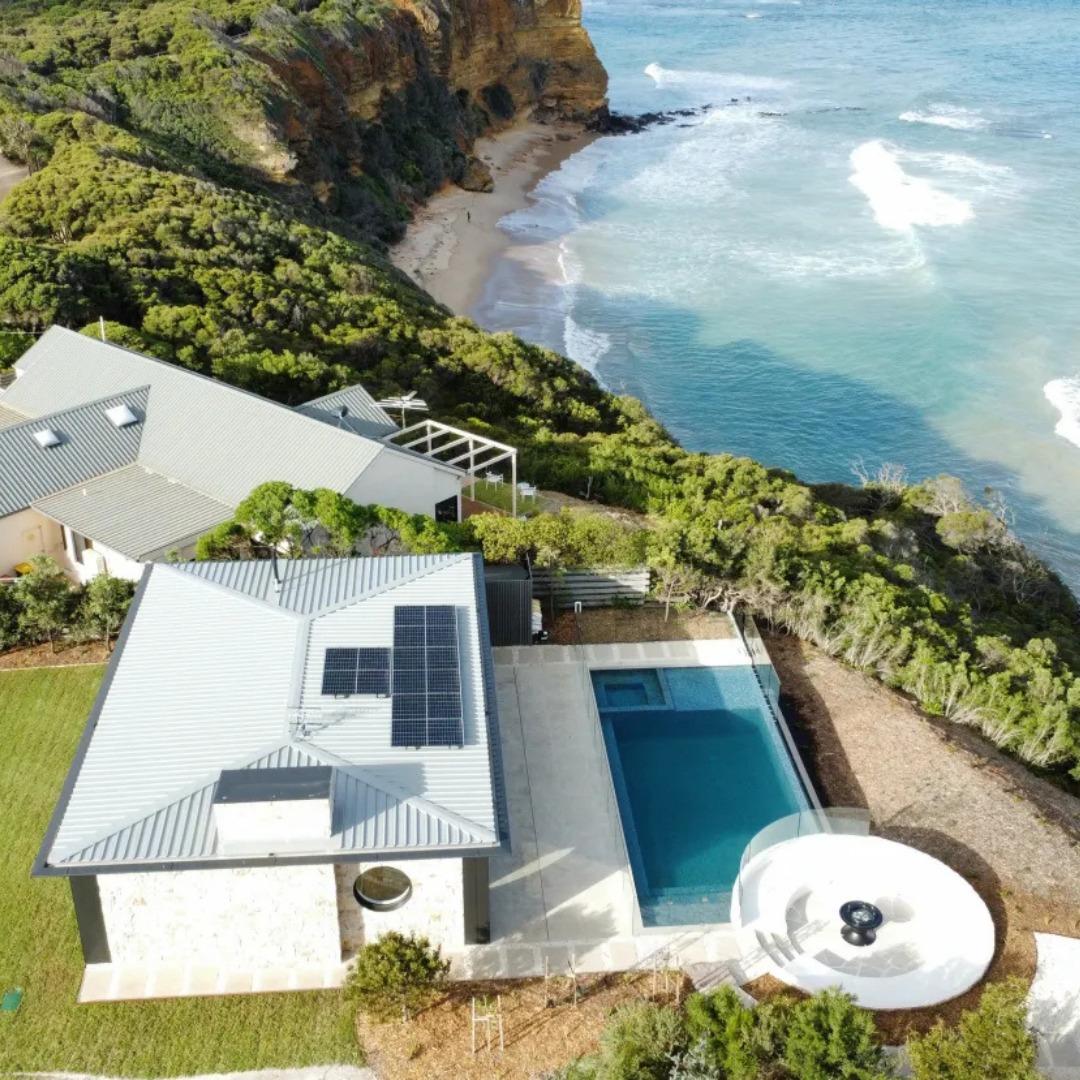
Switching your business to solar energy represents a significant investment that can deliver decades of savings and sustainability benefits. However, the success of your commercial solar project depends heavily on choosing the right service provider. The wrong choice can lead to poor system performance, unexpected costs, and frustrating service gaps. Ask these seven critical questions to find a provider who will truly partner with your business for the long term.
1. How Many Commercial Projects Have You Completed in Our Industry?
Your business has unique energy needs that differ from residential properties and even other commercial sectors. You need a provider who understands these specific requirements.
Ask potential providers to share their portfolio of commercial installations similar to yours. A warehouse operation requires different solutions than a retail storefront or medical facility. Providers who regularly work in your industry will anticipate challenges before they arise and design systems that align with your operational patterns.
Request references from at least three businesses similar to yours. Call these references and ask about their experience, system performance, and ongoing service quality. This firsthand insight reveals how providers perform after they've collected their payment.
2. Which Certifications Does Your Team Hold?
Credentials separate professional solar installers from amateurs who might cut corners or lack technical expertise.
Look for providers whose technicians hold NABCEP certification—the gold standard in solar installation training. Verify that they maintain current electrical contractor licenses in your state. Check whether they carry manufacturer certifications from major equipment brands, which requires ongoing training and quality standards compliance.
Also confirm they maintain comprehensive insurance coverage. Your provider should carry both general liability and workers' compensation insurance to protect your business from potential accidents or property damage during installation.
3. What Equipment Brands Will You Install on Our Property?
Solar equipment quality directly impacts your system's efficiency, durability, and return on investment. Providers should install tier-one solar panels from established manufacturers with proven track records.
Ask why they recommend specific brands for your project. Quality providers will explain the technical advantages of their chosen equipment and how it suits your building's characteristics and energy goals. They should discuss panel efficiency ratings, inverter reliability, and mounting system durability.
Beware of providers who push unfamiliar brands simply because they offer higher profit margins. Your system will operate for 25-30 years—you need equipment built to last.
4. What Services Do You Include from Start to Finish?
Some providers offer turnkey solutions while others leave critical tasks for you to handle. You need to understand exactly what your contract includes.
A comprehensive service package should cover initial site assessment, system design, engineering, all permits and applications, professional installation, inspections, utility interconnection, and system commissioning. Your provider should train your staff on system operation and monitoring.
Get everything in writing. Verbal promises mean nothing if problems arise later. A detailed contract protects both parties and prevents misunderstandings about who handles which responsibilities.
5. How Will You Support Our System After Installation?
Solar panels require minimal maintenance, but they do need occasional attention to maintain peak performance. You also need reliable support when issues occur.
Discuss warranty coverage in detail. Quality solar panels typically carry 25-year performance warranties, while inverters offer 10-25 years of coverage. Installation workmanship should include at least a 5-10 year warranty. Understand what each warranty covers and what it excludes.
Ask about maintenance service packages. Many providers offer monitoring services that track system performance and alert you to potential issues before they impact production. Inquire about their response time for service calls and whether they stock replacement parts locally.
6. Who Manages Permits, Inspections, and Utility Coordination?
Commercial solar installations require multiple permits, inspections, and utility approvals. These bureaucratic requirements can derail projects if not handled properly.
Your provider should manage all permitting requirements, including building permits, electrical permits, and any special zoning approvals your municipality requires. They should coordinate all necessary inspections and handle utility interconnection applications on your behalf.
This administrative management keeps your project on schedule and ensures compliance with all regulations. Providers who expect you to handle these tasks yourself add unnecessary burden to your team and increase the risk of costly delays.
7. Can You Provide Detailed Financial Projections?
Understanding the complete financial picture helps you make an informed investment decision. Your provider should present transparent, realistic financial analysis.
Request itemized cost breakdowns showing equipment expenses, installation labor, permits and fees, and any additional charges. Ask for energy production estimates based on your specific location, roof orientation, and shading conditions. Review projected utility savings over multiple timeframes—typically 5, 10, and 25 years.
Discuss available financing options including cash purchase, solar loans, leases, and power purchase agreements. Your provider should explain tax incentives, rebates, and depreciation benefits you can claim. They should present honest ROI timelines without exaggerating savings to close the sale.
Making Your Decision
After interviewing multiple providers, compare their responses to these seven questions. The right provider demonstrates relevant experience, maintains proper credentials, uses quality equipment, offers comprehensive service, handles administrative requirements, and provides transparent financial analysis.
Trust your instincts. Choose a provider who communicates clearly, answers questions thoroughly, and treats your business goals with respect. You're selecting a partner for the next 25-plus years—make sure they'll deliver both excellent installation and reliable ongoing support.
Your commercial solar investment deserves a provider who combines technical expertise with exceptional service. Ask these seven questions and you'll find the right partner to power your business sustainably and profitably for decades to come.

 English
 Arabic
 Español
 Português
 Deutsch
 Türkçe
 Dutch
Dutch
 Italiano
 Russian
 Romaian