


From Plastic to Biodegradable: Exploring Mulch Film Replacement Options
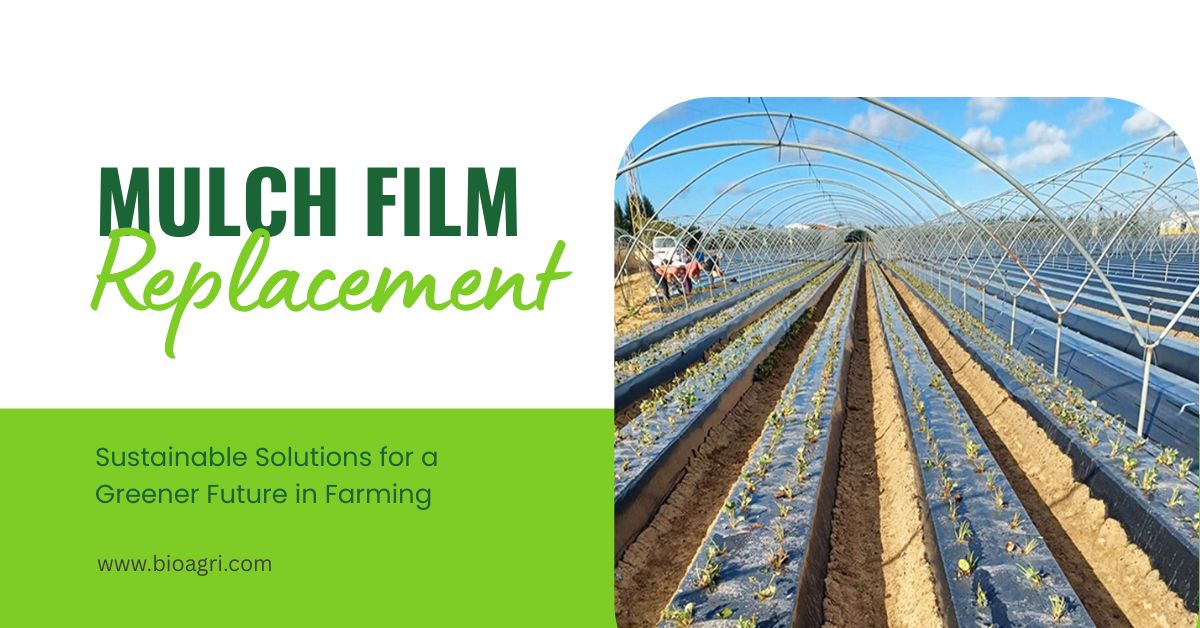
In recent years, farmers worldwide have faced increasing pressure to adopt sustainable farming practices that not only boost productivity but also protect the environment. One area where significant change is taking place is in the use of mulch films. Traditionally, plastic mulch films have been used to cover the soil around crops, helping to retain moisture, control weeds, and regulate temperature. However, the environmental impact of plastic waste is becoming a major concern, prompting many farmers to explore mulch film replacement options, particularly biodegradable alternatives.
What is Mulch Film and Why is it Used in Agriculture?
Mulch film is a thin plastic layer placed over the soil to provide multiple benefits for crops. It helps maintain optimal soil temperature, conserves water by reducing evaporation, and suppresses weed growth by blocking sunlight. For many crops, such as strawberries, tomatoes, and vegetables, plastic mulch films are commonly used to increase efficiency and yield.
Despite its effectiveness, the widespread use of plastic mulch film comes with significant environmental drawbacks. Once the mulch film has fulfilled its purpose, it often ends up as waste. Traditional plastic mulch is difficult to recycle, and its decomposition can take hundreds of years. Consequently, farmers have begun looking for mulch film replacement options that are both effective and environmentally friendly.
The Environmental Impact of Plastic Mulch Films
The environmental consequences of plastic mulch are troubling. Every year, large amounts of plastic are used in farming, much of which ends up in landfills or as litter in the environment. Unlike other forms of plastic waste, mulch films are not easily recyclable due to their composition and contamination with soil and organic matter. As a result, these films contribute to the growing issue of plastic pollution, which threatens local wildlife and ecosystems. Additionally, when plastic mulch breaks down in the environment, it can release toxic chemicals into the soil and water, further harming the surrounding habitat.
As the agricultural sector grapples with this issue, the need for sustainable alternatives has never been more urgent. This is where mulch film replacement options, particularly biodegradable and certified compostable films, come into play.
The Rise of Biodegradable Mulch Film
In response to the environmental concerns of plastic mulch, biodegradable mulch films have emerged as a viable alternative. A biodegradable mulch film is designed to break down naturally into non-toxic substances, leaving no harmful residue behind. Made from materials such as starches, plant-based polymers, and natural fibres, biodegradable mulch films offer similar benefits to traditional plastic mulch—such as water retention, temperature regulation, and weed control—but with the added advantage of being environmentally friendly.
Unlike plastic films, biodegradable options decompose over time, enriching the soil as they break down. This means that farmers who adopt biodegradable mulch films do not need to worry about collecting and disposing of the material once the growing season is over. Instead, they can rely on the natural breakdown process, which ultimately reduces waste and enhances soil fertility.
One popular form of biodegradable mulch is certified compostable film, which meets strict standards for composting and can break down in industrial composting facilities. These films are made from renewable plant materials like corn starch and sugarcane, and their decomposition rate is much faster than that of traditional biodegradable plastics. The adoption of compostable films is expected to grow as more farmers seek to reduce their environmental footprint.
Types of Biodegradable Mulch Film Replacements
As demand for sustainable farming practices increases, various types of biodegradable mulch films are now available. Each has its unique advantages, depending on the specific needs of the farmer and the crops being grown.
- Compostable Mulch Films: These films, often made from plant-based materials such as corn starch, sugarcane, or other renewable resources, break down into organic compounds that contribute to soil health. Their rapid decomposition is an advantage, especially for farmers who want to reduce the time and effort spent on waste disposal.
- Paper Mulch: Made from recycled paper, this type of mulch film is an excellent choice for organic farming. It decomposes naturally, adding organic matter to the soil, but may not provide the same level of durability or moisture retention as plastic alternatives. However, it is still a solid choice for certain crops and farming conditions.
- Bioplastic Mulch Films: These films are made from renewable resources like algae or cornstarch and offer a similar level of performance to plastic mulch. They are more environmentally friendly because they decompose naturally, but they still provide the same weed control, moisture retention, and temperature regulation benefits as plastic.
- Natural Fibre Mulch Films: Mulch made from natural fibres such as jute, hemp, or cotton is also biodegradable and sustainable. These films can provide a protective layer for crops while slowly decomposing, leaving behind nutrients for the soil.
Advantages of Biodegradable Mulch Films in Agriculture
Switching to a mulch film replacement that is biodegradable offers numerous benefits for farmers, especially in terms of environmental sustainability and long-term farm productivity. Here are some key advantages:
- Reduced Plastic Waste: The most obvious benefit of biodegradable mulch films is their reduced environmental impact. By replacing plastic mulch with biodegradable alternatives, farmers can significantly decrease the amount of plastic waste generated by their operations. This aligns with the growing demand for sustainability in agriculture, which is becoming increasingly important to both consumers and regulators.
- Soil Health Improvement: Many biodegradable mulch films decompose into organic matter, which enriches the soil with valuable nutrients. This process helps maintain soil health over time, reducing the need for synthetic fertilisers and improving the overall quality of the soil for future crops.
- Increased Crop Productivity: As biodegradable mulch films help retain moisture and regulate temperature, crops are better protected from environmental stress, leading to healthier plants and potentially higher yields. The films also suppress weed growth, reducing competition for nutrients and water.
- Cost-Effectiveness in the Long Run: While biodegradable films may have a higher upfront cost compared to plastic mulch, the long-term benefits—such as improved soil quality, reduced disposal costs, and less need for chemical inputs—can offset the initial investment. In the long term, these alternatives may prove to be more cost-effective for farmers looking to improve their sustainability practices.
Challenges and Considerations for Transitioning to Biodegradable Mulch Films
While the benefits are clear, there are some challenges associated with switching to biodegradable mulch films. The initial cost is often higher than plastic alternatives, and the performance can vary depending on the specific environmental conditions. Factors such as temperature, moisture, and soil type can influence how quickly the mulch breaks down and how well it performs during the growing season. Farmers may need to experiment with different types of biodegradable films to find the most effective solution for their crops.
Conclusion
As the agricultural sector moves towards more sustainable practices, the shift from plastic to biodegradable mulch films is a key step in reducing the environmental footprint of farming. Mulch film replacement options offer farmers a way to maintain high crop yields while also improving soil health and reducing plastic waste. While challenges remain, the growing availability of biodegradable and certified compostable films makes this a promising alternative for farmers looking to invest in a more sustainable future. By adopting these eco-friendly alternatives, farmers can help pave the way for a more sustainable agricultural industry that benefits both the environment and the economy.

 English
 Arabic
 Français
 Português
 Deutsch
 Türkçe
 Dutch
Dutch
 Italiano
 Russian
 Romaian