


The Future of Link Building: Human Creativity Meets AI Automation
Introduction
Search engine optimization (SEO) continues to evolve at lightning speed. Among all its elements, link building remains one of the most critical and challenging strategies. Backlinks serve as the backbone of a website’s authority and visibility, but the way we build them is undergoing a massive transformation.
The integration of artificial intelligence (AI) into SEO is redefining the way digital marketers, agencies, and content strategists approach link acquisition. While automation and AI-driven tools can perform tasks faster and more efficiently, human creativity continues to be the heart of building genuine, high-value connections.
This article explores how AI is transforming link building, why human input still matters, and how businesses can strike the perfect balance between innovation and authenticity.
1. Understanding the Role of AI in Modern Link Building
AI technology has moved beyond simple automation — it now helps identify link opportunities, analyze backlink profiles, and even predict which outreach efforts will succeed.
AI algorithms can crawl massive amounts of data to identify websites with strong authority and niche relevance, eliminating the manual effort once required for prospecting.
Tools powered by machine learning analyze keyword relevance, domain metrics, and audience alignment, helping marketers build smarter outreach campaigns. This data-driven precision saves time and ensures higher success rates when pitching guest posts or content collaborations.
2. The Rise of Predictive Link-Building Models
Predictive analytics is one of AI’s most powerful contributions to SEO. With it, marketers can forecast which websites are most likely to accept backlinks based on past behavior, content type, and engagement trends.
For instance, AI can recognize that a particular technology blog often links to long-form tutorials. Instead of random outreach, it enables personalized, intent-driven communication — improving placement rates and building lasting publisher relationships.
3. Automating Tedious Link-Building Tasks
In traditional SEO, link building often involves repetitive processes like prospecting, email outreach, and follow-ups. AI-powered platforms such as BuzzStream, Pitchbox, and Respona now handle these processes automatically.
They personalize emails, manage responses, and track performance — all while maintaining human-like engagement. However, AI can’t fully replace human judgment; it still requires marketers to craft unique, relevant, and valuable content that aligns with publisher standards.
4. The Human Touch: Creativity That Machines Can’t Replicate
AI can find opportunities, but it can’t build relationships. Human creativity is what transforms a link request into a genuine collaboration. The ability to understand tone, culture, and emotional resonance is something algorithms simply don’t possess.
Successful link building often depends on storytelling — crafting content that adds real value to the host website’s audience. Humans can intuitively adapt, innovate, and personalize messages in ways machines cannot.
Marketers who blend data-driven AI insights with empathetic communication are achieving the best results.
5. AI-Enhanced Content Creation for Link-Building Campaigns
Content remains at the heart of every link-building strategy. AI tools such as ChatGPT and Jasper help generate ideas, outlines, and drafts faster than ever before. But human editors refine this content to ensure authenticity, depth, and brand consistency.The most effective link-building campaigns use AI to enhance productivity while maintaining a human editorial voice. This hybrid approach guarantees both efficiency and creativity — two qualities that search engines and audiences value equally.
6. Local and Regional SEO Strategies
Local SEO continues to be an important aspect of modern link building. Businesses competing in regional markets rely heavily on locally relevant backlinks to dominate search rankings.
For example, advanced regional strategies such as those seen in https://rankandscale.com/locations/new-jersey-seo/ demonstrate how AI-driven link building adapts to competitive local environments.
AI tools can pinpoint local directories, city-specific blogs, and community news sites that provide strong contextual backlinks — giving local businesses an authoritative edge in location-based search results.
7. Data-Driven Outreach and Relationship Building
AI doesn’t just help find link opportunities — it helps personalize outreach messages at scale. Natural Language Processing (NLP) algorithms analyze previous communications and audience behavior to tailor follow-ups that feel authentic.
When combined with human oversight, this creates outreach campaigns that feel genuinely personal rather than automated spam.
Building relationships through authentic value — such as offering insights, collaborations, or data-driven reports — ensures lasting partnerships rather than one-off backlinks.
8. Measuring Success with AI-Powered Analytics
AI tools provide deep analytical insights into how backlinks influence traffic, keyword ranking, and authority. Platforms like Ahrefs, Semrush, and Moz now use AI-driven metrics to track link quality, anchor text diversity, and referral patterns.
These analytics reveal not just how many links you earn but how effective they are. This allows marketers to focus their efforts on strategies that produce tangible results — improving ROI and campaign efficiency.
9. Ethical Considerations in AI-Based Link Building
While AI offers immense advantages, it must be used responsibly. Over-automation can lead to spammy link profiles, duplicate content, or irrelevant placements that harm SEO performance.
Ethical link building means respecting publisher guidelines, producing real value, and avoiding manipulative tactics.
Google’s algorithms increasingly reward authentic engagement and content relevance, while penalizing black-hat methods or AI-generated spam.
Thus, every marketer must maintain transparency and human oversight when deploying AI tools.
10. The Future: Synergy Between Humans and Machines
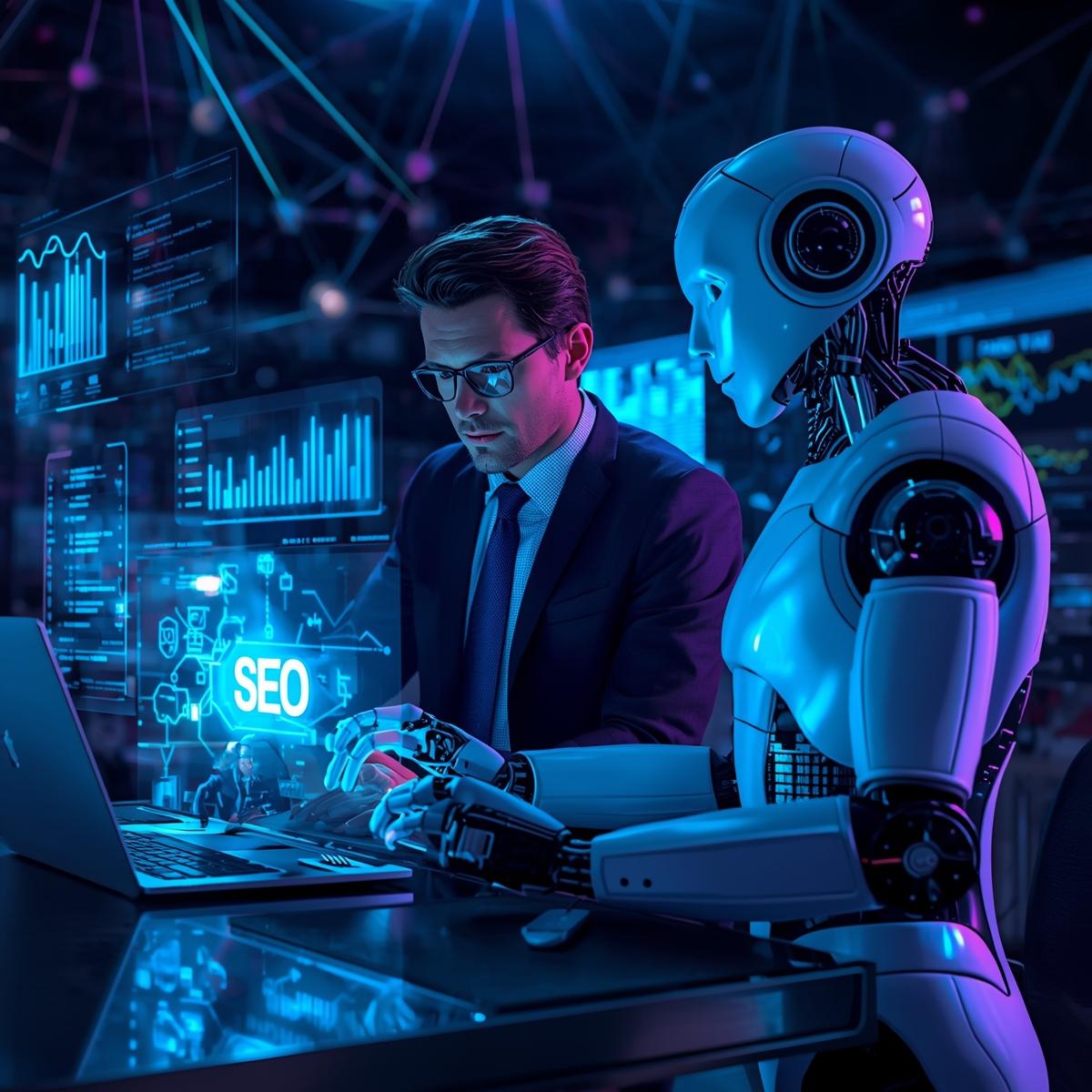
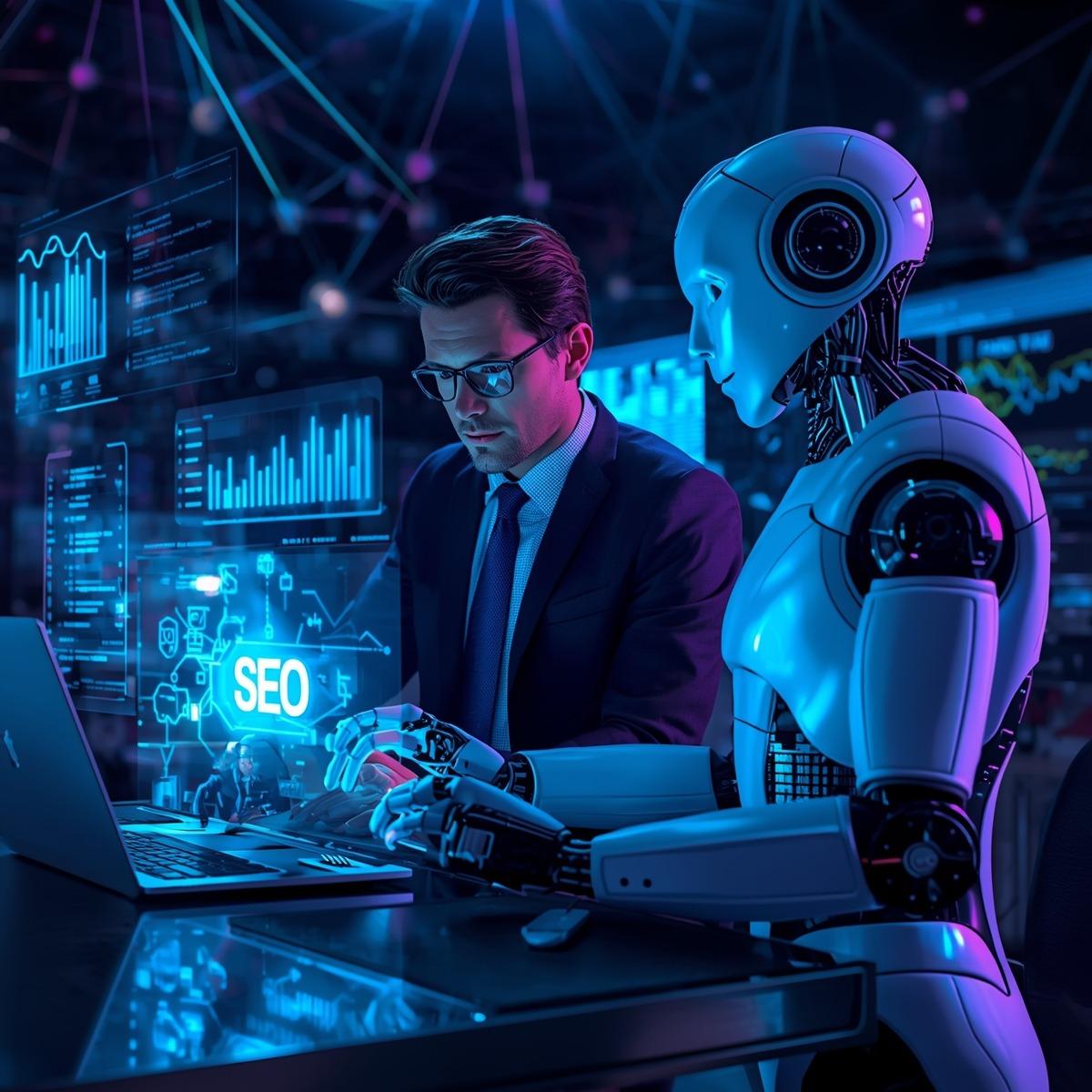
The future of link building isn’t about choosing between humans or AI — it’s about merging the strengths of both.
AI brings efficiency, scale, and precision; humans bring intuition, creativity, and emotional intelligence.
Forward-thinking SEO professionals are already experimenting with hybrid workflows — where AI handles research and pattern recognition, and humans refine strategy and relationship-building.
This balance ensures quality backlinks, ethical SEO, and sustainable growth.
11. Real-World Case Studies and Future Trends
Several marketing agencies have already achieved remarkable results using AI-assisted link building. From automating outreach lists to analyzing competitors’ backlink profiles, AI has saved time and improved placement accuracy.
However, the most successful campaigns are those where human experts guide the AI — setting the tone, crafting narratives, and ensuring brand authenticity.
The coming years will likely see even greater integration, with AI predicting trends and humans turning those insights into meaningful connections.
12. Conclusion
As AI continues to evolve, it will keep transforming how marketers approach link building. Yet, the core principle remains unchanged — meaningful connections matter more than numbers.
When AI automation meets human creativity, the result is a sustainable, ethical, and powerful SEO strategy that delivers long-term growth.
Businesses that embrace this hybrid model today will lead the digital landscape of tomorrow, standing out in both global and local markets alike.

 English
 Arabic
 Français
 Español
 Português
 Deutsch
 Türkçe
 Italiano
 Russian
 Romaian