


How to Capture Sharp Images Indoors Without Natural Light
How to Capture Sharp Images Indoors Without Natural Light
Indoor photography presents a unique set of challenges, especially when the environment lacks natural light. Whether you are shooting portraits, products, or creative social content, maintaining image sharpness becomes a top priority. Many photographers in Pakistan work in controlled environments—studios, offices, apartments, or dedicated creative spaces—where natural light simply isn’t available. In such conditions, knowing how to achieve sharp, clean, and properly exposed images makes all the difference.
Sharp images depend on a combination of technique, lighting control, camera settings, and understanding how your equipment behaves in low-light scenarios. Even in professional settings such as a podcast studio or small production room, where creators often use a podcast studio for rent for multipurpose shooting, sharp photos require careful planning and precise control over artificial light. This guide explores the best methods to capture crisp indoor photographs without relying on daylight.
Understanding Why Indoor Images Often Lose Sharpness
Indoor spaces usually lack sufficient contrast, consistent illumination, and directional light sources. Without sunlight, cameras struggle with slower shutter speeds, higher ISO, and increased noise. Many beginners assume that simply increasing exposure will fix the issue, but sharpness is influenced by stability, focus accuracy, light quality, and lens characteristics.
Low-light environments also force your camera to hunt for focus, resulting in softer images or motion blur. This is common in content creation rooms, small studios, and setups designed for activities like podcast recording in lahore, where lighting is optimized for video but may need adjustments for photography.
Controlling Artificial Light for Maximum Sharpness
The first and most important factor in indoor sharpness is lighting. Artificial lights allow you to create a studio-like look, even in a small room. LED panels, strobes, and softboxes are essential tools. Continuous LED panels provide consistent brightness, which helps your camera focus easily. Strobes and flashes produce high-intensity bursts of light that freeze motion, making them excellent for portraits and product photography.
The direction of light also matters. Side lighting adds depth and texture, while overhead lighting helps define shapes. Use diffusers to soften harsh lights and prevent overly bright reflections. A well-lit indoor scene always results in sharper images because the camera can use faster shutter speeds and lower ISO settings.
Mastering the Right Camera Settings Indoors
Camera settings determine how much detail your image retains. Start with your shutter speed. The rule of thumb is to use a shutter speed faster than your focal length. For example, with an 85mm lens, shoot above 1/100s. This prevents motion blur from both the subject and your hands.
Aperture plays a key role in depth of field. Shooting wide open, such as f/1.4, may cause parts of the subject to fall out of focus. For indoor sharpness, apertures between f/2.8 and f/5.6 often give the best balance of light and detail.
ISO should be kept as low as possible. Higher ISO increases digital noise, reducing clarity. However, modern cameras handle ISO remarkably well, so don’t hesitate to use ISO 800 or 1600 if your lighting setup supports it.
Choosing the Right Lens for Indoor Photography
Lens sharpness varies significantly based on focal length and build quality. Prime lenses, such as 50mm or 85mm, tend to perform better in low-light environments because of their wider apertures. Their optical construction delivers crisp details even at lower light levels.
Zoom lenses are versatile, but they may require more light to produce equally sharp results. If you're working in tight indoor spaces, like a small content studio or multi-purpose creative room, a 35mm or 50mm lens is often the most practical choice.
Using Tripods and Stabilization for Crisp Photos
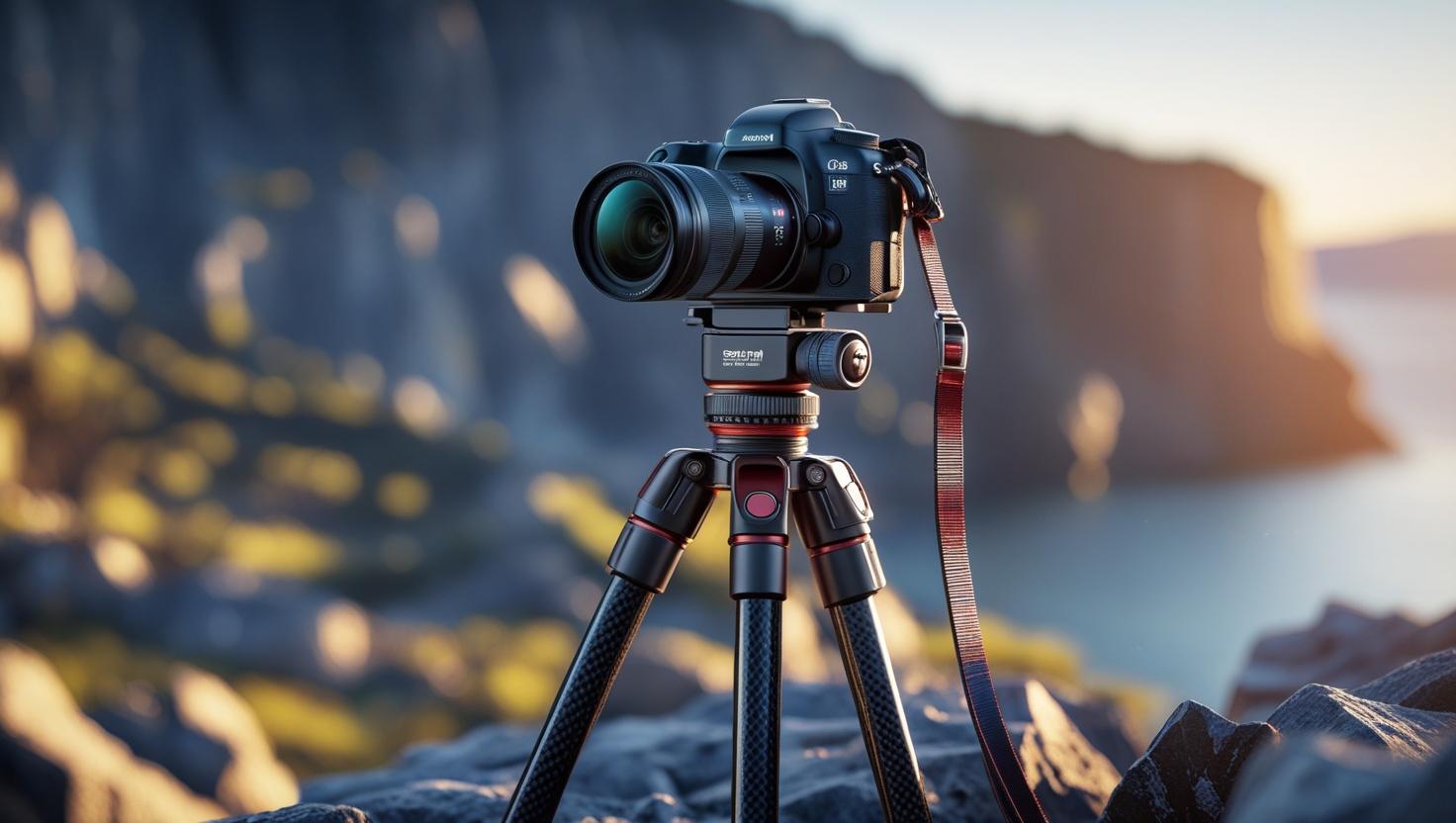
In low-light situations where slower shutter speeds are unavoidable, a tripod becomes your best tool. It stabilizes your camera, eliminating hand shake. Tripods are especially useful for product photography, long exposures, and staged portraits.
Image stabilization, available in many modern lenses and camera bodies, also helps reduce motion blur. Although stabilization shouldn’t replace proper technique, it adds a layer of security when shooting handheld.
Locking Your Focus for Maximum Accuracy
Autofocus may struggle indoors because cameras rely on contrast to detect sharp edges. When contrast is low, the camera “hunts” for focus. To avoid this, use single-point autofocus and focus on a high-contrast element such as the eyes in portrait work.
Focus peaking, available in mirrorless cameras, is an excellent tool for manual focus. It highlights edge details, allowing you to adjust focus precisely in low-light scenes.
Improving Sharpness With Light Modifiers
Light modifiers allow you to direct and soften light for crisp results. Softboxes create even, flattering illumination. Reflectors bounce light back onto the subject, filling shadows and enhancing clarity. Grids help control the direction of light, preventing spill and keeping contrast strong.
Even a small space becomes highly effective with the right modifiers. That’s why well-designed studios and creative environments emphasize lighting accessories as much as they do cameras and lenses.
Creating a Clean Indoor Setup for Sharper Images
Indoor clutter can introduce distractions that affect your overall composition. Clean backgrounds help the subject stand out, making the image appear sharper and more professional. Keep your environment organized, avoid shiny or reflective surfaces, and position your light sources strategically.
This applies whether you’re shooting in your home studio, a rented content space, or a professional environment. A clean setup enhances the perception of sharpness even before technical adjustments are made.
Taking Advantage of Light Angles and Subject Positioning
Light direction affects how sharp your subject appears. Side lighting emphasizes texture and detail, making it ideal for portrait and product photography. Backlighting adds depth but can soften edges, so pair it with a front fill light for balanced sharpness.
Position your subject at least a few feet away from the background. This helps avoid shadows falling directly behind them and keeps the focus crisp. Small adjustments in position often make a dramatic difference in image clarity.
Using In-Camera Tools to Enhance Sharpness
Most cameras offer built-in tools designed to aid sharpness. Live View magnification helps you inspect details before capturing the shot. Focus confirmation beeps and indicators guide accurate focusing. Some mirrorless systems offer real-time sharpness previews.
Take advantage of these tools to refine your focus and ensure your subjects appear as detailed as possible.
Post-Processing Techniques That Enhance Sharpness
Even with excellent lighting and technique, refining your images in post-processing is essential. Sharpening tools in Lightroom or Photoshop enhance small details without overdoing the effect. Use clarity, texture, and dehaze carefully to bring out edges while keeping the image natural.
Noise reduction tools help smooth out grain from higher ISO levels. The key is balance: over-sharpening can cause halos and artifacts, while too much noise reduction can make the image look soft.
Summary Checklist for Capturing Sharp Indoor Images
Use bright artificial lighting
Keep shutter speed fast
Use mid-range apertures
Keep ISO as low as possible
Stabilize your camera with a tripod
Use accurate focusing techniques
Refine sharpness during editing
Conclusion
Capturing sharp images indoors without natural light requires a combination of lighting control, smart camera settings, and sound technique. Once you understand how artificial light interacts with your lens and camera, indoor photography becomes a creative playground. Professional environments like Delenzo Studio are designed to support creators who need reliable lighting and controlled spaces, making the process much smoother.
With the right approach, every photographer—whether working on portraits, products, or creative projects—can achieve crisp, professional indoor images even when natural light isn’t available.

 Arabic
 Français
 Español
 Português
 Deutsch
 Türkçe
 Dutch
Dutch
 Italiano
 Russian
 Romaian