


10 Principles of Infection Control: Essential Safety Practices Every Family Should Follow
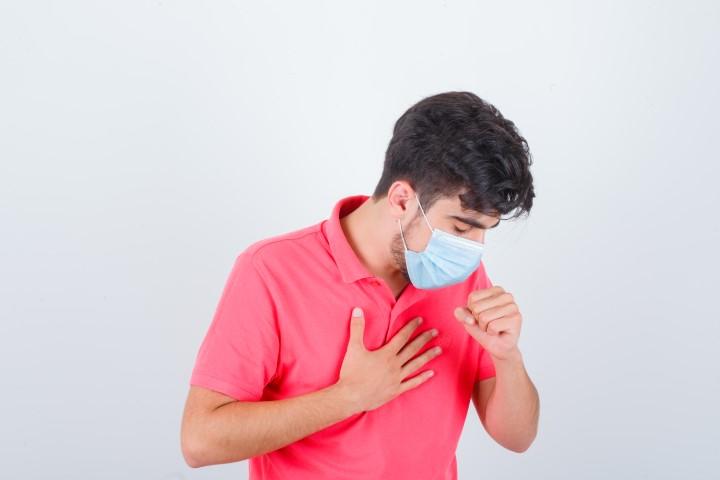
Infections spread quickly — at home, in schools, at workplaces, and even during normal daily activities. The last several years have shown how important it is to understand basic infection control practices that keep families safe. The 10 Principles of Infection Control are not just for hospitals; they are essential guidelines that every American household can follow to prevent illnesses like flu, RSV, viral infections, bacterial infections, gastrointestinal illnesses, and more.
Small steps such as proper handwashing, cleaning high-touch surfaces, and recognizing symptoms early can significantly reduce health risks. And when symptoms become severe, prompt medical evaluation is important. For urgent concerns, families in Texas can always turn to Frisco ER, a 24/7 emergency room offering fast infection and illness treatment:
This blog breaks down each of the 10 essential infection control principles in a simple, practical way to help you protect your family year-round.
1. Hand Hygiene: The #1 Way to Prevent Infections
Handwashing is the most effective way to stop germs from spreading. Many common infections — including colds, flu, RSV, stomach bugs, and even skin infections — spread through contact.
How to Wash Hands Properly
-
Wet hands with warm water
-
Apply soap and scrub for 20 seconds
-
Clean between fingers and under nails
-
Rinse and dry completely
When Families Should Wash Hands More Often
-
After returning home from public places
-
After coughing, sneezing, or touching the face
-
Before preparing food or eating
-
After handling trash or laundry
American households that practice strong hand hygiene have significantly lower infection rates.
2. Use Personal Protective Equipment (PPE) When Needed
Masks, gloves, and protective barriers are not just for medical staff. During flu season, when someone at home is sick, or when exposed to high-risk environments, PPE helps reduce transmission.
When Households Should Consider PPE
-
Caring for a sick family member
-
When someone has a fever, cough, or active infection
-
During severe flu, RSV, or COVID outbreaks
PPE acts as a protective shield, especially for babies, seniors, and immunocompromised individuals.
3. Respiratory Hygiene & Cough Etiquette
Airborne germs spread fast, especially indoors. Good respiratory hygiene prevents viruses from traveling through droplets.
Teach Every Family Member to:
-
Cover their mouth with their elbow when coughing
-
Use tissues and throw them away immediately
-
Wash hands after coughing or sneezing
-
Wear a mask if sick or around someone ill
These small steps dramatically reduce airborne infection risks at home and in public.
4. Routine Cleaning & Disinfection of High-Touch Surfaces
Surfaces like door handles, phones, countertops, and remotes collect germs that can survive for hours — sometimes days.
High-Touch Surfaces to Disinfect Daily
-
Phones and tablets
-
Door knobs
-
Light switches
-
Kitchen counters
-
Bathroom faucets
-
TV remotes
Use EPA-approved disinfectants to kill bacteria and viruses. This practice is especially important during cold and flu season.
5. Safe Food Handling & Kitchen Hygiene
Foodborne infections affect millions of people in the US every year. Proper kitchen habits are essential infection control steps.
Food Safety Rules
-
Wash hands before handling food
-
Separate raw meat from cooked food
-
Cook meats thoroughly
-
Refrigerate leftovers quickly
-
Avoid cross-contamination
Food safety helps prevent stomach infections such as Salmonella and E. coli.
6. Safe Handling of Laundry, Linens & Household Waste
Dirty laundry — especially from sick individuals — can carry bacteria, viruses, and allergens. Proper handling prevents cross-contamination.
Laundry Safety Tips
-
Wash clothes, towels, and bedding in hot water
-
Wear disposable gloves when dealing with contaminated linens
-
Sanitize hampers and laundry baskets regularly
-
Use detergent with antimicrobial properties
Proper disposal of waste, like used tissues or medical supplies, keeps households safe and clean.
7. Isolation of Sick Individuals in the Household
One of the most effective principles of infection control is isolating sick family members until symptoms improve.
How to Practice At-Home Isolation
-
Keep the sick person in a separate room
-
Use a dedicated bathroom if possible
-
Minimize shared items
-
Use masks when interacting
-
Increase ventilation in the home
When Symptoms Worsen
Fever, vomiting, breathing difficulty, ear pain, or worsening illness requires fast medical care.
8. Vaccination Awareness & Protection
Vaccination is one of the most reliable infection control principles recognized worldwide.
Recommended Vaccines for Families
-
Flu vaccine
-
COVID-19 vaccines
-
Tetanus & booster shots
-
Pneumonia vaccines for seniors
-
RSV immunization for infants (when recommended)
Vaccination protects individuals and prevents widespread outbreaks.
9. Early Detection & Symptom Monitoring
Recognizing symptoms early helps families seek care before infections worsen. Delayed treatment can lead to complications — especially in children, older adults, and those with weakened immunity.
Common Symptoms to Watch For
-
High or persistent fever
-
Severe sore throat
-
Ear pain
-
Lung congestion or difficulty breathing
-
Vomiting or dehydration
-
Skin infections or rashes
If a child has high fever, ear infection symptoms, viral illness, or sudden discomfort, immediate evaluation is recommended.
Pediatric Emergency Care
When Adults Should Seek Help
-
Shortness of breath
-
Chest discomfort
-
Continuous fever
-
Sudden weakness
-
Confusion or dizziness
Prompt care reduces risk and improves outcomes.
10. Access to Fast & Reliable Medical Care
One of the most important principles of infection control is knowing when to seek medical attention.
Visit Your Local ER If You Experience:
-
Severe fever
-
Uncontrollable vomiting
-
Signs of dehydration
-
Breathing difficulties
-
Ear infections with intense pain
-
Flu or RSV symptoms that worsen
-
Painful skin infections or abscesses
Immediate care helps prevent complications.
At Frisco ER, families receive fast treatment with on-site labs, imaging, hydration therapy, infection care, and emergency evaluation.
👉 Lab Testing & Diagnostics
How Frisco ER Supports Families With Infection Control & Emergency Treatment
Frisco ER is designed for fast, no-wait emergency care. Whether a child develops a sudden fever, an adult experiences symptoms of infection, or a family member shows signs of flu or RSV, immediate evaluation is available 24/7.
Services That Help With Infection Care:
-
Rapid lab tests for viruses and bacterial infections
-
Emergency fever treatment
-
Hydration therapy for dehydration
-
Pediatric emergency care
-
Injury and illness care
-
On-site imaging
-
Medication and antibiotic treatment
Frisco ER provides safe and comfortable medical care for both adults and children.
Why Infection Control Should Be a Priority for Every US Household
Whether you live in a busy city or a quiet suburban community, infections spread through daily interactions. Following the 10 Principles of Infection Control helps lower the risk of:
-
Flu and RSV
-
Common colds
-
COVID-19
-
Stomach viruses
-
Ear infections
-
Skin infections
-
Respiratory illnesses
With good hygiene, early detection, and proper medical support, families can stay healthier and avoid emergency situations.
Conclusion
The 10 Principles of Infection Control are simple, effective steps that every American family can apply at home. From hand hygiene and surface disinfection to proper food safety and early symptom recognition, these practices offer powerful protection against everyday infections.
When symptoms become severe — high fever, persistent pain, dehydration, difficulty breathing, or sudden illness — it’s important to seek prompt care. Frisco ER is available 24/7 with no wait time, offering expert emergency treatment for all types of infections and illnesses.
Need Fast, Reliable Care for Infection Symptoms?
Visit Frisco ER for immediate evaluation and treatment.
Open 24/7. No wait. Walk-ins welcome.
👉 Home: https://frisco-er.com/
👉 Our Services: https://frisco-er.com/emergency-services-in-frisco/
👉 Pediatric Emergency Care: https://frisco-er.com/pediatric-emergency-care/

 English
 Arabic
 Français
 Español
 Deutsch
 Türkçe
 Dutch
Dutch
 Italiano
 Russian
 Romaian