


The Complete Guide to Sustainable Marketing: Importance, Principles, and Key Models
1. What Is Sustainable Marketing?
Sustainable marketing is a long-term, value-driven approach where brands promote products, services, or practices that are socially responsible, environmentally friendly, and economically viable.
Instead of focusing only on short-term profits, sustainable marketing considers people, planet, and profit—the triple bottom line. It ensures that marketing efforts create value without harming society or the environment.
In simple terms:
Sustainable marketing = doing good while doing business.
2. Why Is Sustainable Marketing Important?
Sustainable marketing matters today more than ever. Here’s why:
a) Rising Conscious Consumerism
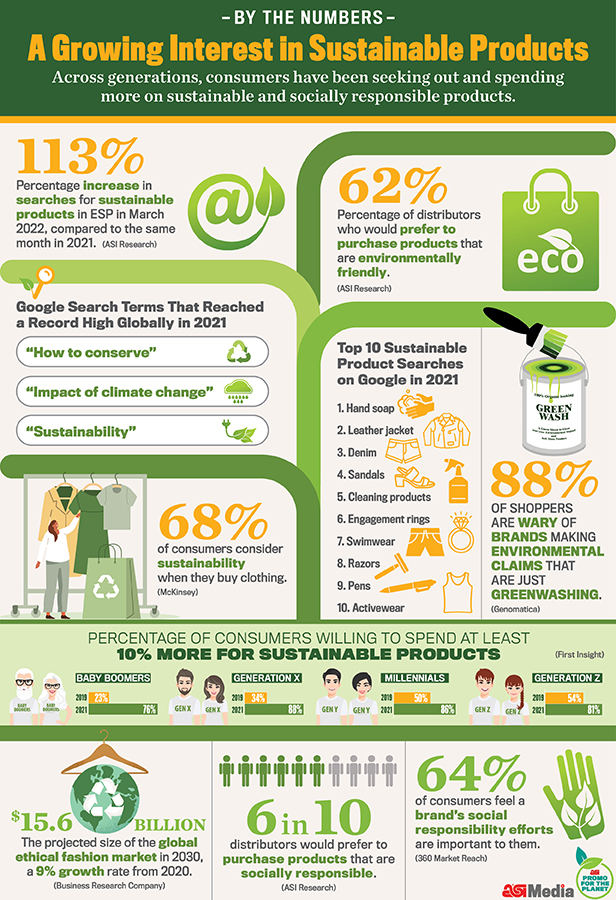
Customers increasingly prefer brands that care about the environment, ethics, and transparency. Sustainable marketing helps businesses align with these expectations.
b) Long-Term Brand Trust
Brands that practice sustainability become more authentic and trustworthy. Trust leads to loyalty, advocacy, and stronger brand reputation.
c) Competitive Advantage
Sustainable brands stand out in a crowded market. Unique eco-friendly and ethical positioning makes them memorable.
d) Cost Savings & Operational Efficiency
Sustainable practices often reduce waste, energy use, and inefficiencies—saving money in the long run.
e) Regulatory & Compliance Benefits
Governments worldwide are introducing sustainability regulations. Brands that adapt early stay compliant and future-ready.
3. What Is Sustainability and Its Importance?
Sustainability is the practice of meeting current needs without compromising the ability of future generations to meet theirs. It focuses on three pillars:
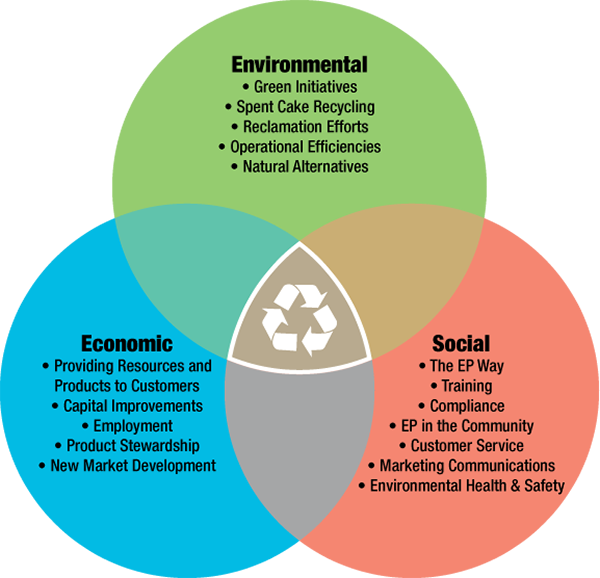
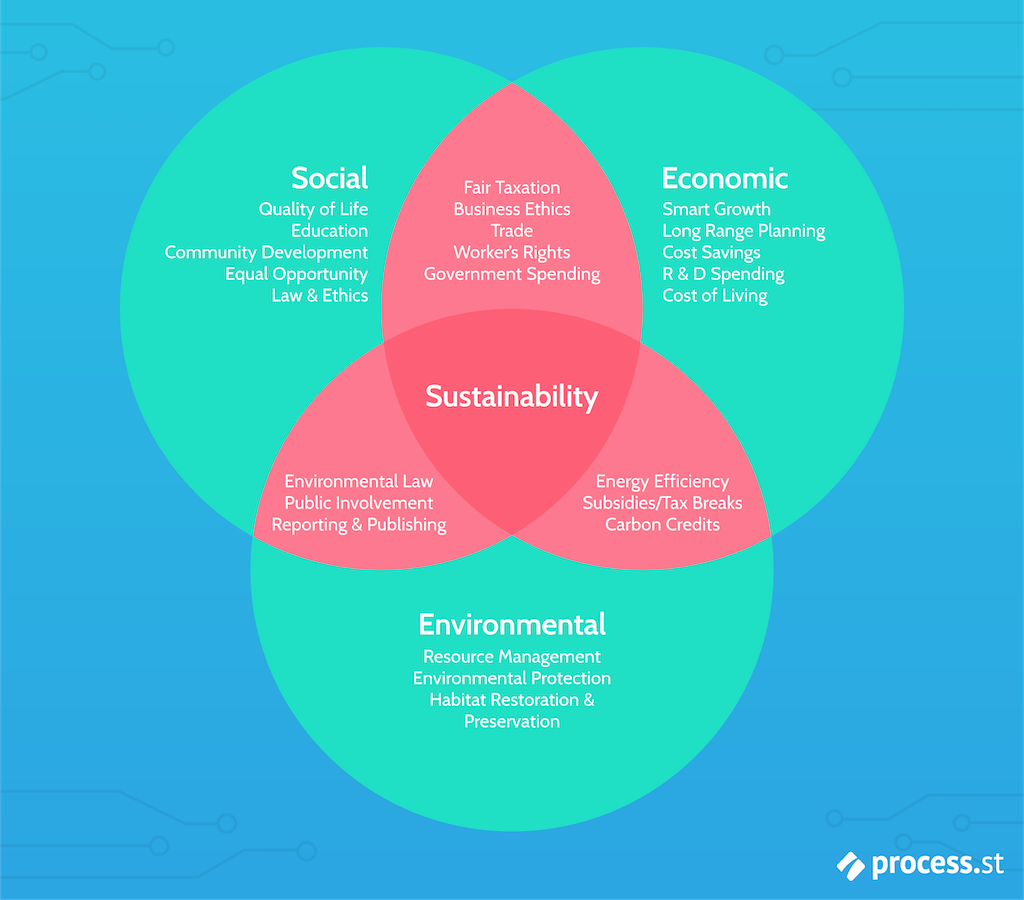
The 3 Pillars of Sustainability
-
Environmental Sustainability – Protecting natural resources and reducing ecological harm.
-
Social Sustainability – Ensuring fairness, community well-being, and human rights.
-
Economic Sustainability – Creating long-term economic value and stable growth.
Why sustainability matters:
-
Reduces environmental damage
-
Improves quality of life
-
Increases business resilience
-
Enhances community welfare
-
Supports long-term economic health
4. The 7 Ps of Sustainable Marketing
Traditional marketing uses the 4 Ps, but sustainable marketing expands it to 7 Ps, integrating ethical and eco-friendly principles.
1. Product
Designing eco-friendly, durable, recyclable, or ethically sourced products.
2. Price
Using fair pricing that reflects true environmental and social costs.
3. Place
Distributing products efficiently with minimal environmental impact (e.g., green logistics).
4. Promotion
Communicating transparently without greenwashing—using honest, educational messages.
5. People
Involving employees, customers, and communities in sustainable practices.
6. Process
Implementing efficient, ethical, low-waste operational processes.
7. Physical Evidence
Using sustainable packaging, certifications, and visible proof of responsible operations.
5. The 5 C’s of Sustainability
The 5 C’s represent key areas that businesses must focus on to build a truly sustainable strategy.
1. Consumers
Understanding the growing demand for ethical, transparent, eco-conscious brands.
2. Company
Embedding sustainability into the company’s mission, culture, and decision-making.
3. Competitors
Staying aware of sustainability standards and innovations within the industry.
4. Collaborators
Partnering with ethical suppliers, NGOs, and sustainability experts to drive impact.
5. Climate
Considering the environmental impact of every business activity and taking steps to reduce emissions, waste, and ecological footprint.
Conclusion
Sustainable marketing is not just a trend—it’s a necessity. As consumers demand more ethical and transparent brands, businesses must evolve toward responsible, purpose-driven practices. By embracing sustainability frameworks like the 7 Ps and 5 C’s, companies can build trust, stay competitive, and make a meaningful impact on the world.

 Arabic
 Français
 Español
 Português
 Deutsch
 Türkçe
 Dutch
Dutch
 Italiano
 Russian
 Romaian