


Are Skin Tags Contagious: What Science Says
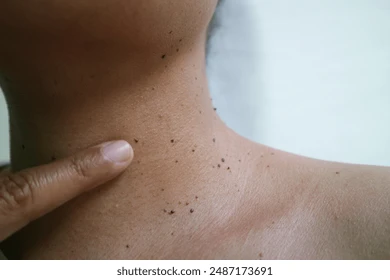
Skin tags are small, soft, non-cancerous growths that commonly appear on areas such as the neck, underarms, eyelids, and groin. They are usually harmless but can be unsightly or irritating, especially if they rub against clothing or jewelry. One of the most frequent questions people have about skin tags is: Are Skin Tags Contagious? In this article, we’ll examine what science says, explore causes, and discuss prevention and treatment options.
Understanding Skin Tags
Skin tags, known medically as acrochordons, are composed of collagen fibers, blood vessels, and skin cells. They can range in size from tiny bumps to more noticeable growths. While they don’t cause pain in most cases, they can become irritated or inflamed if friction occurs.
These growths are very common, particularly among middle-aged and older adults. While harmless, many people wonder about the potential for skin tags to spread.
Causes of Skin Tags
Skin tags develop due to various factors:
-
Friction: Repeated rubbing of skin against skin in areas like the neck, armpits, or under breasts.
-
Genetics: Family history can make some individuals more prone to developing skin tags.
-
Hormonal Changes: Pregnancy or hormonal disorders can trigger new growths.
-
Obesity: Increased skin folds create more areas for friction, promoting skin tag formation.
-
Medical Conditions: Conditions like diabetes and insulin resistance are linked to higher skin tag incidence.
Even though these factors explain why skin tags appear, they do not imply that the growths can spread between individuals.
Are Skin Tags Contagious? Scientific Insights
Dermatologists confirm that skin tags are not contagious. Unlike warts caused by the human papillomavirus (HPV), skin tags are not linked to viruses, bacteria, or fungi. Their development is related to localized skin conditions, friction, and other internal factors—not person-to-person transmission.
Even if multiple skin tags appear on different parts of the body, this is a natural progression and not a sign of contagion. You cannot “catch” skin tags from another person, nor can they be transmitted via shared clothing, towels, or physical contact.
Who Is More Likely to Develop Skin Tags?
Although skin tags are not contagious, some groups have a higher likelihood of developing them:
-
Middle-aged and older adults
-
People with excess weight or obesity
-
Individuals with diabetes or insulin resistance
-
Those experiencing hormonal changes, such as pregnancy
Understanding risk factors helps manage expectations and guide preventive measures, even though contagion is not a concern.
Skin Tags and Health Implications
While generally harmless, skin tags can sometimes signal underlying health issues. Research suggests links between skin tags and metabolic conditions such as diabetes, obesity, and metabolic syndrome. Focusing on health and wellness by maintaining a balanced diet, regular exercise, and proper weight management can reduce the risk of new skin tag development.
Monitoring skin changes is important. Any rapid growth or unusual changes should be evaluated by a dermatologist to rule out more serious skin conditions.
Safe Removal Methods
Many people opt to remove skin tags for cosmetic reasons or discomfort. Dermatologists recommend professional treatments such as:
-
Cryotherapy: Freezing the skin tag with liquid nitrogen.
-
Excision: Cutting the skin tag using sterile instruments.
-
Ligation: Tying off the base to cut blood supply, causing it to fall off naturally.
-
Topical treatments: Some over-the-counter products can help, but professional guidance is best.
Avoid attempting removal at home with scissors or unverified remedies, as this can lead to infection or scarring.
Common Myths About Skin Tags
Despite scientific clarity, myths about skin tags persist:
-
Touching someone with skin tags can give you them.
-
Poor hygiene causes skin tags.
-
Skin tags can turn into cancer.
Dermatologists emphasize that these beliefs are false. The question Are Skin Tags Contagious has been thoroughly investigated, and research confirms that skin tags do not spread between people. Maintaining proper skin hygiene and monitoring growths is sufficient for management.
Tips to Minimize Skin Tag Formation
Although not all skin tags can be prevented, these strategies can reduce new growths:
-
Maintain a healthy weight to minimize friction in skin folds.
-
Wear loose-fitting clothing to reduce skin rubbing.
-
Manage blood sugar levels if you have diabetes or insulin resistance.
-
Keep skin clean and dry in areas prone to friction.
These measures support overall skin health and minimize discomfort associated with skin tags.
Conclusion
Skin tags are common, harmless growths, and one of the most frequently asked questions is: Are Skin Tags Contagious? Dermatologists confirm they are not. Skin tags are caused by friction, genetics, hormonal changes, and certain health conditions—not by viral or bacterial transmission.
By focusing on health and wellness, monitoring your skin, and consulting a dermatologist for removal when needed, you can manage skin tags effectively and confidently. Understanding the facts allows you to separate myths from reality and care for your skin without unnecessary worry.

 English
 Arabic
 Español
 Português
 Deutsch
 Türkçe
 Dutch
Dutch
 Italiano
 Russian
 Romaian