


How to maintain wet wipes making machine?
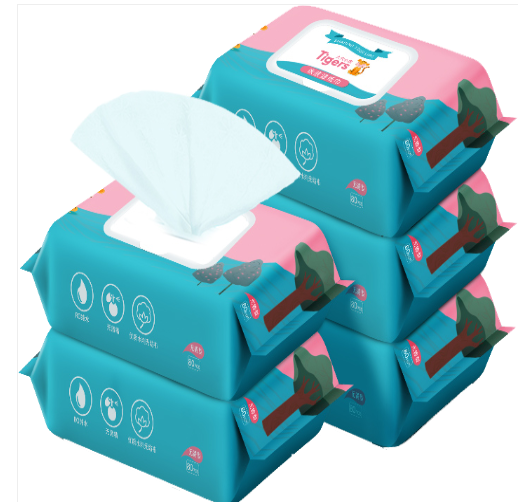
Maintaining a wet wipes making machine is crucial for ensuring smooth operation, maximizing the lifespan of the equipment, and producing high-quality wipes. These machines are essential in the production of wet wipes, which have become increasingly popular for personal hygiene, household cleaning, and industrial applications. In this article, we will guide you on how to maintain a wet wipes making machine, so you can keep it running efficiently and avoid unnecessary downtime.
Why Maintenance is Important for Wet Wipes Making Machines?
Wet wipes making machines are intricate systems with various components, such as motors, rollers, pumps, and conveyors. These parts work together to create wet tissues or wipes, often used in a variety of settings, including personal care, baby care, and cleaning. Proper maintenance of these machines ensures that they remain in top condition, allowing for consistent production and minimizing the risk of malfunctions.
Neglecting maintenance can lead to breakdowns, poor-quality wipes, and costly repairs. To keep your machine in optimal condition, it is essential to follow a maintenance routine that covers both preventive and corrective actions.
Key Aspects of Wet Wipes Making Machine Maintenance
The following sections will outline the key aspects of wet wipes making machine maintenance, which will help keep your equipment in good working order for longer periods.
1. Regular Cleaning
One of the most important maintenance tasks for any wet wipes making machine is regular cleaning. Dirt, dust, and residue from the wipes can accumulate on various components, affecting their efficiency. Regular cleaning prevents this buildup and ensures smooth operation.
-
Cleaning the Wet Tissue Cover Area: The wet tissue cover area is where the wipes are stacked and packaged. This section can accumulate grime and wet residue over time, which may affect the sealing process. Ensure the area is regularly wiped down with a damp cloth and that all seals are free from debris.
-
Machine Components: Clean rollers, motors, conveyors, and other parts with appropriate cleaning agents to prevent dirt buildup. Follow the manufacturer's guidelines for cleaning and avoid harsh chemicals that could damage machine components.
2. Lubrication of Moving Parts
Lubrication is crucial for the moving parts of the wet wipes making machine, such as gears, rollers, and motors. Proper lubrication reduces friction and wear, ensuring smooth operation and preventing damage to critical components.
-
Gears and Bearings: Apply high-quality lubricant to the machine's gears, bearings, and shafts as recommended by the manufacturer. Regular lubrication helps prevent excessive wear and tear, extending the lifespan of these parts.
-
Rollers: Rollers in wet wipes machines can become sticky or resistant to movement. Ensure they are properly lubricated to facilitate smooth motion and prevent clogging or malfunctioning.
3. Checking the Electrical System
A wet wipes making machine is powered by electricity, and the electrical system must be regularly checked to ensure that everything is functioning correctly. Faulty wiring, short circuits, or electrical malfunctions can cause the machine to stop working.
-
Inspect Wiring: Regularly check the wiring for any visible signs of wear, fraying, or damage. Replace any worn-out wires to prevent electrical failures.
-
Check Electrical Components: Ensure that the fuses, switches, and controllers are functioning properly. If there are any issues, replace or repair the faulty components to avoid interruptions during the manufacturing process.
4. Ensuring Proper Tension and Alignment
Tension and alignment are crucial for ensuring that the wipes are produced evenly and consistently. Misaligned rollers or uneven tension can result in poor-quality wipes or damage to the machine.
-
Check Alignment: Regularly check the alignment of the rollers and other moving parts. Misalignment can cause the wipes to tear or come out uneven, which affects both the appearance and quality of the final product.
-
Adjust Tension: The tension on the material used to make the wipes should be consistent. Regularly check the tension of the fabric or nonwoven material, as improper tension can cause wrinkles or gaps in the finished wipes.
5. Monitoring the Water and Chemical Supply
Wet wipes are created by adding water and chemicals to the material, so it's essential to monitor and maintain the water and chemical systems to ensure proper functioning.
-
Water Supply: Make sure that the water supply system is clean and free from any blockages. Clean the water filters regularly to prevent contamination and ensure that only clean water is used to produce the wipes.
-
Chemical Dosing: The right balance of chemicals is essential for creating wipes with the desired properties. Regularly check the chemical dosing system to ensure it is accurately dispensing the correct amount of solution.
6. Checking the Packaging Section
The packaging section of the wet wipes making machine is where the final product is sealed and prepared for distribution. Ensuring the packaging area is functioning correctly is crucial for maintaining the quality and hygiene of the wipes.
-
Sealing and Packaging: The wet wipes should be sealed in airtight packaging to maintain their moisture levels. Regularly check the packaging seals and replace any worn-out components. This ensures that the wipes remain moist and sterile for the end-user.
-
Labeling and Quality Control: Make sure that the labeling system is properly aligned and that the labels are printed correctly. Consistent labeling and quality control help maintain the credibility of your product.

Preventive Maintenance vs. Corrective Maintenance
When it comes to maintaining your wet wipes making machine, there are two main types of maintenance: preventive and corrective. Both types are important for keeping the machine in top condition.
1. Preventive Maintenance
Preventive maintenance is the practice of regularly performing maintenance tasks to prevent issues before they arise. It includes activities such as cleaning, lubrication, and inspection of key components. This type of maintenance helps to extend the life of the machine and reduce the likelihood of unexpected breakdowns.
-
Scheduled Inspections: Set up a schedule for routine inspections, such as weekly, monthly, and yearly checkups. These inspections should cover all critical components and systems, including the wet wipes making machine's rollers, motors, and electrical systems.
-
Replacement of Worn-Out Parts: Regularly replace parts that are prone to wear and tear, such as filters, seals, and lubricants. Preventive maintenance ensures that your machine operates without disruptions and helps you avoid costly repairs.
2. Corrective Maintenance
Corrective maintenance is the process of repairing or replacing parts after a failure has occurred. While preventive maintenance helps minimize the need for corrective actions, occasional breakdowns may still happen. When they do, it is important to address the issue quickly to minimize downtime.
-
Emergency Repairs: Have a team in place for emergency repairs in case of machine breakdowns. Keep spare parts on hand for quick replacement of critical components such as motors, gears, and rollers.
-
Troubleshooting: If the machine is not functioning as expected, troubleshoot the system to identify the root cause. Follow the manufacturer’s troubleshooting guide to pinpoint the issue and apply the necessary corrective measures.
Conclusion
Maintaining a wet wipes making machine is essential for ensuring optimal performance and product quality. Regular cleaning, lubrication, inspection, and monitoring of key systems such as water supply and chemical dosing will help prevent breakdowns and ensure efficient production. By implementing both preventive and corrective maintenance strategies, you can extend the lifespan of your equipment and continue producing high-quality wet wipes for various applications.
Remember, investing in proper maintenance not only saves costs in repairs but also ensures that your business can meet production demands without delays. Maintaining your wet wipes making machine should be seen as an ongoing process, one that helps you maintain product quality, reduce downtime, and ensure the safety and longevity of your equipment.

 English
 Arabic
 Français
 Español
 Português
 Deutsch
 Dutch
Dutch
 Italiano
 Russian
 Romaian