


Reducing Human Error in Clinical Data: AI-Driven Automation for Accurate, Secure EHR Management
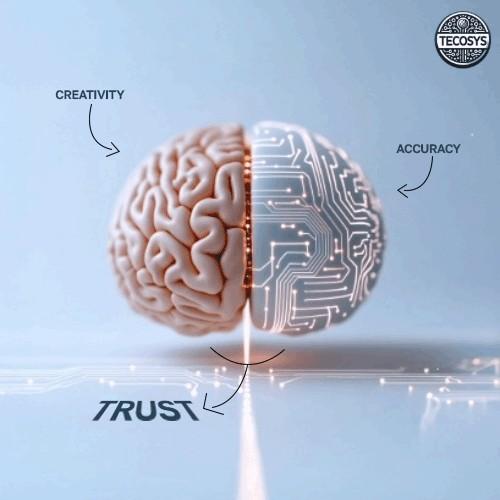
In today’s healthcare landscape, accurate patient data is one of the core foundations of safe, reliable medical care. Every test, prescription, or consultation generates information that must be captured correctly. Yet despite technological advances, human error in Electronic Health Records (EHRs) continues to be a major challenge. Studies show that over 30% of clinical mistakes are tied to data inaccuracies—whether it’s a mistyped dosage, missing allergy information, or misplaced lab results.
These errors not only put patients at risk but also disrupt billing, delay diagnoses, create compliance issues, and increase burnout among healthcare professionals. As healthcare systems become more data-driven, the industry needs smarter, more reliable ways to manage clinical information. This is where agentic automation—AI systems capable of adapting, analyzing, and acting independently—begins to transform how EHRs are managed.
Why Clinical Data Errors Still Happen
1. Manual Entry Overload
Clinicians and staff spend significant time entering details into EHR systems. Under time pressure, mistakes are common:
- Typos in medication names
- Incorrect or missing dosages
- Duplicate patient records
- Misfiled lab reports
- Wrong coding for billing or insurance
Even a small oversight can lead to large downstream issues.
2. Impact on Patient Care
Data errors, even minor ones, can directly affect treatment outcomes:
- Wrong dosage → Incorrect medication given
- Missing allergy record → Harmful reactions
- Lab entry errors → Misdiagnosis or delayed care
In a setting where every detail matters, accuracy shapes safety.
3. Compliance and Legal Risks
EHR mistakes also create compliance challenges:
- Broken audit trails affect HIPAA readiness
- Mishandled records raise the risk of data breaches
- Incorrect documentation can lead to financial penalties
Manual systems simply cannot keep pace with modern regulatory demands.
What Is Agentic Automation?
Agentic automation uses AI “agents” that learn, reason, and adapt—moving beyond basic automated rules. Think of them as intelligent digital assistants that help manage clinical data with high precision.
These AI agents can:
- Generate accurate clinical notes in real time
- Identify inconsistent or duplicate EHR entries
- Detect missing or incorrect data
- Ensure patient records follow compliance requirements
- Improve scheduling, coding, and documentation workflows
Instead of relying solely on human data entry, the system continuously monitors and corrects information, reducing errors before they can impact care.
How Agentic Automation Improves EHR Accuracy
1. Automated Clinical Documentation
AI scribes can capture doctor–patient conversations and convert them into structured notes. This reduces manual typing and limits omissions or misinterpretations.
2. Intelligent Validation
Automated EHR systems compare new entries with existing records, spotting mismatches, conflicting details, or duplicates.
3. Built-In Compliance Safeguards
Features like role-based access, encrypted workflows, and detailed audit logs support HIPAA compliance and protect patient privacy.
4. Real-Time Alerts
AI flags potential issues—such as unusual dosage entries or abnormal lab values—before they affect patient care.
5. Seamless Telehealth Integration
Virtual consultations can be transcribed and synced automatically, ensuring consistent patient history across digital and in-person visits
Benefits of Agentic Automation in Healthcare
1. Improved Patient Safety
Fewer data mistakes translate to more accurate diagnoses, better medication management, and safer clinical decisions.
2. Reduced Workload for Clinical Staff
Automation handles repetitive tasks, giving clinicians more time for direct patient care.
3. Stronger Compliance
Consistent audit logs and secure workflows help organizations stay aligned with regulatory standards.
4. Higher Patient Trust
When records are accurate and secure, patients feel more confident in their care experience.
5. Scalability Across Healthcare Systems
From small clinics to large hospital networks, AI-driven systems can adapt to different workflows and data volumes.
The Future of Clinical Data Accuracy
As healthcare AI evolves, agentic automation will become even more capable. Future systems will:
- Predict missing or inconsistent data
- Spot clinical risks by analyzing patient patterns
- Support more personalized treatment recommendations
- Integrate with wearables, IoT devices, and remote monitoring tools
The next generation of clinical systems will be proactive—identifying errors before humans even notice them and creating safer, more intelligent digital health environments.
Organizations looking to strengthen their data accuracy and modernize their digital workflows can explore how different AI and automation solutions align with their needs. Resources from platforms such as Tecosys and AI ecosystems like Nutaan AI offer insights into emerging capabilities. Those interested in planning or discussing real-world integration can schedule a conversation through Calendly to understand potential use cases and implementation strategies.

 Arabic
 Français
 Español
 Português
 Deutsch
 Türkçe
 Dutch
Dutch
 Italiano
 Russian
 Romaian