


IVF Success Rates by Age: Real Numbers Explained
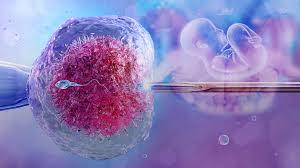
IVF success rates dominate conversations about fertility treatment, yet many patients misunderstand what these statistics actually measure and how they apply to individual situations. Clinics report success in various ways—pregnancy rates per cycle, live birth rates per transfer, cumulative success after multiple attempts—making direct comparisons between facilities difficult without understanding which metric is being used.
The most meaningful statistic is live birth rate per cycle started, which accounts for cycles canceled before egg retrieval, failed fertilization, no embryos available for transfer, and pregnancy losses. This number gives the truest picture of your chances of taking home a baby from any single IVF attempt.
Age-Based Success Rate Breakdown
Age stands as the single most significant predictor of IVF success because it directly correlates with egg quality. While ovarian reserve (egg quantity) matters too, egg quality driven by age determines whether embryos will be chromosomally normal and capable of developing into healthy pregnancies.
General IVF success rates by age:
- Under 35: 40-50% live birth rate per cycle
- 35-37: 30-35% live birth rate per cycle
- 38-40: 20-25% live birth rate per cycle
- 41-42: 10-15% live birth rate per cycle
- Over 42: 5-10% live birth rate per cycle with own eggs
These ranges represent national averages compiled from thousands of IVF cycles reported to registries like SART (Society for Assisted Reproductive Technology). Individual clinic rates vary based on patient population, protocols used, laboratory quality, and simply chance variation in small sample sizes.
The dramatic decline after age 37-38 reflects increasing rates of chromosomal abnormalities in eggs. At age 25, roughly 25% of eggs are chromosomally abnormal. By age 35, this increases to about 50%. At 40, approximately 75% are abnormal. By 42, over 90% of eggs carry chromosomal errors preventing successful pregnancy even if fertilization and embryo development occur normally.
Factors Beyond Age Affecting Your Success
While age provides the strongest statistical predictor, numerous other factors influence individual success probability. Two women the same age can have dramatically different IVF outcomes based on these additional variables.
Ovarian reserve measures egg quantity remaining and influences how many eggs can be retrieved during IVF. Women with diminished ovarian reserve produce fewer eggs per cycle, reducing the number of embryos available and decreasing per-cycle success probability. However, if egg quality is good, even low egg numbers can result in successful pregnancies.
Body mass index (BMI) affects both fertility treatment response and pregnancy outcomes. Women with BMI under 18.5 or over 30 tend to have lower IVF success rates compared to those in healthy weight ranges. Obesity specifically correlates with decreased response to stimulation medications, lower egg quality, reduced implantation rates, and increased miscarriage risk.
Additional factors influencing success:
- Duration of infertility (longer duration correlates with lower success)
- Cause of infertility (tubal factor vs. male factor vs. unexplained)
- Previous pregnancy history (better prognosis if previously conceived)
- Lifestyle factors (smoking dramatically reduces success)
- Uterine health (fibroids, polyps, scarring affect implantation)
- Male factor severity (sperm DNA fragmentation impacts embryo quality)
Patients with unexplained infertility often have better success rates than those with diagnosed conditions like endometriosis or diminished ovarian reserve, assuming age is equivalent. This suggests the reproductive system has fewer underlying issues affecting fertility.
How Clinics Calculate and Report Success Rates
Fertility clinics must report their success rates annually to SART and the CDC, but how they present this information on websites and in consultations varies significantly. Some clinics report their best numbers—success rates for younger patients or per transfer rather than per cycle started—which appear more impressive than comprehensive statistics.
When comparing clinics, ensure you're looking at live birth rates per cycle started for your age group specifically. A clinic claiming "60% success rate" might mean 60% of women under 35 who had embryos available to transfer achieved pregnancy, not that 60% of all patients took home babies.
Beware of clinics that see primarily low-risk younger patients—their overall statistics look better but might not indicate superior care for patients with challenging diagnoses. Conversely, clinics accepting high-risk cases or doing research may have lower overall success rates while actually providing excellent care.
SART's website allows you to review standardized success rate data for fertility clinics nationwide, broken down by age groups and using consistent definitions. This tool helps you compare clinics fairly rather than relying on marketing materials presenting statistics in the most favorable light possible.
Realistic Expectations for Multiple Cycles
Single-cycle success rates tell only part of the story. Cumulative success rates across multiple IVF attempts provide more complete pictures of eventual pregnancy probability for patients willing and able to pursue multiple cycles.
For women under 35, cumulative success rates after three complete IVF cycles reach approximately 65-70%. This means that among younger women who complete three cycles, roughly two-thirds ultimately achieve live births. For women 38-40, cumulative three-cycle success rates drop to approximately 40-45%.
Cumulative success considerations:
- Each cycle's success probability is independent
- Failed cycles provide information for protocol optimization
- Embryo banking improves cumulative odds
- Financial and emotional capacity limit total attempts
- Age advances during multiple cycles
Understanding cumulative statistics helps set realistic expectations—many successful IVF parents needed multiple attempts despite disappointing first-cycle results. However, cumulative success rates assume you have resources and resilience for multiple cycles, which isn't everyone's reality.
Improving Your Individual Odds
While you can't change your age or reverse years of infertility, certain actions within your control potentially improve IVF success probability. These interventions don't guarantee success but optimize conditions for the best possible outcomes given your circumstances.
Achieving healthy body weight before starting IVF improves both treatment response and pregnancy outcomes. If significantly over or underweight, even modest weight changes in the right direction help. Work with your doctor to determine healthy goals for your body and situation.
Eliminating smoking is non-negotiable—smoking dramatically reduces IVF success rates and accelerates ovarian aging. Both partners should quit at least three months before starting treatment. Similarly, limiting alcohol consumption improves outcomes, with complete abstinence during treatment cycles recommended.
Actions that may improve success:
- Optimizing BMI to healthy range (18.5-25)
- Taking prenatal vitamins with folate for at least one month pre-treatment
- Eliminating smoking completely
- Limiting alcohol and caffeine consumption
- Managing chronic conditions like diabetes or thyroid disease
- Reducing stress through meditation, yoga, or counseling
- Getting adequate sleep (7-9 hours nightly)
- Moderate exercise without overtraining
Some supplements like CoQ10, vitamin D, and DHEA are commonly recommended by fertility specialists to potentially improve egg quality, though scientific evidence remains mixed. Discuss any supplements with your doctor before starting them, as some can interact with fertility medications or aren't advisable in certain situations.
When to Consider Donor Eggs
For women over 42, or younger women with severely diminished ovarian reserve or poor egg quality, donor eggs from young donors offer dramatically better success rates—typically 60-70% per cycle regardless of recipient age. This option requires grieving the genetic connection to your child but provides realistic paths to pregnancy and parenthood when own eggs have minimal success probability.
The decision to use donor eggs is deeply personal and emotionally complex. Many women need months or years to process this choice, working through grief about genetic motherhood before opening to the reality of donor conception. Counseling specifically about third-party reproduction helps couples navigate these difficult decisions.
Success rates with donor eggs remain high because donor egg quality rather than recipient age primarily determines outcomes. However, recipient age does affect pregnancy risks—women over 45 face increased pregnancy complications regardless of conception method, which doctors consider when determining whether to proceed with donor egg treatment.
Interpreting Your Clinic's Statistics
When evaluating fertility clinics, examine their success rates critically rather than accepting impressive-sounding numbers at face value. Higher reported success rates don't automatically indicate better care—they might reflect patient selection, statistical presentation methods, or simply chance variation in small samples.
Consider the clinic's patient population. Do they see primarily young, healthy patients with good prognoses, or do they accept complex cases that other clinics turn away? Clinics treating difficult cases may have lower overall success rates while actually providing superior care for challenging situations.
Look at success rates for your specific age group and diagnosis rather than overall clinic averages. A clinic with excellent outcomes for women under 35 might have poor results for women over 40, or vice versa. Your relevant comparison is their performance with patients like you, not their best numbers.
Ask during consultations how the clinic's success rates for your age and situation compare to national averages. Reputable doctors discuss this honestly, explaining whether you're a good candidate or acknowledging if your prognosis is challenging. Be cautious of clinics making unrealistic promises or guaranteeing success regardless of individual circumstances.
Making Decisions Based on Statistics
Understanding success rate statistics helps you make informed treatment decisions, but remember that statistics describe populations, not individuals. You will either succeed or not—you can't be 30% pregnant or achieve 0.4 babies.
Use statistics to set realistic expectations about the probability of success versus failure, potential need for multiple cycles, and when to consider alternative approaches. Don't use them to predict your specific outcome—plenty of women succeed despite low odds, and others fail despite favorable prognoses.
Ultimately, the decision to pursue IVF depends on balancing realistic success probability against the financial costs, physical demands, emotional investment, and alternative options available. For some patients, even 15% success probability justifies attempting treatment. Others decide that 40% odds aren't sufficient given the costs and challenges involved.
Your age-based success rate represents a starting point for understanding your situation, modified by your specific diagnosis, ovarian reserve, lifestyle factors, and the protocol your doctor recommends. Combined with honest assessment of your resources and resilience, these statistics guide decisions about whether to pursue IVF, how many cycles to attempt, and when to consider alternative paths to parenthood.

 English
 Arabic
 Français
 Español
 Português
 Deutsch
 Türkçe
 Dutch
Dutch
 Russian
 Romaian