


BMW Engine Repair
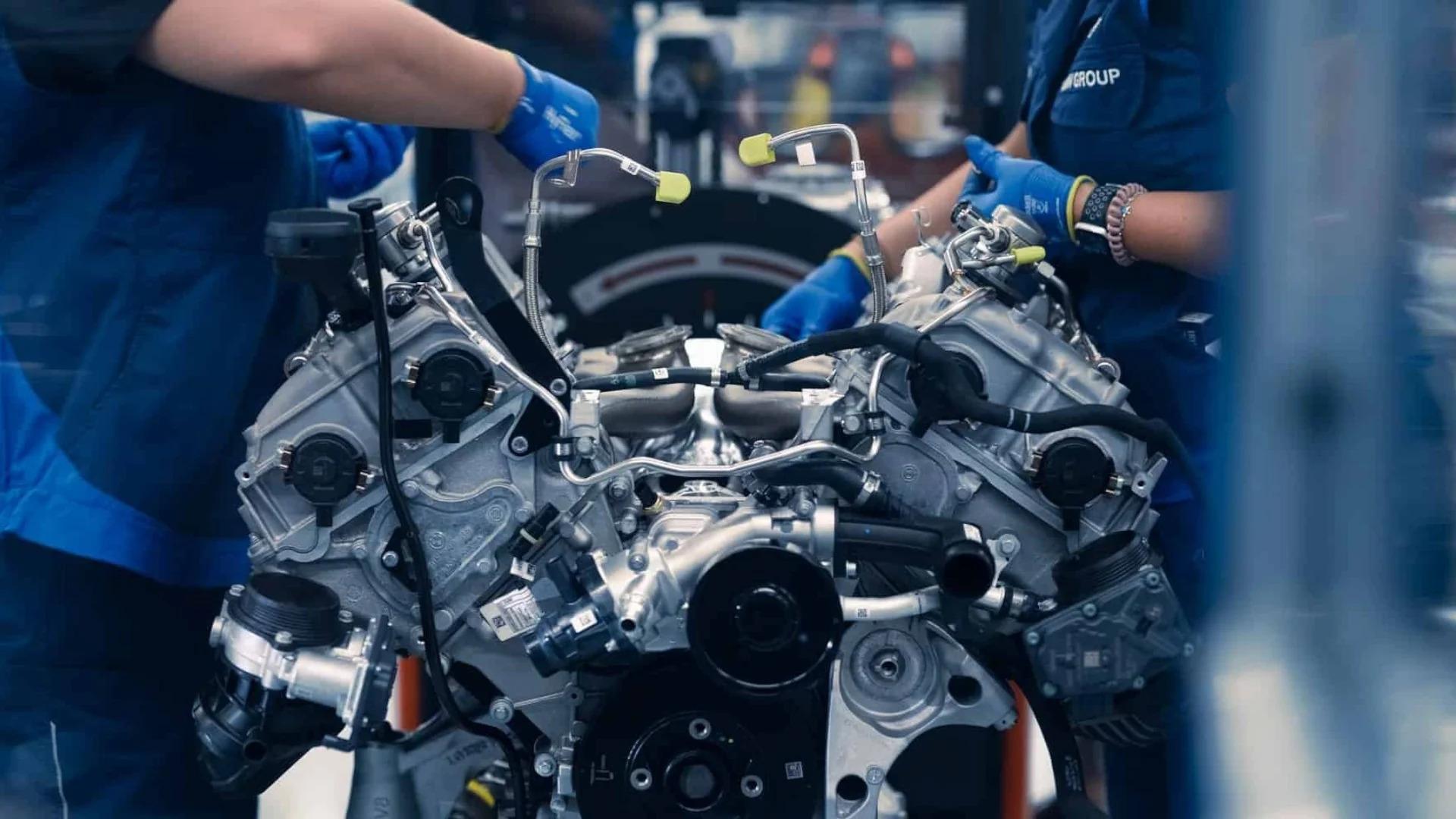
Complete Guide to Diagnosis, Common Issues & Professional Solutions
BMW vehicles are known worldwide for their dynamic performance, engineering precision, and refined driving feel. However, like any high-performance machine, BMW engines require proper care, timely maintenance, and accurate repairs to continue operating at their best. Whether you drive an older N-series model or a modern B-series engine, understanding the essentials of BMW engine repair can help you catch issues early, prevent costly breakdowns, and extend your engine’s lifespan.
In this article, we take a deep dive into common BMW engine problems, warning signs, repair procedures, and why relying on experienced technicians is crucial.
Why BMW Engines Require Specialized Repair
BMW engines are engineered with tight tolerances, advanced electronics, turbocharging systems, and high-pressure fuel technology. These characteristics make them powerful and efficient—but also more complex than standard engines. This complexity means BMW engine repair requires:
-
Specialized diagnostic equipment
-
OEM-quality parts
-
Technicians trained specifically in BMW systems
-
Knowledge of engine-specific weaknesses and repair methods
Choosing a general mechanic unfamiliar with BMW platforms can lead to misdiagnosis, improper repairs, or new problems created by incorrect installation.
Common BMW Engine Problems That Require Repair
1. Oil Leaks
Oil leaks are among the most frequent BMW engine issues. Common leak points include:
-
Valve cover gasket
-
Oil filter housing gasket
-
Oil pan gasket
-
Rear main seal
Ignoring these leaks can lead to low oil levels, overheating, and even engine failure.
2. Timing Chain Issues
Some BMW engines—especially the N20 and N26—are known for timing chain stretch and guide failure. A noisy timing chain or rattling at cold start is a serious warning sign that immediate engine repair is needed.
3. Overheating Problems
BMWs are notorious for water pump and thermostat failures. Overheating can lead to blown head gaskets, cracked cylinder heads, or severe engine damage if not repaired quickly.
4. Loss of Power or Misfires
Misfires often originate from:
-
Faulty ignition coils
-
Bad spark plugs
-
Clogged injectors
-
Carbon buildup (especially on direct-injection engines)
A proper BMW engine repair approach includes advanced diagnostics rather than simply replacing parts at random.
5. Turbocharger Failure
Turbo engines like the N54, N55, B48, and B58 deliver excellent performance but are prone to issues such as:
-
Wastegate rattle
-
Boost leaks
-
Oil seal failure
Ignoring turbo problems can lead to catastrophic engine damage.
6. Excessive Oil Consumption
Some BMW engines naturally consume oil, but excessive use indicates worn valve seals, piston rings, or PCV system failure—all of which require engine repair or rebuilding.
Signs Your BMW Needs Engine Repair
Early detection can save thousands of dollars. Key warning signs include:
-
Check Engine Light
-
Poor fuel economy
-
Burning oil smell
-
Blue, white, or black exhaust smoke
-
Knocking or tapping noises
-
Coolant loss with no visible leak
-
Rough idle or stalling
If you notice any of these symptoms, scheduling a BMW engine repair diagnostic is essential.
The BMW Engine Repair Process
1. Computer Diagnostics
Technicians use BMW ISTA or similar tools to scan fault codes, evaluate live data, and pinpoint failing components.
2. Visual and Mechanical Inspection
This includes checking hoses, seals, belts, vacuum lines, and listening for abnormal sounds.
3. Component Testing
Fuel system pressure tests, compression tests, leak-down tests, and smoke tests help identify internal issues.
4. Repair or Replacement
Depending on the diagnosis, the repair may involve:
-
Replacing gaskets or seals
-
Installing new ignition components
-
Repairing turbocharger issues
-
Fixing coolant system failures
-
Servicing timing components
A quality BMW engine repair always uses OEM or high-grade aftermarket parts.
5. Road Testing and Calibration
After repairs, the engine is retested to confirm smooth operation, correct fuel trims, and optimal performance.
Cost of BMW Engine Repair
Costs depend on the issue and engine type. Average ranges include:
-
Minor repairs (coils, plugs): $150–$400
-
Oil leak repairs: $300–$1,200
-
Coolant system repairs: $300–$900
-
Turbo repairs: $800–$2,500
-
Timing chain repairs: $1,000–$3,000
-
Major internal repairs: $2,500–$6,000
Catching problems early dramatically lowers repair costs.
How to Prevent Costly Engine Repairs
-
Change oil every 5,000–7,000 miles, not the extended BMW intervals
-
Use high-quality synthetic oil
-
Replace coolant components proactively
-
Avoid excessive idling and short trips
-
Address warning lights immediately
-
Perform routine inspections
Proactive care is the easiest way to avoid expensive BMW engine repair procedures.
Final Thoughts
A BMW engine repair is a critical part of keeping your vehicle running smoothly and reliably. With precise engineering and advanced technology, BMW engines demand skilled technicians, accurate diagnostics, and high-quality parts. Whether your engine is showing early symptoms or has developed a serious problem, timely repairs can save money, restore performance, and extend your vehicle’s lifespan.

 English
 Arabic
 Français
 Español
 Deutsch
 Türkçe
 Dutch
Dutch
 Italiano
 Russian
 Romaian