


The Secret Role Of Micro-Details In Making A World Feel Ancient
Have you ever had one of those moments when some fantasy world just feels older than the story itself?
You wander into a dimly lit tavern in an RPG, or flip to a random chapter in a novel, and some tiny little thing catches your eye, a chipped emblem on a shield.
A mispronounced ancient city name, and it's like the world is saying, "Hey, this place has a history".
Most writers start their world-building by chasing the big stuff first: continents, kingdoms, magic systems, the usual suspects.
But it's those tiny, almost throwaway details that make a world feel genuinely old and weathered instead of some hastily pieced-together construct.
And that's where modern tools like Summon Worlds come in, making it a whole lot easier to track, organize, and layer these small elements without the chaos of the old pen & paper days.
What Micro-Details Are Really All About (And Why They Actually Matter)
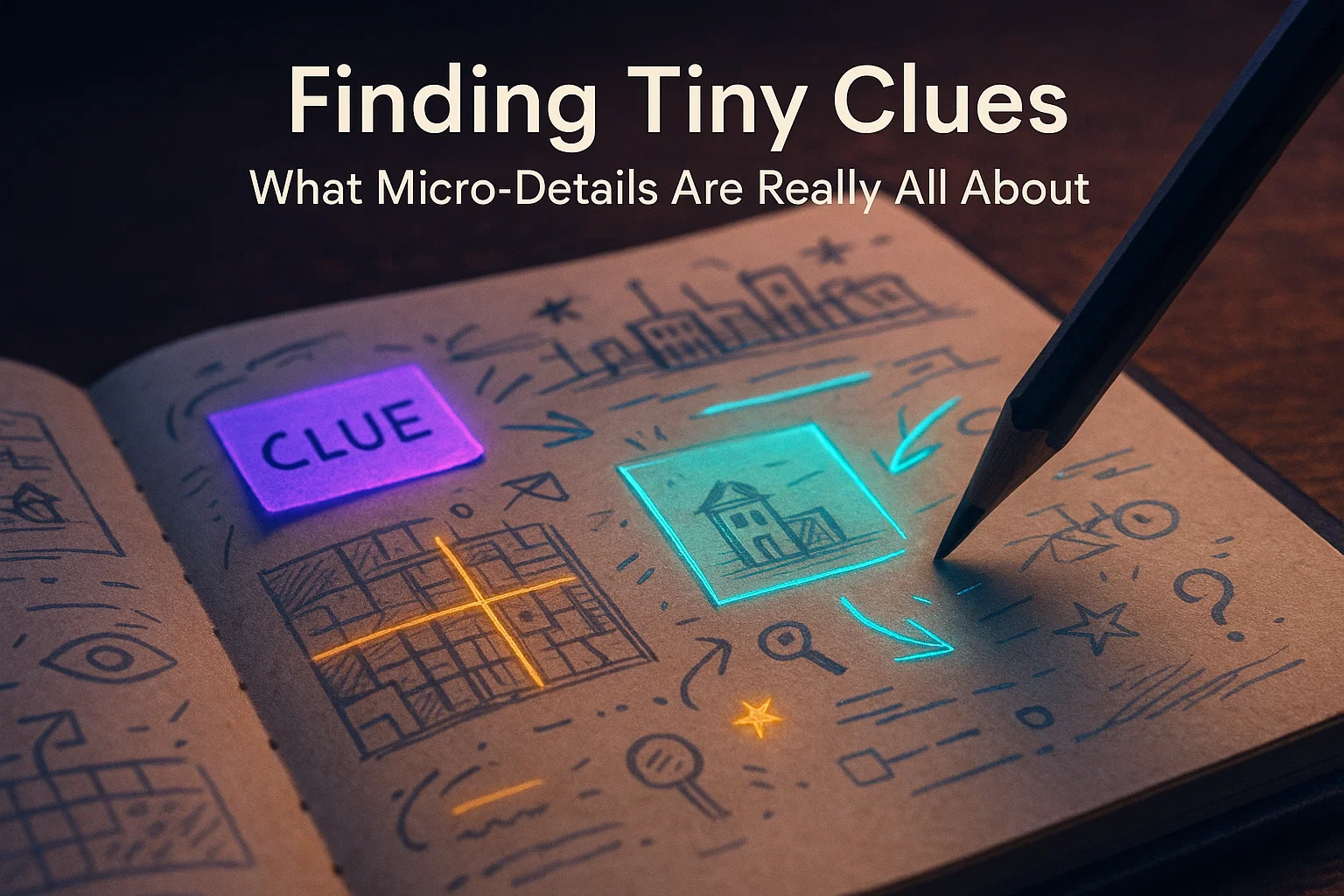
If you strip world-building back to its basics, there are really only two categories: the big structural stuff (geopolitics and all that) and the tiny contextual stuff (the stuff that makes a world feel lived-in).
The macro is your high-level world map; the micro is the bit where the stones don't quite match because some long-forgotten kingdom built a bit of it.
Micro-details don't shout to the heavens, "Hey, this world is old!"; they're the quiet little clues that tell you something's been around for a while, like the faint smudge of a clue left behind by centuries of culture, erosion, conflict, and people just trying to get on with their lives.
They matter because creating a sense of age isn't about ticking off a list of how long something's been around. It's about giving the reader a sense of that age through the little things.
Old Way:
In the past, writers would often lean way too heavily on lore dumps and timelines. "This city is 2,000 years old."... Yep, but what makes you think that?
New Way:
Show the reader, don't tell them. Let them discover how old a place is in the little things:
-
Mismatched buildings because different people or groups built parts of it
-
Weathered inscriptions nobody can quite decipher
-
Superstitions that people follow without always remembering why they started
-
City names that are actually hiding clues about ancient geography (which is a trick explored really nicely in that post about how world maps of continents can shape your story themes)
Here's the thing: micro-details are what build emotional credibility in your world. They create a sense of trust between the reader and the world you're creating.
Common Mistakes Writers Make (And How To Fix Them)
A lot of worlds feel suspiciously like they just rolled off the production line, even when the lore insists they've been around for a while. We see this all the time, especially in homebrew TTRPG settings where folks are getting creative.
Mistake #1: Everything's Looking Too Brand New
Castles that look like they've just been painted. Flags with no signs of wear and tear. Not a single crack or weathered stone in sight.
A world without all the scars and battle marks just comes across as being built yesterday in a showroom.
Fix
Just take a few moments to rough up the edges a bit. Add some signs of wear and tear. Give your environments a bit of history and let them tell a story.
Mistake #2: Cultures Don't Really Evolve
Your characters use slang that sounds way too modern in a supposed ancient society, or you have rituals and traditions that just appear out of thin air.
And don't even get me started on clothing that would be completely impractical in the climate and materials available to the characters.
Fix
Dig deeper into the history of your culture, so you can see how it's evolved. Give your traditions roots and let old beliefs peek through under the new ones. And names are always worth playing around with, watching them evolve over the eras.
Mistake #3: Overexplaining Instead Of World-Showing
When you're telling your reader every single detail in narration form, they're not really discovering anything for themselves, are they? It's that sense of discovery that really gets people immersed in a world.
Fix
Just casually drop in a few details here and there, like a tavern singer getting a name wrong. Let the reader fill in the gaps for themselves; that way, they really get to experience the world.
Mistake #4: Saying Goodbye To All Those Tiny Details
You create these amazing little details in your world, but then you just forget about them. By the time you reach book four or session ten, they're often contradicting each other.
Fix
Invest in some of those fancy worldbuilding tools, platforms like Summon Worlds for Dungeon Masters, which can help you track all the tiny details like artifacts, naming patterns, ancient influences, and evolving cultures that you create.
Unleashing The Power And Future Potential Of Micro-Details
There's one important thing that not many people talk about when it comes to worldbuilding: micro-details don't just make a world old, they make it feel alive.
When people notice those tiny, subtle clues that make up your world, it triggers something deep in their brain.
It's the same excitement they get when exploring an ancient ruin or museum. It's that curiosity and sense that there must be more to find out that really gets people involved.
Micro-details also add:
-
Depth to your world without adding a single word
-
Make cultures feel like they're really lived-in
-
Create awesome hooks for future plotlines
-
Add mystery (why is that bridge a patchwork of different styles?)
-
Reinforce your theme (cycles, decay, forgotten knowledge, etc.)
And with more of us using digital worldbuilding platforms to help, well, we're actually entering a whole new era, worlds where micro-details aren't an afterthought, but something that gets tracked, layered, reused, and connected.
We'd seen creators build entire story arcs around a half-broken sigil they had originally added almost by accident months ago. That's the real power of doing small things deliberately.
How To Use Micro-Details In Your Own World (Practical Integration)
Here's where the fun really starts. Let's dive into the application, especially if you're working on building your world within an app like Summon Worlds.
Tip #1 - Start Tallying "Evidence"
Think of yourself as an archaeologist going through your world. Take note of every tiny little clue you'd expect to stumble upon:
-
a mural that's been painted over three times
-
a god that nobody prays to anymore
-
a bent sword design that hints at long-forgotten warfare styles
Just jot down a quick note, toss in a tag for your world document, and you're done.
Tip #2 - Tackle The Contradictions
Old worlds are built on contradictions, myth vs fact, architecture vs oral tradition. A festival that used to mean one thing now has a completely different meaning.
Make a record of these contradictions in your project so you can draw on them later.
Tip #3 - Use Tiny Details As Plot-Starters
With Summon Worlds, you might just stick a forgotten rune symbol to 3-4 random spots on your map.
Players stumble upon one at a temple, one at a tomb, one carved into a cliffside. Suddenly, your tiny detail becomes a mysterious thread.
Tip #4 - Get A Cartographer's Mindset
Your map is a serious storytelling tool. Even tiny labels or weird land shapes will send a signal to readers that this world has a history.
And if you think back to our previous write-up about how world maps shape story themes, you can start building something that genuinely feels like it's been around for centuries.
Conclusion
When you take a step back, it's actually pretty funny how the smallest details can have such a huge impact.
A chipped statue, half-remembered rhyme, or a weird corner of a city where the bricks don't line up, these little details aren't just decorating your fantasy world, they're what give it wrinkles, scars, and personality.
If you want your world to feel older than the plot, don't go for big ol' lore dumps. You just need some evidence, some texture, and a few tiny clues peppered in where readers don't expect to find them.
And if you'd like an easier way to track your micro-details, map connections, layers of culture, and ancient artifacts,
Summon Worlds gives you the right tools without overwhelming you. You can go take a look at the platform, do some world file experimenting, and get building a really ancient-feeling setting for free.
Frequently Asked Questions
1. What is a micro-detail in worldbuilding?
A micro-detail is a small clue, like a faded mural, worn tools, or old sayings, that hints at a world’s deeper past. These subtle elements help readers feel history without long explanations.
2. How do micro-details make a world feel ancient?
They act like archaeological evidence. When readers encounter weathered objects or forgotten customs, they naturally sense layers of time, making the world feel older and more authentic.
3. Where should writers add micro-details?
Great spots include architecture, everyday items, rituals, inscriptions, and place names. Even a single worn symbol or mismatched building style can suggest a long history.
4. How to track micro-details while writing?
Keep them organized in a worldbuilding tool or document, so they stay consistent. Tracking helps you reuse details later for plot hooks or cultural depth.
5. Why do readers notice micro-details?
Because they spark curiosity. Small clues invite readers to imagine what came before, making your setting feel richer and more alive.

 Arabic
 Français
 Español
 Português
 Deutsch
 Türkçe
 Dutch
Dutch
 Italiano
 Russian
 Romaian