


Marketing in the Metaverse: A Career Guide for "Spatial Computing" Creatives
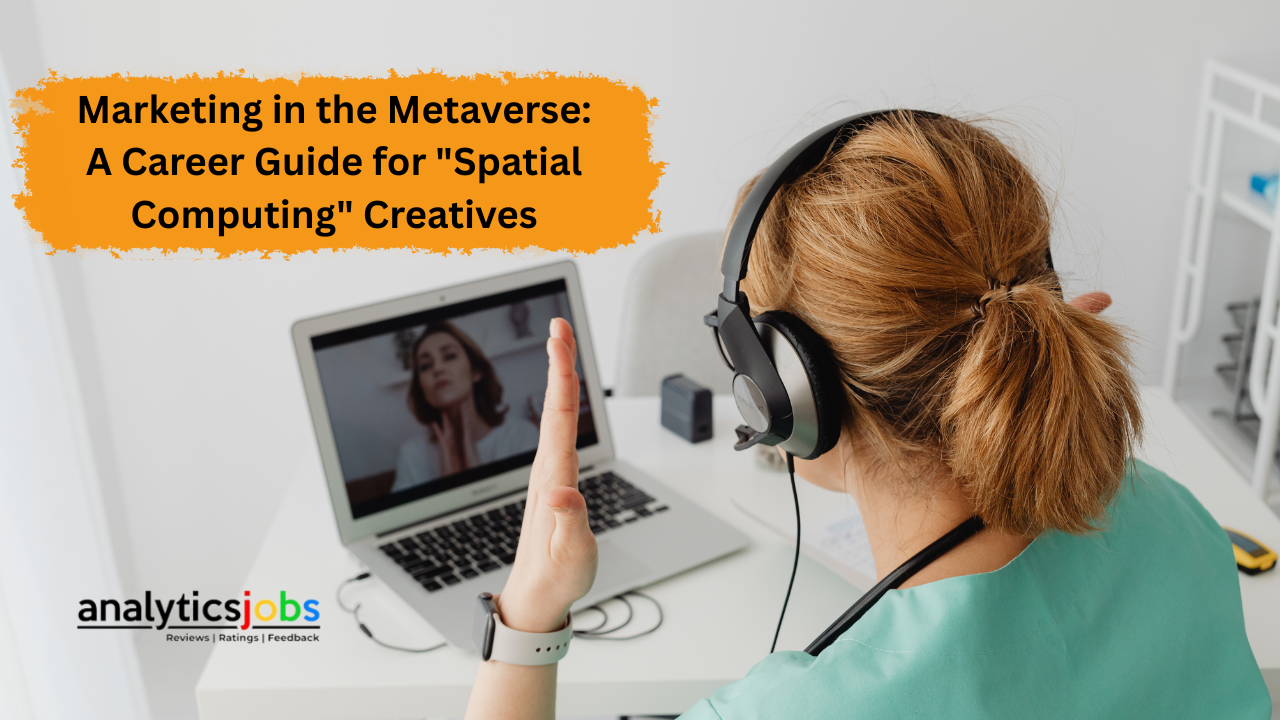
The metaverse is no longer a futuristic buzzword—it’s rapidly becoming a functional layer of our digital lives. With Apple Vision Pro, Meta Quest, Niantic’s AR ecosystem, and dozens of emerging spatial platforms, spatial computing is reshaping how people interact with brands, products, and each other. As companies race to build immersive experiences, the demand for creative professionals who can market inside these 3D worlds is exploding.
If you’re a designer, storyteller, strategist, or technology enthusiast looking to build a future-proof career, marketing in the metaverse presents a powerful new frontier. This guide breaks down what the field involves, the skills you need, and how to position yourself as a go-to creative in this fast-growing domain.
Why the Metaverse Needs Marketers More Than Ever
Traditional digital marketing focuses on screens—websites, apps, social feeds. But spatial computing shifts this paradigm entirely. Instead of clicking, users step into branded spaces, try products in 3D, interact with holograms, and participate in immersive story-driven environments.
This presents marketers with unprecedented opportunities:
1. Immersive Brand Storytelling
Brands can create explorable worlds instead of static ads—think virtual pop-ups, interactive billboards, or AR try-ons that respond to user movement.
2. Hyper-Personalized Experiences
Spatial devices collect contextual data such as user gestures, gaze tracking, positional behavior, and environmental cues. This enables deeply personalized marketing experiences (when used ethically).
3. Community-Driven Commerce
Influencers, creators, and communities thrive in 3D spaces. Virtual events, NFT-based loyalty programs, and social gaming activations all rely heavily on marketing expertise.
4. Convergence of Roles
Designers, marketers, and developers increasingly collaborate to build cohesive spatial experiences. This opens doors for hybrid creative careers.
Career Opportunities for Spatial Computing Creatives
The metaverse marketing ecosystem spans countless functions. Here are some of the most in-demand roles:
1. Spatial Experience Designer
You design immersive brand worlds, interactive product demos, or AR filters using tools like Unity, Unreal, Blender, Adobe Aero, or Apple’s visionOS frameworks.
2. Virtual Brand Strategist
You conceptualize campaigns that live inside VR worlds, gaming platforms, or persistent AR environments.
3. Metaverse Content Creator
Creators capable of producing holograms, volumetric videos, 3D avatars, and immersive storytelling assets are highly sought after.
4. Community & Growth Manager (3D ecosystems)
Brands need professionals to build, engage, and scale communities within spatial platforms and decentralized worlds.
5. Digital Fashion & Product Designer
Virtual apparel, skins, accessories, and 3D product assets form an expanding digital economy.
6. Data & Interaction Analyst
Spatial computing produces new forms of behavioral data—movement patterns, gaze insights, engagement heatmaps—requiring marketers who understand analytics in 3D contexts.
Skills You Need to Succeed in Metaverse Marketing
1. Spatial Thinking and 3D Design Literacy
Even if you’re not a 3D artist, understanding spatial storytelling, navigation, lighting, and user perception is essential.
2. Understanding of AR/VR Platforms
Familiarity with devices and ecosystems—from Meta Quest to Apple Vision Pro—helps you design platform-specific marketing experiences.
3. Creative Technology Awareness
You don't need to code, but knowing how engines like Unity or Unreal work will help you collaborate with developers effectively.
4. Data Fluency
Spatial experiences generate measurable behavior patterns. Being able to analyze them enables insight-driven marketing.
5. Brand & Consumer Psychology
The metaverse intensifies emotional engagement. Understanding user motivation, immersion, and digital identity is key.
6. Experimentation Mindset
This is a new field. Success favors creatives who prototype, test, and iterate quickly.
How to Start a Career in Metaverse Marketing
1. Build a Portfolio of Immersive Mini-Projects
Create simple AR filters, virtual rooms, or concept activations. Even small demos show employers you understand spatial storytelling.
2. Learn Spatial Tools—Strategically
You don't need to master every tool. Start with:
-
Adobe Aero (easy AR)
-
Blender (3D modeling)
-
Unity (real-time interactive experiences)
-
Reality Composer Pro (visionOS) (Apple AR workflows)
3. Follow Industry Trends
Track evolving spatial platforms, AI-generated 3D content, volumetric video pipelines, and digital commerce innovations.
4. Network with XR & Web3 Creatives
Join XR Discords, attend virtual conferences, and collaborate on small metaverse activations to gain experience.
5. Understand Ethical Immersive Marketing
Spatial computing introduces new privacy and sensory considerations. Brands increasingly value marketers who ensure ethical design and user safety.
The Future of Marketing Belongs to Spatial Creatives
The metaverse will not replace the internet; it will expand it. Over the next decade, almost every brand will need professionals who can design and market immersive, 3D-native experiences. From virtual real estate to holographic influencers, from AR walkthrough shopping to mixed-reality concerts—spatial computing creatives are shaping the next era of engagement.
If you aspire to merge creativity, technology, and strategy, the metaverse offers a career landscape full of open doors. Start experimenting, build your portfolio, stay curious, and commit to lifelong learning. This is one of the rare moments in history where early adopters can shape an entirely new marketing discipline.
As spatial marketing grows more data-driven, many creatives expand into analytics-focused roles. If you're exploring such pathways, you may find these resources helpful:
-
Beginners curious about analytical career transitions often search for guides like <a href="https://www.example.com/how-to-become-a-data-scientist">How to become a Data Scientist</a>, which provides clarity on skills and tools needed in the data domain.
-
Many aspiring professionals also look for student experiences through <a href="https://www.example.com/scaler-academy-reviews">Scaler Academy reviews</a> to evaluate structured learning programs.
-
Those aiming to strengthen analytics foundations frequently compare options for the <a href="https://www.example.com/best-data-science-course">Best data science course
 </a>, especially as data insights become crucial in metaverse marketing.

 Arabic
 Français
 Español
 Português
 Deutsch
 Türkçe
 Dutch
Dutch
 Italiano
 Russian
 Romaian