


When Should You Use a Transformer Oil Regeneration Machine?
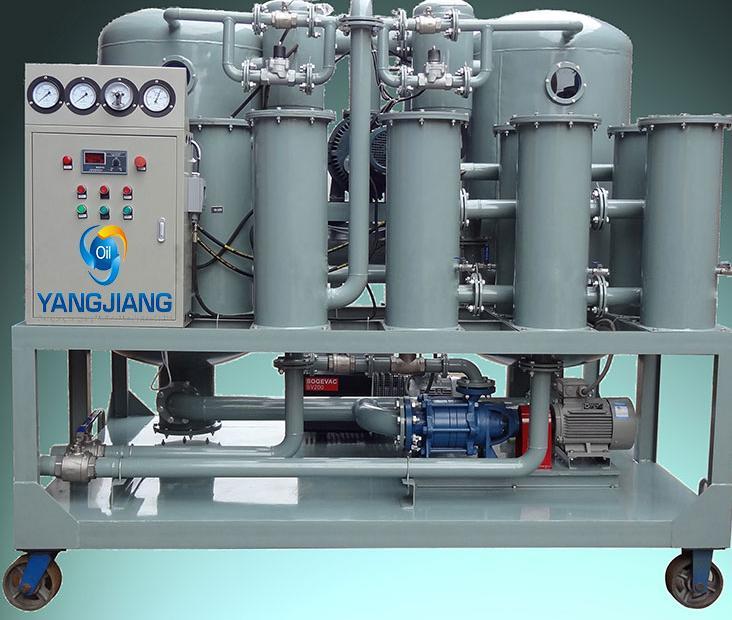
Transformer oil is the lifeblood of an electrical transformer, serving as both a critical insulator and an effective coolant. Over time, however, this oil degrades due to thermal stress, electrical arcing, moisture ingress, and oxidation. This contamination compromises the transformer’s efficiency, reliability, and lifespan. While oil replacement is an option, a transformer oil regeneration machine offers a sophisticated, cost-effective, and sustainable alternative. But when exactly should you deploy this technology?
1. Deteriorating Dielectric Strength
The primary function of transformer oil is electrical insulation. If regular testing shows a consistent decline in dielectric strength (often measured in kV), it indicates the presence of water, particles, or soluble contaminants. When dielectric values fall near or below minimum standards (e.g., IEEE Std 62), regeneration is urgently needed to restore insulating properties and prevent catastrophic failures.
2. Elevated Water Content (High PPM)
Moisture is a transformer’s enemy, accelerating oil degradation and cellulose insulation (paper) ageing. If oil tests reveal moisture levels exceeding recommended limits (typically >25-35 ppm for older units, or as per manufacturer specs), regeneration is advised. A regeneration machine effectively removes free and dissolved water, safeguarding the solid insulation.
3. Increased Acidity (Neutralization Number)
Oxidation produces acidic by-products that corrode internal components and aggressively degrade the paper insulation. A rising acid number (Total Acid Number - TAN > 0.1 - 0.2 mg KOH/g, depending on voltage class) is a clear warning sign. Regeneration removes these acids, halting the corrosive cycle and extending transformer life.
4. High Interfacial Tension (IFT) and Increased Sludge Formation
Low IFT signals the presence of polar contaminants and oxidation products. As these contaminants increase, they form sludge. Sludge deposits on windings and core, impairing heat transfer and potentially causing hotspots. If tests indicate sludge formation or a significant drop in IFT, regeneration can dissolve and remove these precursors before they cause irreversible damage.
5. Elevated Dissolved Gas Analysis (DGA) Values without Fault Conditions
While DGA primarily diagnoses internal faults, certain gases like carbon oxides (CO, CO₂) indicate paper ageing. Combined with high moisture and acidity, this suggests general ageing that regeneration can mitigate. If the oil is contaminated but the transformer is electrically sound, regeneration is an excellent preventive measure.
6. As a Proactive Maintenance Strategy
The best time to use a regeneration machine is before critical limits are breached. Integrating oil regeneration into a predictive maintenance program—based on trend analysis of the parameters above—keeps the oil in “like-new” condition indefinitely, maximizing transformer investment and avoiding unplanned outages.
7. Prior to or After a Major Electrical Event
Following an internal arc, severe overload, or through-fault, oil may become contaminated with carbon and other breakdown products. Regeneration cleans the oil, making it fit for service and allowing for a clearer assessment of any residual damage to solid insulation.
Conclusion
Using a transformer oil regeneration machine is not merely a corrective action; it is a cornerstone of modern asset management. Key triggers include declining dielectric strength, high moisture and acidity, sludge formation, and proactive maintenance scheduling. By restoring oil to its original specification, regeneration ensures operational safety, enhances grid reliability, and delivers substantial economic and environmental benefits over wholesale oil replacement.

 Arabic
 Français
 Español
 Português
 Deutsch
 Türkçe
 Dutch
Dutch
 Italiano
 Russian
 Romaian