


Key Factors Distributors Should Consider When Sourcing Aluminium Cookware
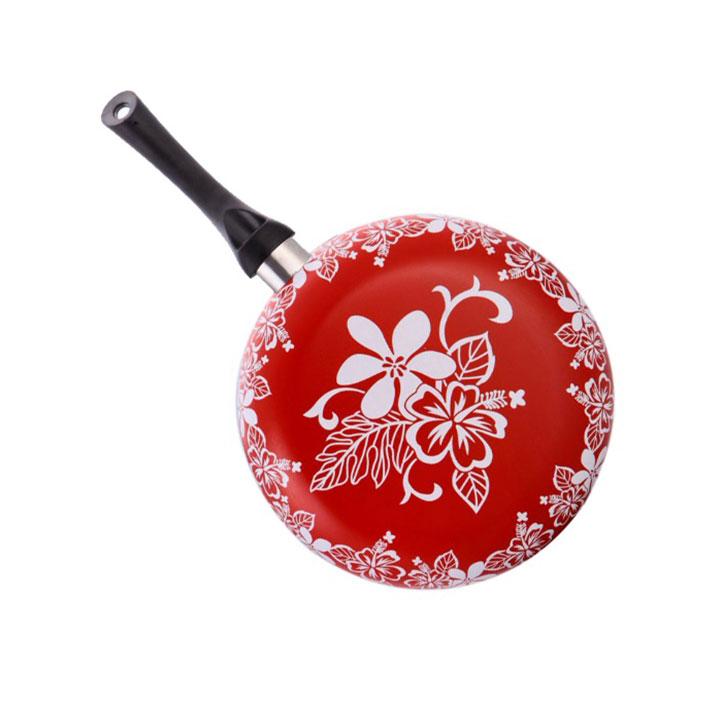
For kitchenware distributors, aluminium cookware from manufacturer remains a staple category due to its excellent heat conductivity, affordability, and lightweight properties. However, not all aluminium cookware is created equal. Sourcing the right products requires careful consideration of several critical factors that impact quality, safety, and market appeal. This guide outlines what distributors should prioritize when selecting aluminium cookware manufacturers and products.
1. Material Grade and Safety Standards
Food-Grade Aluminium: Ensure the cookware is made from food-grade aluminium, typically 3003, 3004, or 8011 alloys. These are designed to be non-reactive and safe for cooking.
Safety Coatings: Since bare aluminium can react with acidic foods, most modern cookware features non-stick or ceramic coatings. Verify that these coatings are PFOA-free, PTFE-based (if non-stick), or certified non-toxic. Request compliance certificates (like FDA, LFGB, or EU standards) to guarantee safety.
2. Manufacturing Process and Durability
Construction Method:
Stamped vs. Forged: Stamped aluminium is lightweight and cost-effective but may warp under high heat. Forged (or hard-anodized) aluminium is denser, more durable, and resistant to warping and scratching.
Hard-Anodized Aluminium: This electrochemical process thickens the oxide layer, making the surface harder than steel, non-reactive, and non-stick without coatings. It's a premium choice for longevity.
Check for reinforced rims, encapsulated bases (for induction compatibility), and robust handle attachments.
3. Heat Distribution and Performance
Aluminium excels at heat conduction, but uniformity matters. Look for products with:
Thick, multi-ply bases (often combined with stainless steel or copper cores) to prevent hot spots.
Lid fit and venting to retain moisture and heat efficiently.
Request performance test data from manufacturers on heat distribution.
4. Aesthetic and Functional Design
Finish and Colors: Does the cookware offer visual appeal through brushed finishes, colorful ceramic coatings, or sleek hard-anodized surfaces?
Ergonomics: Handles should be heat-resistant, securely riveted, and comfortable. Lids should have stay-cool knobs.
Stackability and Storage: Space-efficient designs are a selling point for consumers with small kitchens.
5. Certifications and Compliance
Ensure the manufacturer adheres to international standards:
Food Safety: FDA (USA), LFGB (Germany), CE (Europe).
Non-Stick Coatings: Free from PFOA, lead, and cadmium.
Quality Management: ISO 9001 certification indicates consistent production standards.
6. Minimum Order Quantities (MOQs) and Pricing
Balance cost with quality. Lower prices may mean compromised materials or coatings. Transparent pricing and flexible MOQs help distributors manage inventory risk. Consider FOB vs. EXW terms and shipping costs.
7. Manufacturer’s Reputation and Reliability
Research the supplier: Look for years in business, client testimonials, and references from other distributors.
Sample Evaluation: Always order physical samples to test weight, balance, non-stick performance, and overall feel before committing.
Production Capacity and Lead Times: Can they meet your demand spikes reliably?
8. Packaging and Branding Support
Retail-Ready Packaging: Does the cookware come in attractive, protective boxes? Can it be customized with your branding?
Marketing Materials: Look for manufacturers who provide high-quality product images, detailed spec sheets, and point-of-sale displays.
9. Environmental and Ethical Considerations
Increasingly, consumers value sustainability. Ask about:
Recycled Aluminium Content: Some manufacturers use a high percentage of recycled material.
Coating Environmental Impact: Water-based coating processes are greener.
Factory Ethics: Social accountability certifications (like BSCI) can be a plus.
Conclusion
Sourcing aluminium cookware profitably requires looking beyond price. By prioritizing safety, durability, performance, and manufacturer reliability, distributors can build a cookware range that earns consumer trust and drives repeat business. Partner with manufacturers who provide transparency and quality, and your brand will benefit from reduced returns and stronger customer loyalty.

 Arabic
 Français
 Español
 Português
 Deutsch
 Türkçe
 Dutch
Dutch
 Italiano
 Russian
 Romaian