


How Does a Hydrogen Water Bottle Work?
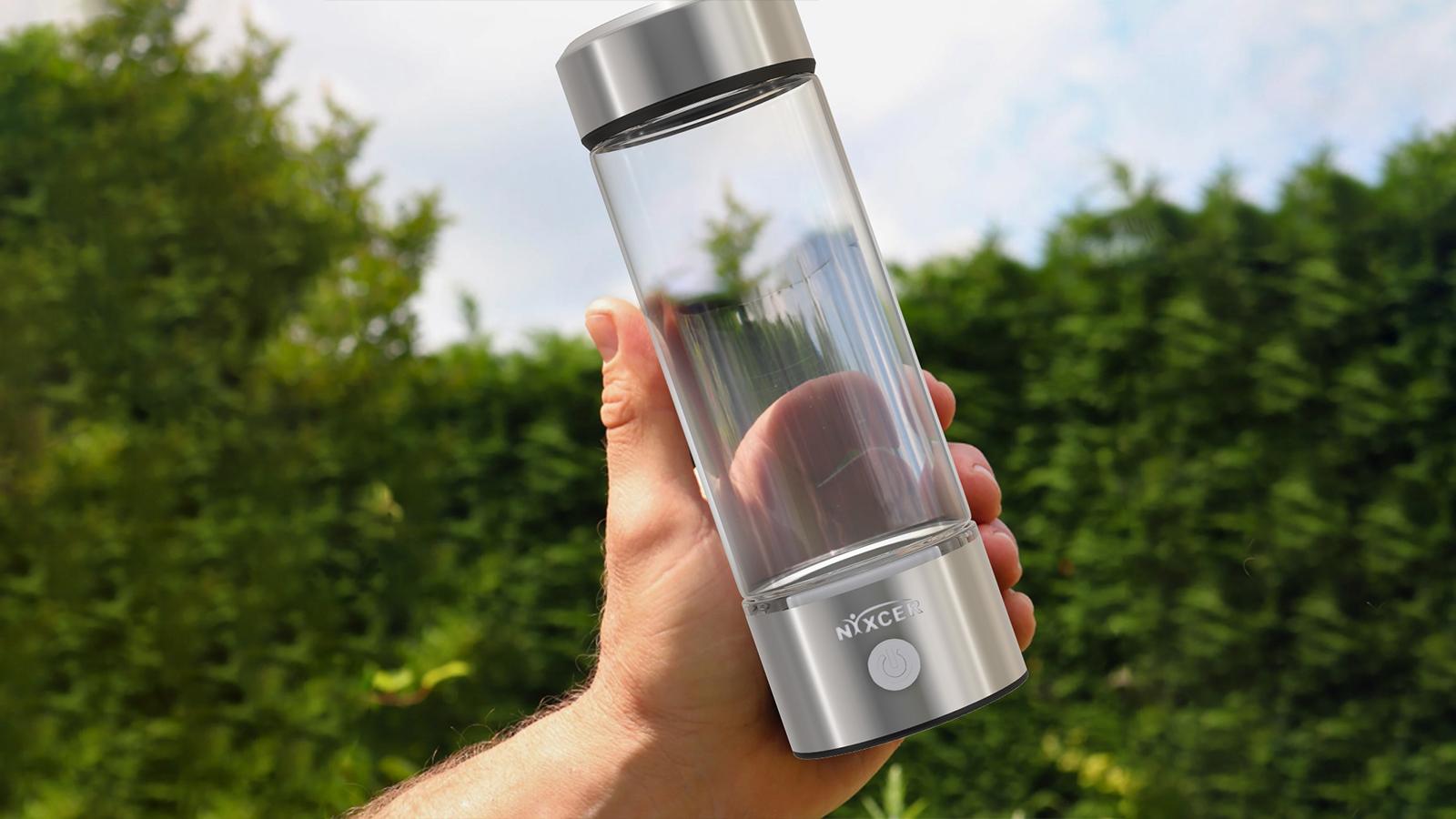
Hydrogen water bottles have become more popular. They used to be just for a small group of people who were interested in health, but now more people are buying them. They first came up in research labs and health forums in Japan and South Korea. Now, you can find them in gyms, offices, and everyday carry bags around the world.
But a lot of people are still asking a simple question: What’s the deal with this hydrogen water bottle? How does it work?
What Is a Hydrogen Water Bottle?
A hydrogen water bottle is a portable device designed to produce hydrogen-rich water, also known as hydrogen water. This type of water contains dissolved molecular hydrogen (H₂)—a colorless, odorless gas.
It’s important to clarify what hydrogen water is not:
- It is not alkaline water
- It does not significantly change the pH of water
- It does not add minerals or electrolytes
Instead, its defining feature is the presence of dissolved molecular hydrogen, which some studies associate with antioxidant behavior.
A hydrogen water bottle allows users to generate this water on demand, rather than buying pre-bottled hydrogen water or using large countertop machines.
How Does a Hydrogen Water Bottle Work?

At the heart of every hydrogen water bottle is a controlled electrolysis system. While the science behind it can sound complex, the basic idea is surprisingly straightforward.
The Basic Principle: Water Electrolysis
Hydrogen water bottles work by applying an electrical current to water, a process known as electrolysis.
When electricity passes through water:
- At the negative electrode (cathode), hydrogen gas (H₂) is produced
- At the positive electrode (anode), oxygen gas (O₂) is produced
The goal of a hydrogen water bottle is to retain the hydrogen while safely separating or releasing the oxygen.
Why PEM or SPE Technology Is Used
Modern hydrogen water bottles typically rely on PEM (Proton Exchange Membrane) or SPE (Solid Polymer Electrolyte) technology.
These membranes act like highly selective filters:
- They allow protons (hydrogen ions) to pass through
- They keep hydrogen and oxygen separated
- They prevent unwanted byproducts (like ozone or chlorine gas) from entering the water
This technology is widely used because it:
- Improves safety
- Increases hydrogen purity
- Produces more consistent hydrogen concentrations
Without a membrane system, electrolysis would be far less controlled—and far less suitable for drinking water.
How Hydrogen Stays in the Water
Hydrogen gas is extremely light and escapes quickly into the air. To counter this, hydrogen water bottles are designed to:
- Generate hydrogen immediately before drinking
- Use sealed or semi-sealed bottle designs
- Encourage consumption soon after production
Hydrogen concentration is typically measured in parts per million (ppm). Portable bottles often produce hydrogen levels between 0.3 and 1.6 ppm, depending on design, cycle length, and water quality.
This is why hydrogen water is best consumed fresh, rather than stored for long periods.
How Did Hydrogen Water Bottles Become Popular?
The rise of hydrogen water bottles didn’t happen overnight.
Early Research and Regional Adoption
Much of the early interest in hydrogen water came from:
- Japanese medical research institutions
- University-led studies on oxidative stress
- Wellness and longevity communities in East Asia
Hydrogen water was initially available through:
- Medical devices
- Home hydrogen generators
- Pre-packaged hydrogen water in aluminum pouches
Portable bottles emerged later as technology became smaller, safer, and more affordable.
The Shift Toward Functional Water Bottles
As consumers became more interested in functional hydration, water bottles evolved beyond simple containers.
We’ve seen the rise of:
- Insulated bottles for temperature control
- Filter bottles for taste and contaminants
- UV water bottles for microbial safety
Hydrogen water bottles fit naturally into this trend, appealing to people who see hydration as part of a broader health routine.
Why Do People Buy Hydrogen Water Bottles?
While curiosity plays a role, most buyers are motivated by specific needs.
Health and Wellness Curiosity
Many users are drawn by the idea that molecular hydrogen may help:
- Neutralize certain free radicals
- Support recovery after exercise
- Complement a health-conscious lifestyle
For these users, a hydrogen water bottle is less about treating illness and more about optimizing daily habits.
Convenience Compared to Hydrogen Water Machines
Hydrogen water was once limited to:
- Large countertop machines
- Expensive bottled products
Portable bottles offer:
- On-the-go use
- Lower upfront cost
- No installation or maintenance complexity
This makes them attractive to travelers, office workers, and gym-goers.
Lifestyle and Technology Appeal
There’s also a psychological component. Hydrogen water bottles sit at the intersection of:
- Wellness
- Technology
- Minimalist lifestyle gear
For some users, the appeal lies as much in innovation and design as in function.
Hydrogen Water Bottle vs. UV Water Bottle
Hydrogen water bottles are often compared to UV water bottles, but the two serve very different purposes.
| Feature | Hydrogen Water Bottle | UV Water Bottle |
|---|---|---|
| Primary function | Adds dissolved hydrogen | Disinfects water |
| Core technology | Electrolysis (PEM/SPE) | UV-C light |
| Changes water composition | Yes (adds hydrogen) | No |
| Focus | Wellness & functional hydration | Water safety & hygiene |
| Typical use case | Daily drinking, recovery | Travel, outdoor use |
In short:
- Hydrogen water bottles aim to enhance water
- UV water bottles aim to protect water
They are not direct substitutes, and some users even choose to use both depending on context.
What to Know Before Buying a Hydrogen Water Bottle
Not all hydrogen water bottles are created equal. Understanding a few key factors can help avoid disappointment.
Hydrogen Concentration and Cycle Time
Higher ppm numbers are often used in marketing, but real-world effectiveness depends on:
- Consistency
- Water volume
- How quickly the water is consumed
Longer electrolysis cycles do not always mean better results.
Materials and Safety
Quality bottles typically use:
- Food-grade Tritan, glass, or stainless steel
- Titanium electrodes with platinum coating
Poor materials can affect durability, taste, and long-term safety.
Battery Life and Maintenance
Hydrogen water bottles are electronic devices. Buyers should consider:
- Charging method (USB-C is increasingly common)
- Expected lifespan of the electrolysis module
- Ease of cleaning
They are not “set and forget” products, but maintenance is usually minimal.
Managing Expectations
Perhaps the most important consideration is mindset.
A hydrogen water bottle:
- Is not a medical device
- Does not replace a balanced diet or healthy habits
- Works best as a supplementary wellness tool
Users who approach it with realistic expectations tend to be the most satisfied.
Who Is a Hydrogen Water Bottle Best For?
Hydrogen water bottles may be a good fit for:
- People already invested in wellness routines
- Athletes or physically active individuals
- Users interested in functional hydration products
They may be less suitable for:
- Those only concerned with basic water safety
- Users who prefer zero-maintenance products
- Anyone expecting immediate or dramatic health changes
Final Thoughts: Is a Hydrogen Water Bottle Worth It?
The device uses electrolysis and membrane technology to split hydrogen molecules into their constituent parts, creating water. The result is a fresh, hydrogen-rich drink that’s ready to go whenever you are.
Whether it’s “worth it” depends less on the technology and more on the user. If you’re into hydration for a healthy lifestyle, hydrogen water bottles are a great choice. Some people just want a simple bottle.
As with many modern wellness tools, it’s important to understand what the product can and can’t do to make the right choice.
 Deutsch
 English
 Arabic
 Français
 Español
 Português
 Türkçe
 Dutch
Dutch
 Italiano
 Russian
 Romaian