


R panel roofing
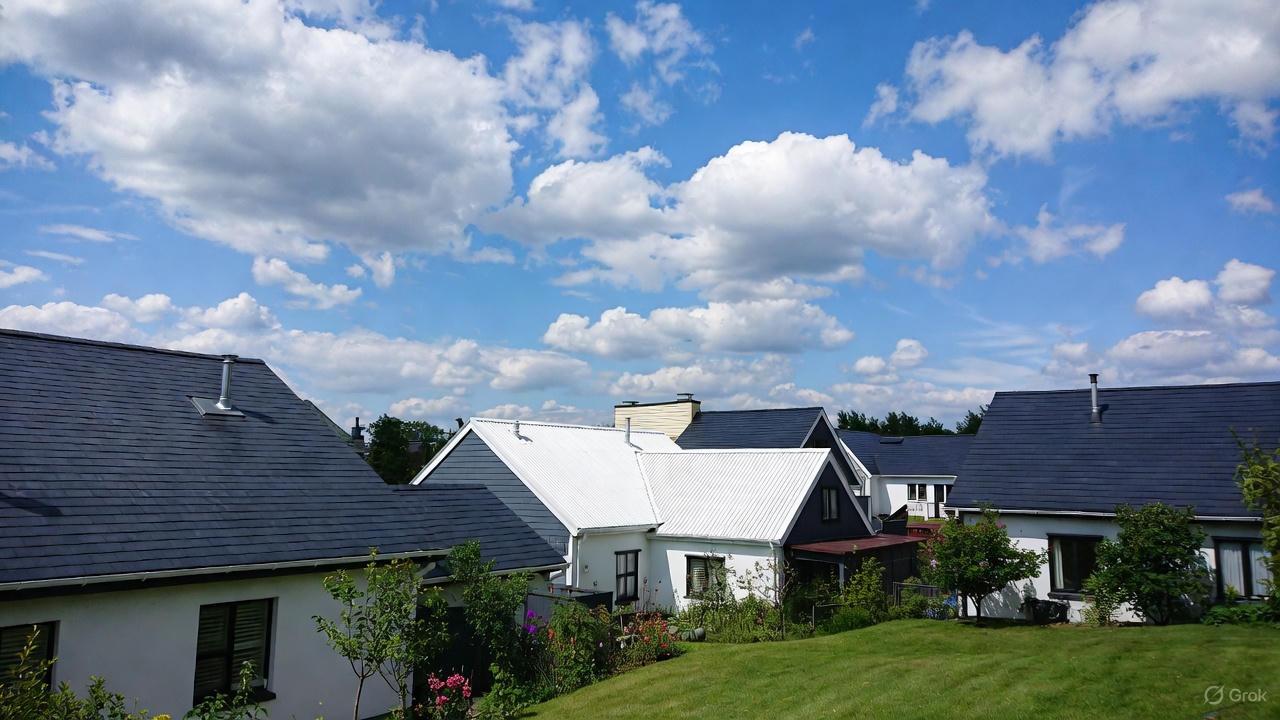
R Panel Roofing: Benefits, Costs, Installation, and Real-World Uses
I’ve installed r panel roofing on everything from backyard shops to full-scale agricultural buildings, and I’ll say this upfront: when people want durability without unnecessary complexity, R panel is usually where I steer them.
It’s not trendy.
It’s not flashy.
But it works—and it works hard.
Let’s break down what you actually need to know before buying or installing metal roofing r panel, including mistakes I’ve seen firsthand.
What Is R Panel Roofing?
R panel roofing is a ribbed metal roofing panel with exposed fasteners.
Each panel typically has 1¼-inch ribs spaced 12 inches apart, giving it strength without overengineering.
I’ve used it mostly on:
-
Barns and pole buildings
-
Warehouses
-
Garages
-
Workshops
-
Budget-minded residential homes
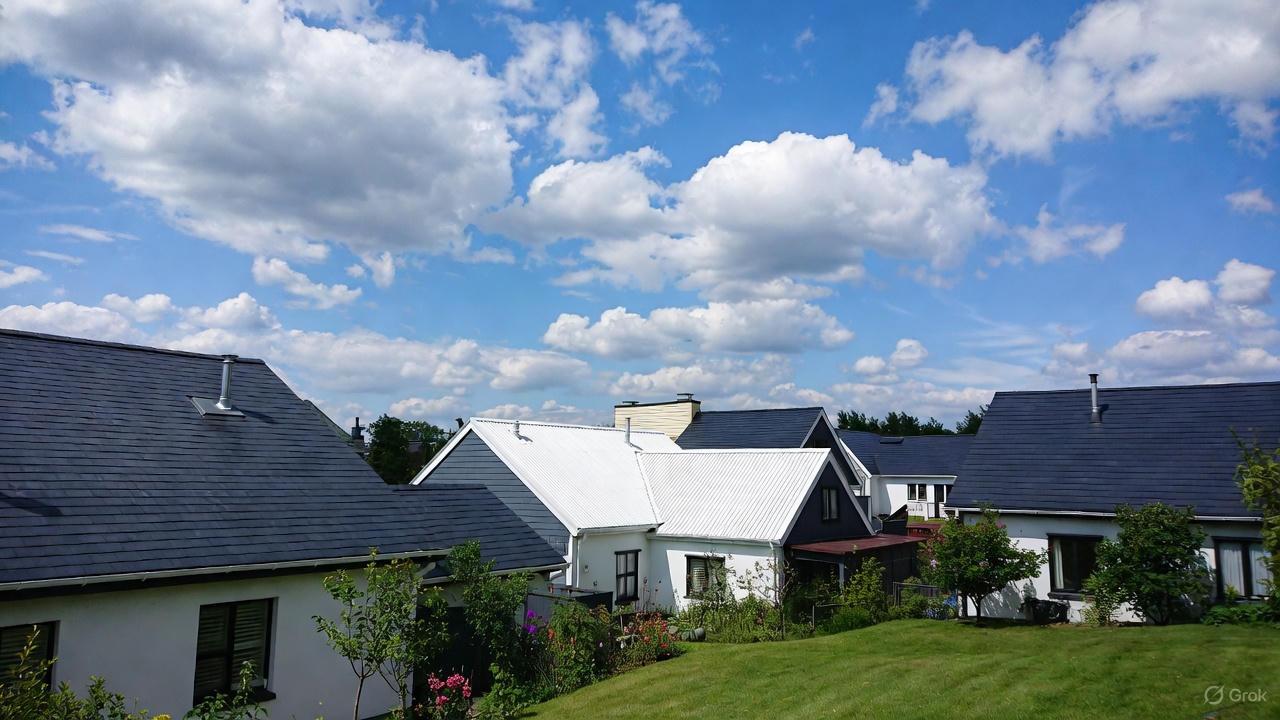
If someone asks me about roofing shingles & tiles r panel, I explain this clearly: R panel isn’t decorative like shingles or tiles—it’s structural.
That’s the trade-off.
Why R Panel Roofing Is So Popular
Durability is the headline feature.
I’ve gone back to jobs 15 years later where the panels looked almost identical to install day, minus a little dust and sun fade.
Benefits I see on every job:
-
High wind resistance
-
Fire resistance
-
Low maintenance
-
Fast installation
-
Excellent water shedding
If you’re in a storm-heavy area, R panel doesn’t pretend—it just performs.
R Panel vs PBR Panel: A Real Comparison
I get asked about r panel vs pbr panel constantly.
Here’s the honest difference, not the brochure version.
R Panel Roofing
-
No purlin bearing leg
-
Requires solid decking or closer framing
-
Slightly cheaper
-
Easier for DIY installs
PBR Panel Roofing
-
Includes bearing leg
-
Spans purlins better
-
Stronger for commercial use
-
Slightly higher cost
On large metal buildings, I usually recommend pbr panel roofing.
For garages, homes, and shops?
R panel does just fine
Installation: Lessons From the Field
Installing r panel roofing is straightforward—but only if you respect the details.
I’ve watched rushed installs fail in under two years due to sloppy fastening.
Key installation rules I never break:
-
Use neoprene washer screws only
-
Fasten in the flat, not the rib
-
Allow for thermal expansion
-
Square the first panel perfectly
Miss any of these, and leaks will find you.
I once repaired a roof where the installer skipped sealant at the ridge cap.
Every rainstorm turned the attic into a science experiment.
Cost Breakdown: Price R Panel Roofing Explained
The price r panel roofing depends heavily on gauge, finish, and location.
From my recent supplier invoices:
-
Panels: $1.25–$3.50 per square foot
-
Fasteners and trim: $0.50–$1.00 per square foot
-
Installed cost: $4.50–$9.00 per square foot
Color coatings cost more but last longer.
Bare galvanized saves money short-term, but paint systems win over time.
Finding R Panel Roofing Nearby
Searching for r panel roofing nearby can be tricky if you only check big box stores.
I’ve had better luck with:
-
Local metal roofing manufacturers
-
Agricultural supply yards
-
Regional steel distributors
Local suppliers also let you order exact panel lengths, which reduces waste.
That alone can save hundreds.
R Panel Roofing for Sale: What to Watch For
When browsing r panel roofing for sale, especially online, inspect specs carefully.
Red flags include:
-
Unknown steel thickness
-
No warranty details
-
Inconsistent rib spacing
-
No certification labels
I once tested bargain panels that oil-canned so badly they looked dented before install.
Cheap steel shows itself quickly.
Reviews R Panel Roofing: What Users Get Right (and Wrong)
Most reviews r panel roofing focus on durability—and that’s accurate.
Where people complain is usually installer error, not material failure.
Common review complaints I’ve investigated:
-
Leaks from over-tightened screws
-
Rust from improper cuts
-
Noise due to missing underlayment
Installed correctly, R panel doesn’t deserve the blame it sometimes gets.
Real-World Use Cases From My Jobs
One of my favorite projects was a 40x60 workshop for a machinist.
We used dark gray metal roofing r panel with a synthetic underlayment.
Five years later, zero leaks, zero callbacks.
Another job involved retrofitting an old shingle roof.
The homeowner debated roofing shingles & tiles r panel, but once they saw the lifespan difference, the decision was easy.
Noise, Heat, and Comfort Concerns
Metal roofs get unfairly labeled as noisy.
With insulation and underlayment, R panel is no louder than asphalt.
Heat reflection depends on color.
Lighter panels reduce attic temperatures noticeably—I’ve measured drops of 15–20°F.
That’s not theory.
That’s thermometer data.
Maintenance: What I Actually Recommend
R panel roofing isn’t maintenance-free, but it’s close.
Once a year:
-
Check fasteners
-
Clean debris
-
Inspect trim sealant
That’s it.
No granules.
No cracking.
No curling.
Final Thoughts From the Roof
After hundreds of installs, I trust r panel roofing for clients who want reliability over ornamentation.
It’s honest roofing.
Whether you’re comparing r panel vs pbr panel, checking price r panel roofing, or searching for r panel roofing for sale, the material will only perform as well as the install.
Get the details right, and R panel will quietly protect your building for decades.
And that, in this trade, is about the highest praise a roof can earn.

 Arabic
 Français
 Español
 Português
 Deutsch
 Türkçe
 Dutch
Dutch
 Italiano
 Russian
 Romaian