


Constipation Diet for Piles
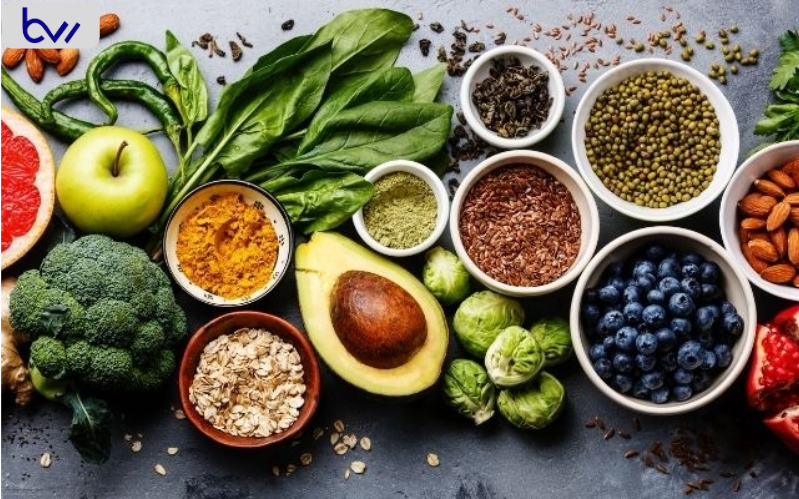
Constipation Diet for Piles and Digestive Comfort | Bestwrites
A Constipation Diet for Piles is essential for reducing discomfort, improving bowel movements, and supporting long-term digestive comfort. Piles, also known as hemorrhoids, often develop when constipation causes hard stools and repeated straining during bowel movements. Poor digestion increases pressure on rectal veins, leading to pain, swelling, and irritation.
Medical experts widely recommend dietary changes as a safe and effective way to manage piles. A constipation-focused diet helps soften stools, ease bowel movements, and naturally prevent flare-ups of piles.
Why Constipation Worsens Piles
Constipation is one of the leading causes of piles. When stools are hard to pass, people tend to strain, which puts excess pressure on the anal veins. Over time, this pressure causes swelling and inflammation.
A diet that supports smooth digestion reduces the need for straining and allows piles to heal while preventing new symptoms from developing.
Key Elements of a Constipation Diet for Piles
1. High Dietary Fiber Intake
Fiber is the most essential part of a constipation diet. It adds bulk to stool and helps it pass easily through the intestines.
There are two main types of fiber:
-
Soluble fiber, found in fruits, oats, and legumes, helps soften stool
-
Insoluble fiber, found in whole grains and vegetables, helps move stool through the gut
Both types are essential for digestive comfort and relief from piles.
2. Adequate Hydration
Fiber works best when combined with enough fluids. Drinking water throughout the day helps fiber absorb moisture, preventing stools from becoming dry and hard.
Healthcare professionals stress that hydration is just as important as fiber in managing constipation and piles.
Best Foods to Include in a Constipation Diet
3. Whole Grains
Whole grains are excellent for relieving constipation. Foods such as oats, brown rice, whole wheat bread, barley, and quinoa improve bowel regularity.
Replacing refined grains with whole grains helps reduce constipation and supports piles recovery.
4. Fruits That Improve Digestion
Fruits are natural stool softeners. Apples, pears, bananas, berries, papaya, figs, and oranges provide fiber, water, and digestive enzymes.
Papaya and figs are especially helpful for easing constipation and improving bowel comfort.
5. Vegetables for Bowel Regularity
Vegetables are essential in a constipation diet for piles. Leafy greens like spinach, kale, and lettuce are high in fiber and water content. Other vegetables such as carrots, broccoli, pumpkin, zucchini, and sweet potatoes support digestion.
Eating vegetables daily helps prevent hard stools and reduces piles pain.
Additional Foods That Support Digestive Comfort
6. Legumes and Beans
Lentils, chickpeas, kidney beans, black beans, and peas are rich in fiber and plant-based protein. These foods help bulk up stool and stimulate bowel movement.
Including legumes several times a week supports long-term digestive health.
7. Nuts and Seeds
Nuts and seeds such as almonds, walnuts, flaxseeds, and chia seeds provide fiber and healthy fats. These fats help lubricate the digestive tract, making bowel movements easier.
Soaked flaxseeds and chia seeds are particularly effective for constipation relief.
8. Probiotic-Rich Foods
Yogurt with live cultures, kefir, and fermented foods help balance gut bacteria. A healthy gut improves digestion and stool consistency.
Probiotics work well alongside fiber-rich foods to support piles relief.
Foods to Avoid in a Constipation Diet for Piles
Certain foods can worsen constipation and piles symptoms. Processed foods, white bread, fast food, fried items, and sugary snacks are low in fiber and slow digestion.
Spicy foods, excessive caffeine, and alcohol may irritate the digestive system and should be limited during piles recovery.
Expert Tips for Better Results
Health professionals recommend increasing fiber intake gradually to avoid bloating or gas. Regular physical activity, proper toilet habits, and consistent meal timing also improve bowel function.
Long-term dietary consistency is more effective than short-term changes for managing constipation and piles.
Final Thoughts
A constipation diet for piles focuses on fiber-rich foods, proper hydration, and digestive-friendly nutrition. Whole grains, fruits, vegetables, legumes, nuts, seeds, and probiotic foods help soften stools and reduce strain.
By following a balanced diet and maintaining healthy habits, digestive comfort can improve and piles symptoms can be managed naturally and effectively.
 Deutsch
 English
 Arabic
 Français
 Español
 Português
 Türkçe
 Dutch
Dutch
 Italiano
 Russian
 Romaian