


Electric Cast Iron Radiators: Period Charm without the Pipework
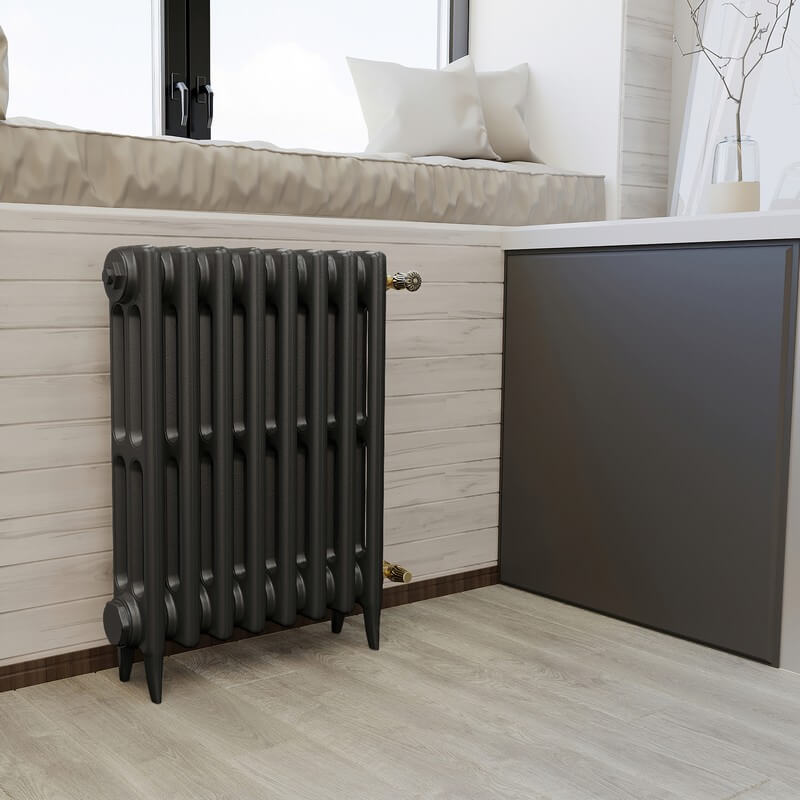
The architectural soul of a property often resides in its details. From the intricate cornicing of a Georgian townhouse to the raw, industrial brickwork of a converted loft, the aesthetic integrity of a space is defined by how well its functional elements blend with its history. For decades, interior designers and homeowners have faced a frustrating binary choice: install authentic, wet-system heating that requires invasive, expensive plumbing, or resort to modern electric heaters that look like plastic afterthoughts. This compromise is no longer necessary. The emergence of electrified heritage heating has bridged the gap, offering a solution that honors the visual language of the past while embracing the plug-and-play convenience of the future.
The shift towards electric heating is not merely a trend driven by the decline of gas boilers; it is a response to the changing nature of how we inhabit our homes. In many period properties, extending a central heating system is a logistical nightmare involving lifted floorboards, chased walls, and the risk of damaging centuries-old fabric. Electric alternatives allow us to bypass the boiler entirely, placing heat exactly where it is needed without a single copper pipe being laid. This technology represents the ultimate decoupling of form from infrastructure, allowing the heavy, ornate beauty of Victorian engineering to exist independently of a hydronic system.
The Decoupling of Heat and Hydraulics
For the longest time, the presence of a substantial, columned radiator implied the presence of a boiler, a network of pipes, and a central thermostat. The radiator was merely the terminal end of a vast, water-filled organism. Electrification changes this paradigm completely. By embedding the heat source directly into the unit, the radiator becomes an autonomous entity. It transforms from a passive vessel waiting for hot water into an active, independent generator of warmth. This independence is particularly vital for listed buildings or apartments where structural alterations are strictly prohibited or prohibitively expensive.
This autonomy also changes the way we zone our heating. In a traditional wet system, heating a single cold room often requires firing up the entire boiler loop, wasting energy heating pipes that run through empty corridors. An electric unit operates in isolation. You can heat a drafty home office in the attic or a guest bedroom in a new extension without waking up the rest of the house. It allows for a granular level of climate control that wet systems struggle to match without complex zoning valves. The result is a heating solution that feels permanent and substantial, yet operates with the agility of a modern appliance.
The Physics of Electrified Thermal Mass
The primary argument for choosing heavy metal units over flimsy steel panels has always been heat retention. When we transition to electric power, this argument becomes even more compelling. Standard electric convection heaters are notorious for their "on-off" nature—the moment the power cuts, the heat vanishes, leaving the air feeling thin and cold. Cast iron radiators solve this problem through their sheer density and weight. The material acts as a formidable thermal battery, absorbing the energy generated by the internal electrical element and releasing it slowly as deep, radiant warmth.
In an electric setup, this thermal mass smoothes out the operation of the heating element. Instead of the element cycling rapidly on and off to maintain temperature—which can be inefficient and create fluctuating room temperatures—the iron body modulates the release of energy. Once the radiator is up to temperature, the electrical consumption drops significantly because the iron continues to emit heat even when the element is paused. This creates a heating profile that is remarkably similar to a traditional wet system, providing that familiar, enveloping warmth that penetrates furniture and walls, rather than just scorching the air and creating dust-carrying convection currents.
Inside the Iron: Fluid-Filled vs. Dry Elements
Understanding the internal mechanics of these units is crucial for discerning buyers. There are generally two methods used to electrify these heritage designs. The most common is the fluid-filled approach, where the radiator is sealed and filled with a thermodynamic fluid—often a mixture of water and glycol to prevent freezing and corrosion. An immersion element is inserted into the base, heating the fluid which then circulates via convection within the columns of the radiator. This mimics the physics of a central heating system almost exactly, ensuring the entire surface area of the radiator gets hot.
The alternative is 'dry heat' or thermal core technology, though this is less common in true vintage-style reproductions. The fluid-filled method is generally preferred for period reproductions because it ensures an even surface temperature. The glycol mix is critical; it conducts heat efficiently and protects the internal iron from rusting, which is a closed-loop system necessity. Because the system is sealed, there is no maintenance required—no bleeding of air, no balancing of valves, and no topping up of pressure. It is a "fit and forget" solution that delivers the tactile experience of a hot radiator without the gurgling pipes or the risk of leaks associated with plumbed versions.
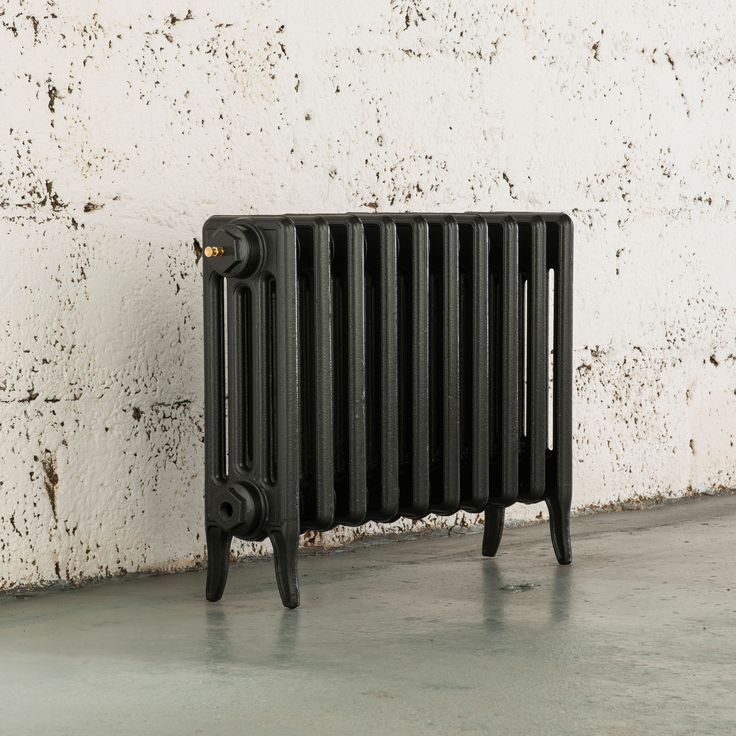
Liberating Interior Design from the Pipe Run
One of the most restrictive aspects of interior design in older homes is the dictatorial nature of pipework. Radiators in wet systems are usually placed under windows or on specific walls, not because it is the best place for furniture layout, but because that is where the pipes could most easily reach. Electric versions shatter these constraints. A freestanding electric unit can be placed on an internal wall, in a conservatory, or even in the center of a room if the cabling is managed correctly.
This flexibility allows for creative freedom that was previously impossible. You can now place a statement piece in a hallway that never had plumbing, or add supplemental heating to a bathroom without ripping up the tiled floor. The only requirement is a standard electrical outlet or a fused spur. This is a game-changer for renovations of protected structures where chasing channels into stone walls is illegal. You simply position the radiator, plug it in, and the installation is complete. It preserves the architectural sanctity of the room while providing the necessary BTU output to keep it habitable.
The Invisible Integration of Modern Control
A common fear is that an electric radiator will come with an ugly, plastic control panel glued to its side, ruining the vintage aesthetic. However, high-end manufacturers have recognized that the illusion of authenticity is paramount. The best electric examples on the market are visually indistinguishable from their plumbed counterparts. The power cables are often woven in fabric to resemble period-appropriate flex, and the heating elements are discreetly tucked away at the bottom of the unit.
The real magic, however, lies in the control systems. We have moved far beyond the simple "high/low" dial. Modern electric heritage radiators can be integrated with sophisticated wireless thermostats and smart home systems. You can have a radiator that looks like it was cast in 1890, but is controlled by an app on your smartphone in 2025. These wireless receivers can be hidden behind the unit or wall-mounted elsewhere in the room, constantly monitoring the ambient temperature and modulating the power input to the radiator to maintain precision comfort. This marriage of Victorian aesthetics and silicon-chip logic provides the best of both worlds: the look of the past with the efficiency of the present.
Installation Economics and the Renovation Timeline
When calculating the cost of heating a property, one must look beyond the unit price and consider the installation ecosystem. A wet system requires a gas safe engineer, a plumber, floorboard lifters, and decorators to patch up the mess left behind. The labor cost often exceeds the cost of the hardware itself. With electric cast iron units, the labor cost is negligible. If a plug socket exists, the installation time is measured in minutes, not days.
This speed is invaluable for project managers and homeowners working to tight deadlines. There is no need to drain the system, no need to wait for a plumber's availability, and no risk of a new radiator unbalancing the pressure of the existing boiler setup. For extensions or garden rooms, this is particularly advantageous. Running a new hot water circuit to a detached garden office is often cost-prohibitive due to the trenching and insulation required for the pipes. An electric cable, however, is cheap and easy to run. By choosing an electric radiator for such spaces, you get the grand aesthetic appropriate for a high-end study without the civil engineering project required to plumb it in.
The Environmental Argument for Electric Heritage
As the world moves away from fossil fuels, the gas boiler is slowly becoming an endangered species. The grid is becoming greener every year, with more electricity generated from wind, solar, and nuclear sources. By switching to electric heating, you are future-proofing your home’s energy consumption. While electricity is currently more expensive per unit than gas, the efficiency of point-of-use heating helps narrow the gap. There is zero transmission loss with an electric radiator; 100% of the electricity used is converted into heat. In contrast, wet systems lose heat through the pipe runs under the floors and in the walls before the water even reaches the radiator.
Furthermore, these heavy units are built to last virtually forever. Unlike cheap panel heaters that might last five or ten years before their electronic components fail or their casings rust, a cast iron body is practically indestructible. If the electrical element were to fail after a decade or two, it can simply be unscrewed and replaced without scrapping the radiator itself. This modularity and longevity make them a highly sustainable choice, reducing the cycle of consumption and waste associated with cheaper, disposable heating appliances.
Tailoring the Finish to the Era
The versatility of electric models extends to their finish. Because they are not dependent on a specific manufacturer’s boiler system, they can be customized to an extraordinary degree. From polished bare metal that suits an industrial warehouse conversion to hand-painted Farrow & Ball hues that match a Georgian drawing room, the options are limitless. The electric element does not limit the finishing process.
This allows homeowners to treat the radiator as a piece of furniture rather than just infrastructure. In a bedroom, a soft cream or pastel finish can make the radiator blend into the wall panelling, while in a living area, a burnished gold or copper finish can turn it into a focal point. The lack of pipes also means the finish remains pristine; there are no ugly copper tails or plastic pipe covers rising from the floor to distract from the radiator’s feet. The visual silhouette is clean, uncluttered, and entirely faithful to the period look, maintained purely by the hidden electrical cord.
Navigating the Wattage and Output Requirements
Selecting the right electric radiator requires a slightly different calculation than selecting a wet one. With a boiler, you have some leeway because you can adjust the flow temperature. With electric, the wattage is fixed. It is essential to perform a precise heat loss calculation for the room to ensure the chosen element is powerful enough. A 2000-watt element might be needed for a large, high-ceilinged room, while a 600-watt element suffices for a small study.
It is also worth noting that the physical size of the radiator dictates the maximum wattage of the element. You cannot put a powerful 2000-watt element into a small 4-section radiator because there isn't enough surface area to dissipate the heat, and the fluid would boil. Therefore, larger rooms still require larger radiators, preserving the proportional aesthetic that makes these units so attractive. The relationship between the electrical input and the physical mass of the iron is a delicate balance that manufacturers have perfected, ensuring that the surface temperature remains safe while optimizing the radiant output.
Conclusion
The evolution of home heating has often demanded a sacrifice: efficiency at the cost of character, or beauty at the cost of convenience. The electric cast iron radiator is one of the few products that demands no such compromise. It respects the architectural lineage of our most treasured properties, offering the grandeur, weight, and tactile quality of traditional heating, yet it is powered by the clean, adaptable energy of the future.

 English
 Arabic
 Français
 Español
 Português
 Deutsch
 Türkçe
 Dutch
Dutch
 Italiano
 Romaian