


How Game Art Outsourcing Helps Reduce Game Development Costs
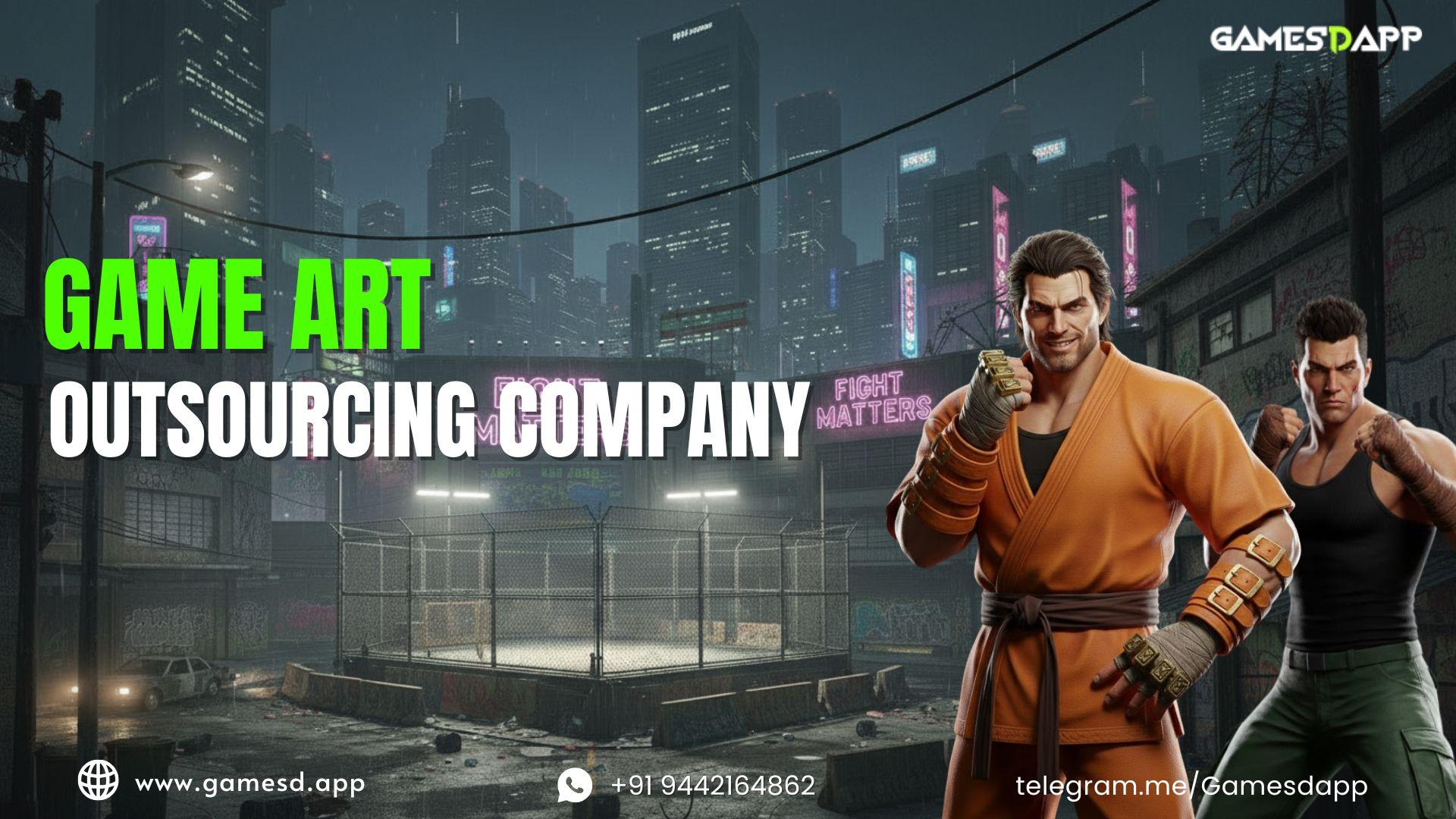
Game development has become increasingly expensive as player expectations continue to rise. High-resolution visuals, detailed environments, complex characters, and consistent art styles across platforms demand significant time and resources. Art production alone can consume a major share of the total development budget, especially for visually driven games.
Maintaining these standards with an in-house team often leads to rising fixed costs, longer production cycles, and budget pressure—particularly for studios managing multiple projects or live updates.
What Is Game Art Outsourcing?
Game Art Outsourcing is the process of partnering with external art studios or dedicated teams to create visual assets for a game. These teams work alongside internal developers, following defined art styles, technical specifications, and production timelines.
Outsourcing can cover everything from concept art and character design to full-scale 2D, 3D, UI, animation, and environment assets. Instead of building large internal art departments, studios use outsourcing to stay flexible, cost-efficient, and production-ready.
In-House vs Game Art Outsourcing: A Cost Efficiency Comparison
Choosing between in-house art teams and outsourcing directly impacts a studio’s cost structure and long-term scalability.
Cost Breakdown: In-House Art Teams vs Outsourced Studios
In-house teams require continuous investment—salaries, benefits, recruitment costs, paid leave, and performance management. Even during slow production phases, these costs remain fixed.
With game art outsourcing, studios operate on a project-based or milestone-based cost model. You pay only for the assets produced, making budgets predictable and easier to control. This model significantly reduces financial risk, especially for shorter or experimental projects.
Fixed Costs vs Variable Costs in Game Art Production
In-house teams create fixed costs that scale poorly. Outsourced art teams convert these into variable costs that scale with demand. This flexibility allows studios to align spending directly with production needs, avoiding unnecessary overhead while maintaining quality.
Reducing Hiring & Infrastructure Costs Through Outsourced Art Teams
One of the most immediate benefits of outsourcing game art is eliminating the heavy costs associated with hiring and infrastructure.
Eliminating Recruitment, Training & Employee Overheads
Hiring skilled game artists takes time and money. Beyond recruitment, studios must invest in onboarding, training, and ongoing HR management. Outsourced teams arrive production-ready, removing ramp-up delays and long-term employment costs.
Avoiding Software, Hardware & Studio Infrastructure Expenses
High-performance systems, licensed software, rendering tools, and secure infrastructure add substantial expenses. Outsourced art teams already operate with professional-grade setups, allowing studios to bypass these investments entirely while still receiving production-quality assets.
Access to Specialized Game Artists Without Long-Term Commitments
Modern games demand a wide range of artistic expertise that is difficult to maintain in-house efficiently.
On-Demand Access to 2D, 3D, UI & Concept Art Specialists
Outsourcing provides immediate access to specialists across disciplines—character artists, environment designers, UI/UX experts, and animators—without hiring full-time staff for each role. This ensures higher-quality output for every asset type.
Scaling Talent Based on Game Genre & Art Style
Different projects require different styles, whether realistic, stylized, or casual. Outsourced teams allow studios to scale talent based on genre, platform, and visual direction, without locking budgets into long-term commitments.
Faster Production Timelines That Lower Overall Development Costs
Speed plays a critical role in controlling game development costs.
Parallel Art Production & Agile Workflows
Outsourced teams work in parallel with internal developers, reducing bottlenecks and enabling faster asset delivery. This parallel production model shortens development cycles and improves coordination between art and engineering.
How Faster Asset Delivery Reduces Time-to-Market Costs
Faster production leads to earlier launches, quicker testing, and reduced burn rates. Over time, these efficiencies translate into lower overall development costs and better revenue timing, especially in competitive markets.
Scalable Art Pipelines for Indie Studios & Growing Game Companies
Game art outsourcing enables studios to scale production without financial strain. Indie studios gain access to professional-quality art without massive upfront investment, while growing companies can handle multiple projects or live updates without expanding internal teams. This scalability ensures consistent quality while keeping budgets under control.
Why Choose GamesDapp for Game Art Outsourcing
GamesDapp is a trusted Game Art Outsourcing Company that helps studios reduce development costs without compromising visual quality. With experienced artists, structured production pipelines, and scalable engagement models, GamesDapp delivers production-ready game art aligned with your creative vision, timelines, and budget—making it easier to build visually compelling games efficiently.

 English
 Arabic
 Français
 Español
 Português
 Deutsch
 Türkçe
 Dutch
Dutch
 Italiano
 Romaian