


Why Leather Chinks Are a Must-Have for Western Riders
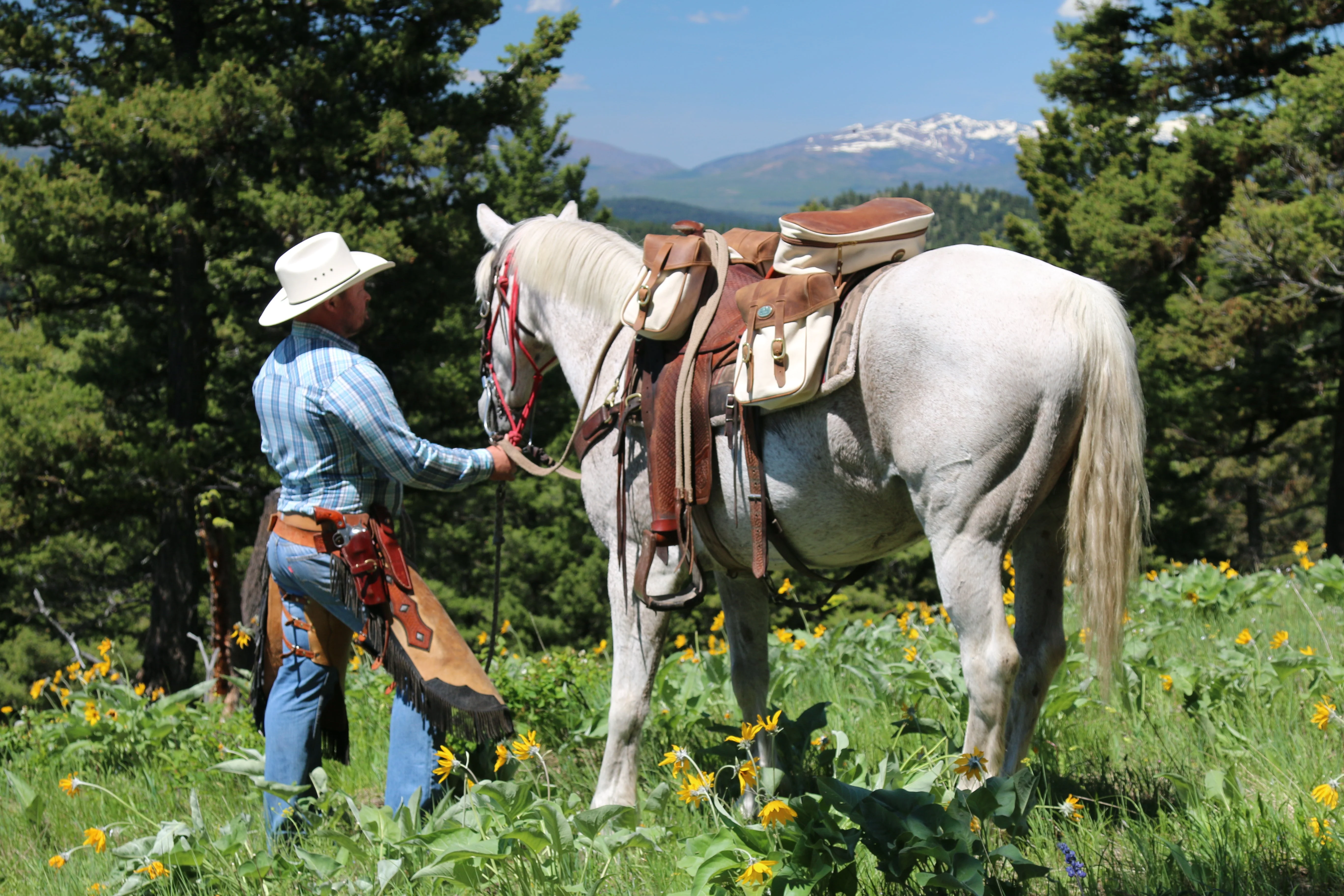
Western riding is more than a sport or lifestyle—it is a tradition built on heritage, hard work, and practicality. Every piece of gear used by riders has evolved over generations to serve a clear purpose, balancing protection, comfort, and style. Among these essentials, leather chinks stand out as one of the most versatile and functional items in Western riding apparel. Whether you are working cattle, competing in rodeos, or riding trails, leather chinks offer a unique combination of mobility, durability, and classic Western appeal.
Unlike full-length legwear, chinks provide targeted protection without restricting movement, making them a preferred choice for riders who demand flexibility. Over time, they have become an iconic part of cowboy culture, valued not only for function but also for their distinctive look. This article explores why leather chinks are considered a must-have for Western riders, how they compare to traditional leather cowboy chaps, and what makes them an enduring favorite across generations.
Understanding Leather Chinks
Leather chinks, commonly referred to as chinks, are a type of Western riding legwear that extends from the waist to just below the knee. They are shorter than traditional full-length chaps, which is what gives them their signature look and functionality.
The defining features of chinks leather include:
-
Durable leather construction
-
Open lower leg design for mobility
-
Fringe or decorative elements rooted in Western tradition
-
Adjustable waist and thigh fit
Unlike leather cowboy chaps, which cover the entire leg down to the ankle, chinks are designed to protect the upper leg while allowing airflow and ease of movement. This makes them especially popular in warmer climates and during long working hours.
The Historical Roots of Leather Chinks
The origins of leather chinks can be traced back to the working cowboys of the American West. Early riders needed protection from brush, thorns, rough saddle leather, and unpredictable livestock. While full chaps offered excellent protection, they were often heavy, hot, and restrictive.
Leather chinks emerged as a practical solution. Their shorter length reduced weight and heat while still protecting the most vulnerable parts of the leg. Over time, they became widely used by ranch hands, trail riders, and rodeo competitors.
As Western culture evolved, chinks leather also became a symbol of identity. Fringe, tooling, and conchos were added not just for decoration but to reflect regional styles and personal pride. Today, leather chinks continue to represent the balance between tradition and function.
Why Leather Chinks Are Essential for Western Riders
1. Superior Mobility and Comfort
One of the main reasons riders choose chinks leather is the freedom of movement they provide. Their shorter design allows:
-
Easier mounting and dismounting
-
Better leg contact with the horse
-
Less restriction during long rides
Compared to leather cowboy chaps, chinks feel lighter and less confining, especially during active ranch work or competitive riding.
2. Reliable Protection Where It Matters Most
Leather chinks protect the thighs and hips—the areas most exposed to:
-
Brush and thorns
-
Saddle friction
-
Rope burn during ranch work
-
Accidental contact with livestock
While they do not cover the lower leg like leather cowboy chaps, many riders pair them with boots or additional leg gear to achieve balanced protection.
3. Breathability for Long Riding Hours
Western riding often takes place in hot, dusty environments. Full-length chaps can trap heat and moisture, leading to discomfort and fatigue.
Chinks leather allows better airflow around the lower legs, helping riders stay cooler during long days on horseback. This makes them especially popular for:
-
Summer riding
-
Trail riding
-
Ranch work in warm climates
4. Durability Built for Real Work
High-quality leather chinks are made from strong materials such as cowhide or buffalo leather. These leathers are chosen for their ability to withstand:
-
Abrasion from brush
-
Repeated saddle contact
-
Daily wear and tear
With proper care, chinks leather can last for many years, making them a smart investment for serious Western riders.
Cultural Significance in Western Riding
Leather chinks represent more than utility. They symbolize:
-
Independence
-
Hard work
-
Respect for Western tradition
Much like leather cowboy chaps, they are a visual reminder of the cowboy spirit and the values associated with Western riding culture.
Chinks Leather vs. Leather Cowboy Chaps
Both leather chinks and leather cowboy chaps serve important roles in Western riding, but they are designed for different needs.
Leather Chinks
-
Shorter length
-
Lighter and more flexible
-
Ideal for warm weather and active riding
-
Preferred for ranch work and trail rides
Leather Cowboy Chaps
-
Maximum protection
-
Heavier and more structured
-
Common in colder weather and rodeo events
Many experienced riders own both and choose based on the conditions and riding purpose.
Styling Leather Chinks the Western Way
Leather chinks are not just functional—they are a powerful style statement.
Traditional Riding Style
-
Worn over jeans
-
Paired with cowboy boots
-
Matched with a leather belt and hat
Rodeo and Event Wear
-
Decorative tooling and fringe
-
Coordinated colors
-
Often combined with custom leather cowboy chaps for competition
Casual Western Fashion
-
Used in Western-themed events
-
Styled with classic denim
-
Emphasizes rugged heritage
Their versatility allows riders to express both tradition and individuality.
Materials Used in High-Quality Leather Chinks
The quality of chinks leather depends heavily on the materials used. Common options include:
Cowhide Leather
-
Durable and affordable
-
Balanced flexibility and strength
-
Most commonly used material
Buffalo Leather
-
Thicker and tougher
-
Ideal for rugged environments
-
Slightly heavier but extremely long-lasting
Suede or Split Leather
-
Softer and lighter
-
More decorative than functional
-
Often used for fashion or light riding
Choosing the right leather depends on how and where the chinks will be used.
Craftsmanship and Design Details
Well-made leather chinks are defined by their craftsmanship. Important elements include:
-
Reinforced stitching for strength
-
Adjustable belts and thigh straps
-
Smooth inner lining to prevent chafing
-
Evenly cut fringe for balance and style
These details separate high-quality chinks leather from lower-grade options and directly impact comfort and longevity.
Caring for Chinks Leather
Proper care ensures leather chinks remain functional and attractive for years.
Maintenance Tips
-
Clean with a damp cloth after use
-
Condition leather periodically to prevent drying
-
Avoid soaking or excessive heat
-
Store in a cool, dry place
Well-maintained chinks leather ages beautifully, developing character without losing strength.
Who Should Wear Leather Chinks?
Leather chinks are ideal for:
-
Working cowboys and ranchers
-
Trail riders and outdoor enthusiasts
-
Rodeo participants
-
Western fashion lovers
Whether you are an experienced rider or new to Western gear, chinks leather provides a comfortable and reliable option that adapts to many riding styles.
Final Thoughts
Chinks leather has earned its reputation as a must-have for Western riders by delivering comfort, protection, and timeless style. Their lightweight design, durable construction, and cultural significance make them an essential piece of riding gear. While leather cowboy chaps offer full-leg coverage, leather chinks provide a versatile alternative that many riders find better suited for daily use.
For anyone serious about Western riding—whether on the ranch, the trail, or in the arena—investing in quality leather chinks is a decision rooted in tradition, practicality, and enduring Western pride.


 English
 Arabic
 Français
 Español
 Deutsch
 Türkçe
 Dutch
Dutch
 Italiano
 Russian
 Romaian