


Terracotta Tiles for Every Room: Style Meets Durability
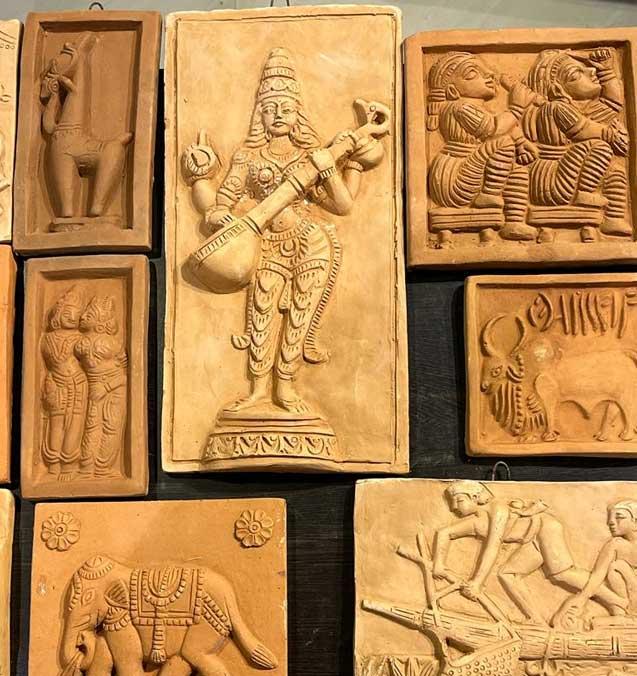
Terracotta tiles have become a beloved flooring choice in homes because they combine natural beauty, durability, and timeless style. Whether you’re renovating your kitchen, upgrading your bathroom, or creating a cozy living room, terracotta tiles offer a warm, inviting look that works across diverse design styles. In this in‑depth guide, we’ll explore why terracotta tiles are an excellent choice for every room, how to choose the right type, how they compare with other flooring options, and practical tips for installation and care.
What Are Terracotta Tiles?
Terracotta tiles are clay‑based tiles that are shaped and then baked at a high temperature. The word “terracotta” literally means baked earth (from Italian terra cotta), and these tiles retain a natural, earthy tone that’s often reddish, orange, or brown. They have been used in flooring and roofing for centuries, particularly in Mediterranean and Spanish‑inspired design.
How Terracotta Is Made
- Clay Preparation – Natural clay is mined and mixed with water to form a workable substance.
- Shaping – The clay is molded into tiles using presses or by hand.
- Drying – Tiles dry slowly to remove moisture.
- Firing – Terracotta tiles are fired in a kiln at temperatures between 1,000°–2,000°F, which hardens the clay and creates long‑lasting tile.
This process creates tiles that are porous and textured, with subtle color variation that gives each piece its own character.
Why Choose Terracotta Tiles? (Benefits & Unique Qualities)
Terracotta tiles are popular not just for their look. They bring several practical advantages to interior spaces.
Timeless Aesthetic Appeal
Terracotta’s warm, earthy tones bring a natural warmth to any room. Unlike ultra‑polished modern tiles, terracotta looks handcrafted and unique, with a classic aesthetic that suits both traditional and contemporary interiors.
Durability You Can Count On
With proper installation and maintenance, terracotta tiles can last for decades. Because they are fired at high temperatures, they resist wear, cracks, and heavy foot traffic better than many other natural flooring options.
Comfortable Underfoot
Terracotta holds warmth well, making floors feel comfortable to walk on — especially valuable in cooler climates. When paired with underfloor heating, they become even more comfortable year‑round.
Eco‑Friendly Material
Terracotta is made from abundant natural clay and requires less processing than many synthetic flooring products. This means a smaller environmental footprint — a plus for eco‑conscious homeowners.
Versatility Across Design Styles
Whether your home is modern minimalist, rustic farmhouse, or Mediterranean inspired, terracotta tiles adapt easily. They pair beautifully with wood, stone, metal, and neutral color palettes.
Where to Use Terracotta Tiles in Your Home
Let’s explore how terracotta tiles perform across different rooms and why they can be a great choice for each space.
Living Room
Terracotta flooring makes a living room feel cozy and inviting. Its warm tones create an immediate sense of comfort and grounding.
Best practices for living rooms:
- Use larger tiles (e.g., 12"x12" or larger) for an open feel.
- Pair with area rugs to soften seating areas and protect high‑traffic zones.
- Choose matte or low‑sheen finishes to enhance the natural look.
Kitchen
Kitchens see heavy foot traffic and potential spills, so it’s important that terracotta tiles in this space are properly sealed.
Why terracotta works well in kitchens:
- Its natural texture helps hide crumbs and light stains.
- With a high‑quality sealant, it resists water and food stains.
- Terracotta complements wood cabinets & stone countertops.
Bathroom
Though terracotta is naturally porous, a well‑sealed installation can make it suitable for bathroom floors and even shower surrounds.
Tips for bathroom use:
- Apply multiple layers of sealant to protect against water.
- Use slip‑resistant finishes to improve safety.
- Pair with lighter grout to prevent mold buildup.
Entryway & Hallways
These areas endure heavy wear, so durability is key. Terracotta tiles are up to the challenge and their warm hues help disguise everyday wear.
Design suggestion: Combine terracotta with patterned tiles near doorways to create visual interest and define space.
Outdoor Patios
While many terracotta tiles are rated for indoor use, certain varieties are suitable for outdoor spaces such as patios or garden walkways. Outdoor terracotta tiles are typically denser and fired at higher temperatures for weather resistance.
Important note: If your region gets frost or heavy rain, select frost‑resistant terracotta and ensure proper drainage.
Terracotta Tiles vs. Other Flooring Options
Choosing the right floor involves comparing options. Here’s how terracotta stacks up against popular alternatives.
Terracotta vs. Ceramic Tile
Ceramic tile is made from refined clay and often glazed for a uniform finish. Terracotta is more natural and rustic.
| Feature | Terracotta | Ceramic |
|---|---|---|
| Look | Earthy, varied | Uniform, glossy/matte |
| Porosity | More porous | Less porous |
| Sealing needs | Requires sealing | Often doesn’t require sealing |
| Style | Rustic, warm | Many styles, modern to classic |
Terracotta offers a unique artistic character, while ceramic can offer more variety in color and pattern.
Terracotta vs. Porcelain Tile
Porcelain tile is dense, durable, and often water‑resistant without sealing.
- Porcelain excels in bathrooms and high‑moisture areas.
- Terracotta wins on natural warmth and traditional aesthetics.
If moisture resistance is a priority without continuous maintenance, porcelain might be preferable, but terracotta offers unmatched charm.
Terracotta vs. Hardwood
Hardwood floors are classic and elegant, but are susceptible to scratches, water damage, and warping. Terracotta is more water‑resilient and generally more durable for kitchens or entryways.
How to Choose the Right Terracotta Tile
Selecting terracotta tiles involves considering finish, size, shape, and tone.
Finishes
- Natural (Unglazed): Authentic and rustic. Requires more maintenance and sealing.
- Glazed Terracotta: Has a protective surface layer that resists stains and moisture.
- Tumbled: Slightly rounded and softer edges for an aged look.
Tile Size & Shape
- Large Tiles: Create a modern, open feel.
- Small/Patterned Tiles: Add detail and visual texture, ideal for kitchens or entryways.
- Rectangular and Herringbone Patterns: Add depth in hallways and living rooms.
Color & Tone
Terracotta naturally comes in warm hues — from pale orange to deep red. Choose lighter tones to brighten small spaces, and deeper hues for cozy, grounded rooms.
Installation: What You Need to Know
Terracotta installation is best handled by professionals familiar with this material, but knowing the basics helps you make informed decisions.
Preparing the Subfloor
A stable, flat subfloor is essential. Irregularities can cause cracking.
Mortar & Grout
Use flexible thin‑set mortar that can accommodate slight shifts. Choose grout that complements your tile color — lighter grout opens up the space, darker grout hides dirt.
Sealing
Because terracotta is porous, sealing is non‑negotiable. Apply:
- Penetrating sealant before grouting to protect the tile
- Top coat after installation for added protection
Re‑seal periodically based on usage and manufacturer recommendations.
Professional vs. DIY
Installing terracotta requires skill, especially for large spaces or outdoor areas. While DIY is possible for experienced installers, hiring a professional ensures optimal results and longevity.
Caring for Terracotta Tiles
Proper maintenance keeps your floors looking great and extends their life.
Daily Cleaning
- Sweep or vacuum to remove dirt.
- Mop with a pH‑neutral cleaner to avoid stripping sealant.
- Avoid harsh chemicals.
Handling Stains
Wipe spills immediately. For tough stains, a mild cleaner designed for natural stone works well.
Resealing
Terracotta needs resealing every 1–3 years depending on traffic and wear. Signs you need to reseal include water soaking into the tile instead of beading up.
Common Mistakes to Avoid
Understanding pitfalls helps you avoid costly issues down the road.
Skipping Sealing
Terracotta without proper sealing can stain, discolor, or absorb water — especially in kitchens and bathrooms.
Using Harsh Cleaners
Abrasive or acidic cleaners can damage the tile surface and compromise sealants over time.
Ignoring Subfloor Prep
Uneven floors lead to cracking and tile damage. Proper leveling matters.
Frequently Asked Questions (SEO‑Friendly Q&A)
What makes terracotta tiles unique?
Terracotta is made from natural clay and fired at high temperatures, creating warm, earthy tones and a rustic texture that differs from glazed ceramic or porcelain.
Are terracotta tiles suitable for bathrooms?
Yes, with high‑quality sealing and slip‑resistant finishes. Proper sealing prevents water absorption, making them viable for floors and wet areas.
How long do terracotta tiles last?
With good installation and maintenance, terracotta can last 20–50 years or more. Their longevity rivals many natural flooring options.
Do terracotta tiles need resealing?
Yes. Sealing protects them from stains and moisture. Reseal every 1–3 years based on use.
Can terracotta tiles go outdoors?
Certain types are suitable for outdoor patios and walkways, but choose frost‑resistant varieties and ensure proper drainage.
Real‑World Inspiration & Practical Tips
Homeowners everywhere are rediscovering terracotta tiles for their versatility. In Mediterranean villas, they bring authenticity. In modern lofts, they add contrast and texture. In kitchens, they make functional spaces feel warm and grounded.
Design tip: Pair terracotta with natural wood furniture and soft textiles for a balanced, inviting room.
Consider combining terracotta tiles with patterned cement tiles in transition areas (like kitchens or entryways) to create design rhythm.
Conclusion: Why Terracotta Tiles Work Everywhere
Whether your design style is classic, rustic, contemporary, or eclectic, terracotta tiles bring warmth, character, and lasting performance to every room. They offer:
- Natural beauty and earthy tones
- Durability for high‑traffic areas
- Flexibility across design styles
- Long‑term value with proper care
If you’re considering a flooring upgrade that blends style and durability, terracotta tiles deserve serious attention.
Ready to transform your space? Contact us for personalized help selecting the perfect terracotta tiles for your home, or explore our related guides to floor design and tile care. Leave a comment below to share your design ideas or questions!

 English
 Arabic
 Français
 Español
 Português
 Deutsch
 Dutch
Dutch
 Italiano
 Russian
 Romaian