


How to choosing the Right Block Making Machine?
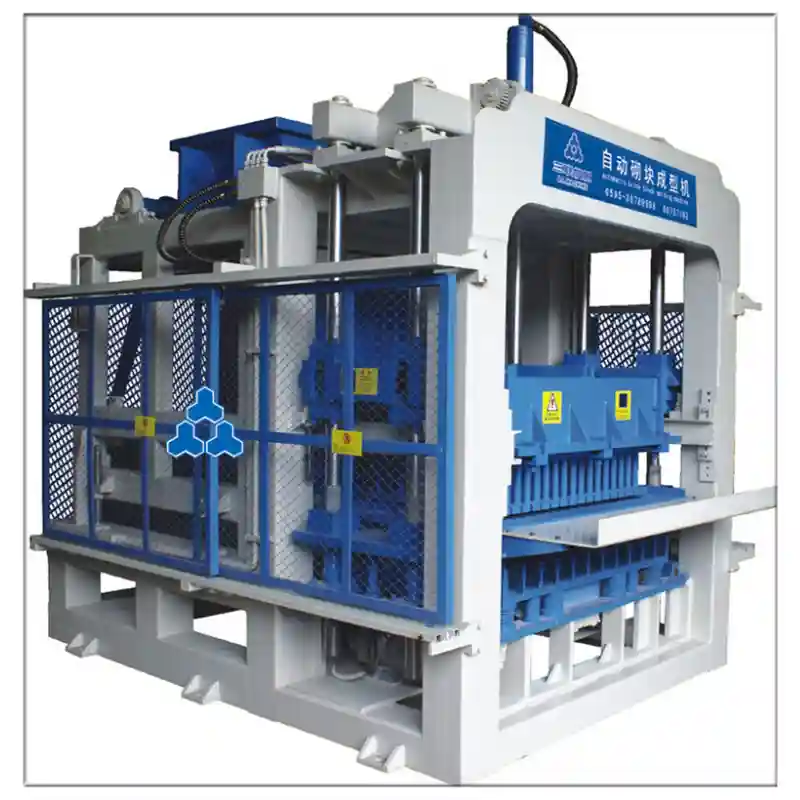
Understanding the Basics: Mobile vs Stationary Block Making Machines
What is a Stationary Block Making Machine?
A stationary block making machine is designed for continuous, high-volume production. These machines are typically larger, more powerful, and suitable for large-scale operations where space and electricity are available. Stationary machines are ideal for businesses that want to establish a permanent block-making facility in a fixed location.
What is a Mobile Block Making Machine?
In contrast, mobile block making machines are portable and can be moved from one site to another. These machines are compact, often mounted on trailers, making them ideal for construction projects that require mobility. They are perfect for companies working on various job sites or those that need to produce blocks on-demand without setting up a permanent facility.
Key Factors to Consider When Choosing a Block Making Machine
1. Production Capacity
When choosing a block making machine, consider the production capacity that aligns with your business goals. If you are operating on a larger scale, you may need a stationary machine that can produce a higher volume of blocks in a short period. On the other hand, for smaller operations, a mobile machine might be a more suitable choice.
Capacity Considerations:
-
Stationary machines offer more consistent high-volume production.
-
Mobile machines provide flexibility but may have lower production rates.
2. Space and Location
Space availability plays a significant role in choosing between a mobile or stationary machine. Stationary block making machines require a permanent facility or factory space, where they can be installed and operated efficiently. Mobile machines are more versatile, as they do not need a permanent installation site and can be used directly at construction sites.
Location Considerations:
-
Stationary machines are ideal for factories with ample space.
-
Mobile machines work well for companies that need portability.
3. Initial Investment vs Long-Term Costs
The cost of the machine is a critical factor when making your decision. Stationary block making machines tend to be more expensive initially, but they often provide a better return on investment for larger-scale operations. Mobile machines are typically more affordable upfront but may have higher operational costs over time due to their mobility and smaller production capacity.
Investment Considerations:
-
Stationary machines require a larger initial investment but lower ongoing costs.
-
Mobile machines are cheaper upfront but may incur higher maintenance and transport costs.
4. Machine Flexibility and Application
Consider the type of products you intend to make. Some mobile vs stationary concrete block machines are designed for specific block types, such as standard concrete blocks, hollow blocks, or paving stones. If you need versatility in production, mobile machines can often be adapted for different block types with the appropriate molds.

Application Considerations:
-
Stationary machines often specialize in high-volume production of specific block types.
-
Mobile machines offer more flexibility, particularly for on-site or diverse applications.
5. Maintenance and Durability
The durability and ease of maintenance should be factored into your decision. Stationary machines are built for long-term operation with fewer chances of wear and tear from being moved. Mobile machines, however, are exposed to more environmental factors, such as weather and transportation, which can increase wear.
Maintenance Considerations:
-
Stationary machines require less frequent maintenance and can handle heavy-duty usage.
-
Mobile machines need more attention to ensure that moving parts remain in top condition.
6. Operational Efficiency
When comparing mobile vs stationary block making machines, efficiency is a significant factor. Stationary machines are often more powerful and offer higher precision in production, leading to faster and more consistent output. On the other hand, mobile machines may have slower operational speeds but are excellent for smaller production needs.
Efficiency Considerations:
-
Stationary machines excel in speed and precision for large batches.
-
Mobile machines are more suited for slower but versatile production at various sites.
Choosing Based on Production Needs
The decision between a mobile vs stationary block making machine will depend largely on your production needs. If your business operates in one location and requires high-volume production, a stationary machine will provide the efficiency and capacity you need. However, if you work on multiple sites or require mobility, a mobile machine offers flexibility and portability.
Conclusion
In conclusion, both mobile and stationary block making machines have their advantages and drawbacks. By carefully considering factors like production capacity, space, initial investment, and flexibility, you can make an informed decision about the right equipment for your business. Remember to also consider the type of blocks you plan to produce, as certain machines are better suited for specific products. Whether you choose a stationary machine for consistent, high-volume production or a mobile machine for flexibility and on-site production, selecting the right block-making machine is key to ensuring your business runs smoothly.
For more information and expert advice on mobile vs stationary block making machines, visit Sanlian Block Machine, a leading provider of high-quality concrete block machines.

 English
 Arabic
 Español
 Português
 Deutsch
 Türkçe
 Dutch
Dutch
 Italiano
 Russian
 Romaian