


How to Improve PCBA Assembly Yield and Optimize Production Processes?
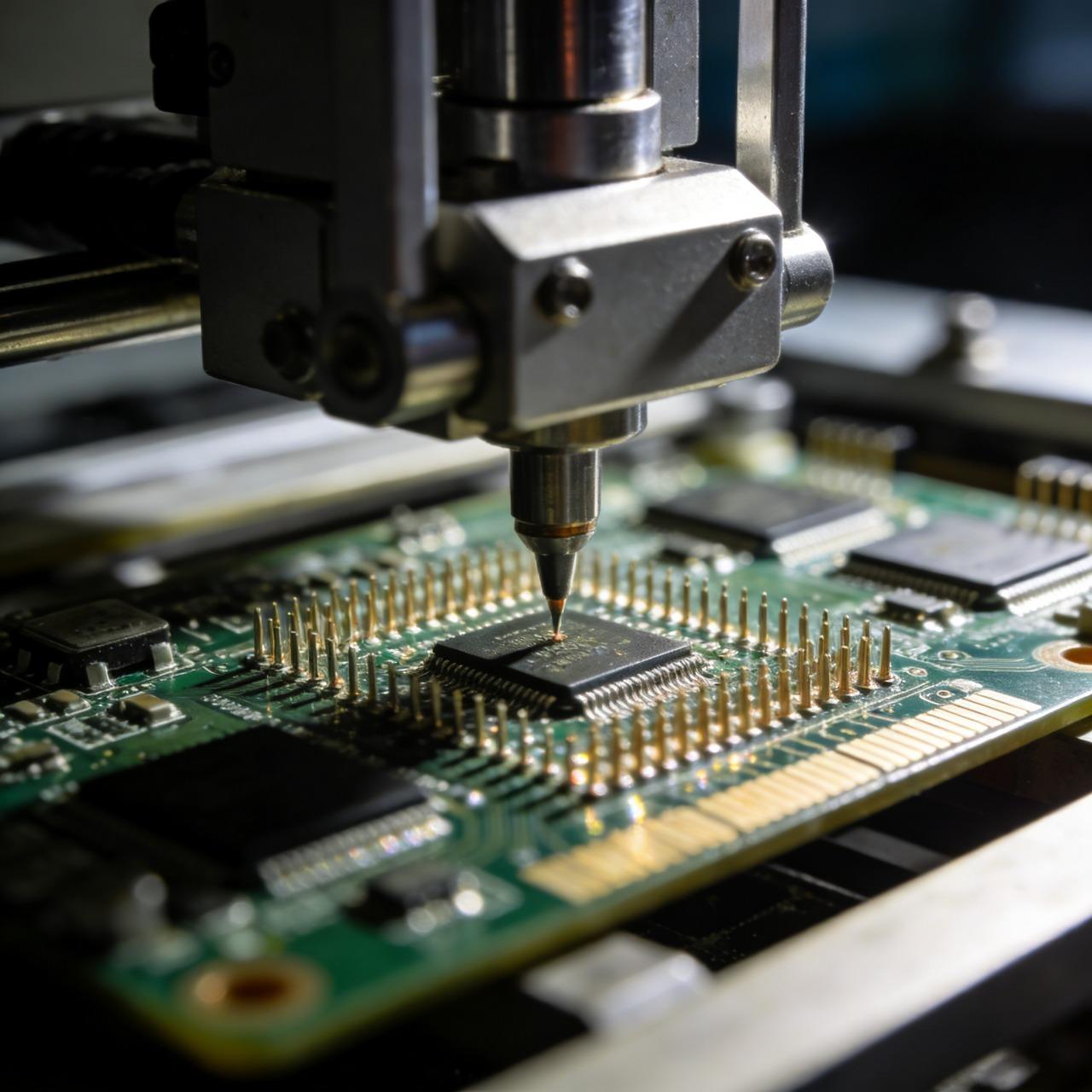
In the highly competitive electronics manufacturing industry, maximizing efficiency and minimizing defects in PCBA assembly are essential for both cost reduction and product reliability. Engineers and production managers often face challenges such as low yields, rework, and SMT process issues. This article focuses on practical strategies to enhance PCBA assembly performance, offering actionable insights for technical decision-makers.
1. Reducing Defects through Process Optimization
Defects in PCBA assembly often stem from soldering issues, component misalignment, or poor handling. To address these challenges:
-
SMT Reflow Optimization: Ensure accurate temperature profiling and solder paste application. Modern reflow ovens and automated monitoring systems help prevent cold solder joints and bridging.
-
Component Placement Accuracy: High-precision pick-and-place machines minimize misalignment, especially for fine-pitch components.
By working with experienced providers like Sanshun Smart, manufacturers can access advanced equipment and process expertise, reducing defects and improving first-pass yield.
2. Design for Manufacturability (DFM)
Proper design is critical to reducing rework and improving assembly efficiency. Implementing DFM principles ensures that the PCB layout, component selection, and solder mask design align with assembly capabilities. Key considerations include:
-
Minimizing fine-pitch and high-density layouts when possible
-
Standardizing component footprints and orientations
-
Ensuring adequate thermal relief and solder pad design
Sanshun Smart provides DFM review services to identify potential assembly issues before production, saving time and material costs.
3. Quality Control and Testing
A robust testing protocol prevents defects from reaching the customer. Recommended practices include:
-
Automated Optical Inspection (AOI) to detect soldering and component placement errors
-
In-Circuit Testing (ICT) for functional verification of each PCB
-
Final Functional Testing to ensure complete system reliability
Combining these methods with production data analytics helps identify recurring problems and refine the assembly process continuously.
4. Material and Component Selection
Choosing the right materials and components impacts both yield and reliability. Factors to consider:
-
High-quality solder paste with consistent viscosity
-
Components from reputable suppliers to reduce variance
-
Environmental considerations such as RoHS compliance and thermal stress tolerance
Conclusion
Optimizing PCBA assembly is a multifaceted process that combines equipment, process expertise, DFM design, quality control, and careful material selection. By focusing on these key areas, manufacturers can achieve higher yields, reduce rework, and improve overall efficiency. Sanshun Smart offers comprehensive PCBA assembly solutions, including DFM consulting, process optimization, and full-scale production support, making it a valuable partner for companies seeking reliable and efficient PCB assembly services.
Learn more about PCBA assembly optimization with Sanshun Smart to enhance your production efficiency and product quality.

 Arabic
 Français
 Español
 Português
 Deutsch
 Türkçe
 Dutch
Dutch
 Italiano
 Russian
 Romaian