


3 Innovative Practices for Home Air Quality Improvement

To improve our home air quality, we can implement three innovative practices. First, let’s invest in HEPA air filtration systems to capture airborne particles. Next, we can integrate indoor plants for their natural purifying abilities. Finally, focusing on source control and reducing VOCs is essential; choosing low-VOC products can make a big difference. By adopting these methods, we can create a healthier environment. Stick around, and we’ll explore these ideas in more detail!
HEPA Air Filtration Systems: Enhancing Indoor Air Quality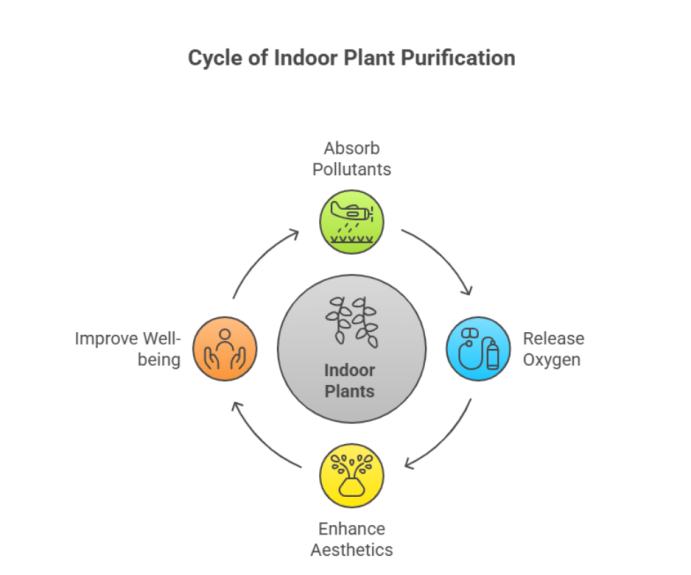
When we think about improving our indoor air quality, HEPA air filtration systems stand out as a powerful tool we can implement. These systems capture 99.97% of airborne particles, including dust, pollen, pet dander, and mold spores, making them incredibly effective in reducing allergens that can trigger respiratory issues.
To maximize their efficiency, we should strategically position air purifiers in high-traffic areas like bedrooms and living rooms, and keep doors and windows closed to prevent pollutants from entering. Regular maintenance is essential, so we must check filters monthly and replace them as recommended by the manufacturer.
Integrating Indoor Plants for Natural Purification
Integrating indoor plants into our living spaces not only enhances the aesthetic appeal but also serves as a natural method for purifying the air we breathe.
Various plant species can absorb toxins and release oxygen, creating a healthier environment for us. According to the NASA Clean Air Study, certain plants effectively filter volatile organic compounds (VOCs), which are common indoor pollutants.
To maximize their benefits, we should diversify our plant selections and place them in areas where pollutants are likely to accumulate. Proper care is essential, so let’s make sure they receive adequate indirect sunlight and avoid overwatering.
Importance of Regular HVAC Maintenance for Clean Air
Regular HVAC maintenance is essential for maintaining clean air in our homes, as it directly impacts indoor air quality and overall health.
By keeping our systems in top shape, we can greatly reduce allergens and pollutants circulating in our living spaces.
Here are three key maintenance practices we should prioritize:
-
Regular Filter Replacement: Changing HVAC filters every 30 to 90 days helps prevent the recirculation of dust and allergens.
-
Duct Cleaning: Professional cleaning every few years removes accumulated dust and contaminants from air ducts, enhancing airflow.
-
System Inspections: Scheduling routine inspections identifies potential issues early, ensuring our HVAC systems operate efficiently.
Frequently Asked Questions
How Do Indoor Air Pollutants Affect Children and Elderly Individuals?
Indoor air pollutants can greatly impact children and the elderly, causing respiratory issues, allergies, and cognitive decline. We must guarantee healthy environments for these vulnerable groups by prioritizing clean air and minimizing exposure.
What Is the Role of Humidity in Indoor Air Quality?
Humidity plays an essential role in indoor air quality, affecting comfort and health. It helps prevent mold growth and dust mites, so maintaining ideal levels is essential for a healthier living environment for everyone.
Can Air Purifiers Eliminate Viruses and Bacteria?
Yes, air purifiers can eliminate viruses and bacteria. By using HEPA filters and UV light technology, we effectively reduce airborne pathogens, improving our indoor air quality and helping create a healthier living environment for everyone.
Are There Specific Plants That Are Best for Air Purification?
Yes, certain plants like spider plants, peace lilies, and snake plants are best for air purification. They effectively absorb toxins and improve air quality, making our indoor spaces healthier and more inviting.
How Can I Reduce Allergens From Pets in My Home?
To reduce allergens from pets in our home, we should vacuum regularly, use HEPA filters, wash pet bedding frequently, groom pets outdoors, and consider air purifiers to improve overall air quality.
Conclusion
To summarize, by embracing these innovative practices, we can greatly improve our indoor air quality together. From using HEPA air filtration systems to integrating indoor plants and maintaining our HVAC systems, we’re taking proactive steps for a healthier home. Let’s not forget the importance of monitoring air quality to keep our living spaces safe and comfortable. Together, we can create a rejuvenating environment that promotes our well-being and enhances our overall quality of life.

 English
 Arabic
 Français
 Español
 Português
 Deutsch
 Türkçe
 Italiano
 Russian
 Romaian