


Global Explosive Regulations Explained: Where Is Emulsion Explosive Legally Used?
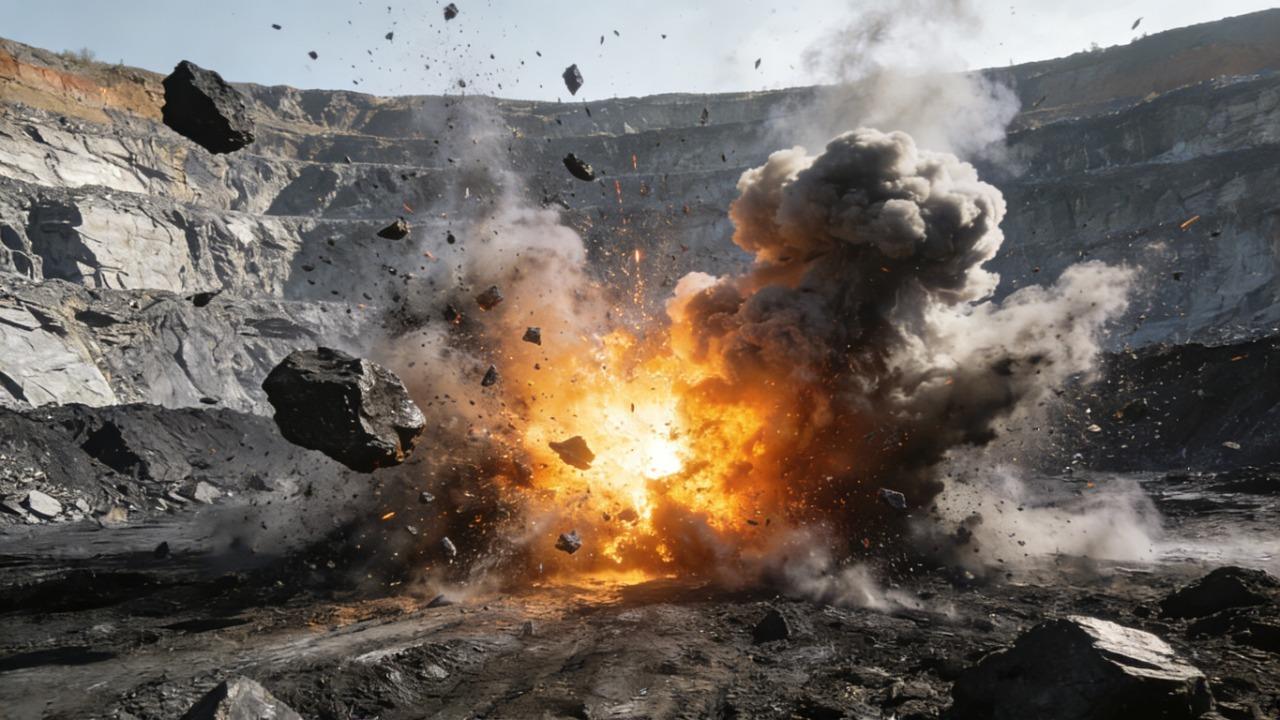
When users search for Emulsion Explosive, their primary concern is often not performance or efficiency—but legality. As a highly regulated industrial material, emulsion explosive is subject to strict national and international controls. Misunderstanding these rules can lead to serious legal and safety consequences.
This article provides a clear, country-by-country overview of how emulsion explosive is regulated globally, where its use is permitted, and—most importantly—how professionals can legally learn about and engage with this technology without crossing regulatory boundaries.
What Is Emulsion Explosive From a Regulatory Perspective?
From a legal standpoint, emulsion explosive is classified as a commercial high explosive rather than a consumer product. Across most jurisdictions, it falls under:
-
Industrial explosives
-
Controlled energetic materials
-
Restricted-use blasting agents
This classification means that ownership, transport, storage, and use are typically limited to licensed entities and trained professionals.
Understanding this regulatory classification is the first step in staying compliant.
Is Emulsion Explosive Illegal?
Short answer: no—but it is strictly regulated.
In nearly all countries, emulsion explosive is legal only for authorized industrial purposes, such as:
-
Mining and quarrying
-
Civil infrastructure construction
-
Tunneling and underground engineering
For private individuals or unlicensed organizations, possession or use is usually illegal.
The legality depends on who is using it, for what purpose, and under what authorization.
Countries and Regions Where Emulsion Explosive Is Legally Used
Below is a high-level regulatory overview (non-operational, non-instructional) of major regions where emulsion explosive is legally applied under government oversight.
United States 🇺🇸
In the U.S., emulsion explosive is regulated by:
-
Bureau of Alcohol, Tobacco, Firearms, and Explosives (ATF)
-
Mine Safety and Health Administration (MSHA)
-
Department of Transportation (DOT)
European Union 🇪🇺
EU member states regulate emulsion explosive under:
-
EU Explosives Directive
-
National mining and safety laws
Although rules vary by country, common requirements include:
-
Certified blasting engineers
-
Government-approved storage facilities
-
Traceability and transport documentation
The EU framework emphasizes risk control and environmental protection, not public accessibility.
Australia 🇦🇺 & Canada 🇨🇦
Both countries allow the use of emulsion explosive in mining and civil construction, governed by:
-
Federal safety regulations
-
Provincial or state-level licensing systems
Only approved operators may handle these materials, often working with established industrial suppliers and technology providers in the blasting sector.
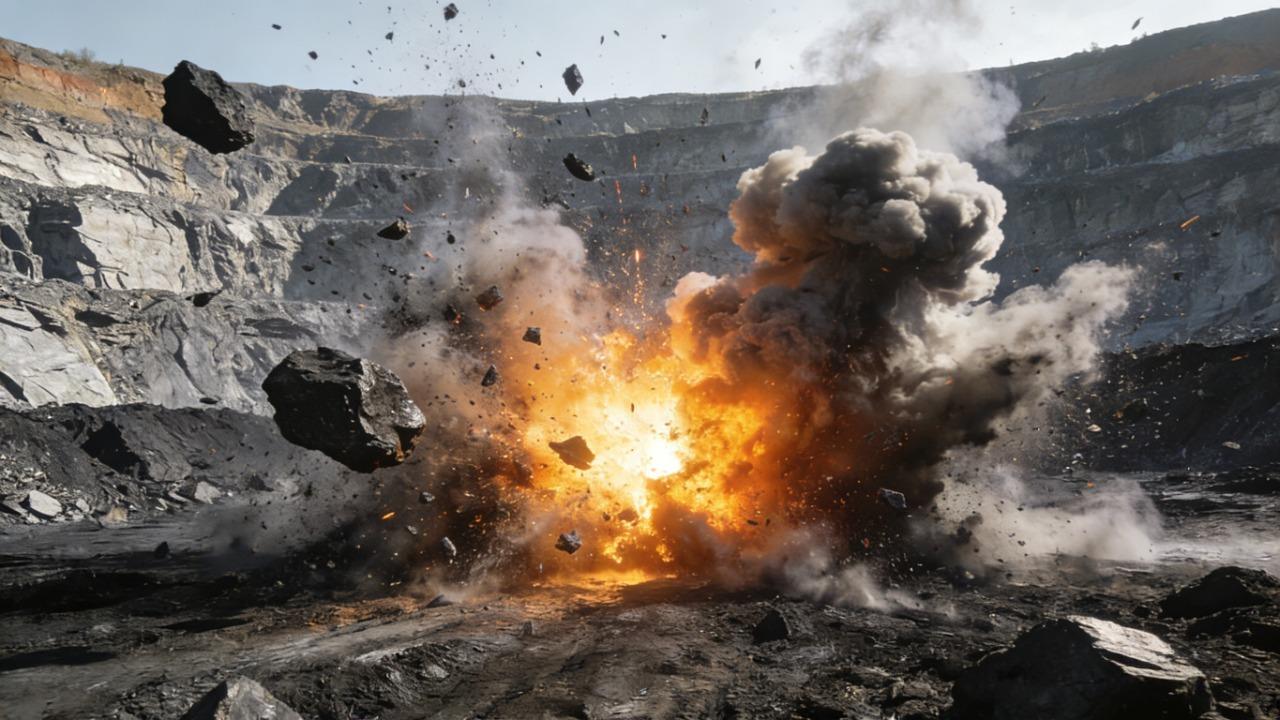
Asia (China, India, Southeast Asia)
In Asia, regulation is often even stricter, with centralized government control. Emulsion explosive is typically:
-
Produced by state-licensed manufacturers
-
Supplied directly to approved projects
-
Prohibited for private sale or possession
How Can Someone Legally Learn About Emulsion Explosives?
This is one of the most misunderstood pain points.
You do not need a license to:
-
Study the theoretical principles
-
Learn about regulatory frameworks
-
Understand industry applications at a conceptual level
Legal learning channels include:
-
Academic publications
-
Industry white papers
-
Manufacturer knowledge centers
-
Regulatory authority documentation
What Is Not Legal (Almost Everywhere)
To be absolutely clear, most countries strictly prohibit:
-
Unlicensed manufacturing
-
Private storage or experimentation
-
Unauthorized transport
-
Non-professional use
Why Regulatory Transparency Matters in the Explosives Industry
For engineers, procurement managers, and policymakers, understanding the legal status of emulsion explosive is critical for:
-
Risk management
-
Project approval
-
Supplier selection
-
International cooperation
Final Thoughts: Clarity Builds Trust
The question is not “Is emulsion explosive allowed?”
The real question is “Under what conditions, and by whom?”
Across the globe, emulsion explosive is legal, essential, and widely used—but only within a clearly defined legal and professional framework.
For readers seeking authoritative, compliant, and industry-focused insights, exploring resources from established industrial blasting specialists like Handar Blasting can provide clarity without crossing legal or safety lines.

 English
 Arabic
 Français
 Español
 Português
 Deutsch
 Türkçe
 Dutch
Dutch
 Italiano
 Russian