


What Is E-Commerce Trading and How Does It Work?
Introduction
Have you ever bought something online while sitting on your couch, sipping tea, and scrolling on your phone? If yes, then congratulations—you’ve already participated in E-Commerce Trading, even if you didn’t realize it.
E-Commerce Trading is no longer just a “business trend.” It’s a part of everyday life. From ordering groceries and clothes to booking tickets and paying bills, online trading has quietly changed how the world buys and sells. But what exactly is E-Commerce Trading, and how does it work behind the scenes?
In this article, we’ll break everything down in simple, human language. No confusing terms. No tech overload. Just a clear explanation that anyone can understand. Think of this guide as a friendly conversation over coffee, where we unpack the digital marketplace together.
1. What Is E-Commerce Trading?
E-Commerce Trading simply means buying and selling goods or services over the internet. Instead of visiting a physical shop, customers browse websites or apps, place orders, make payments online, and receive products at their doorstep.
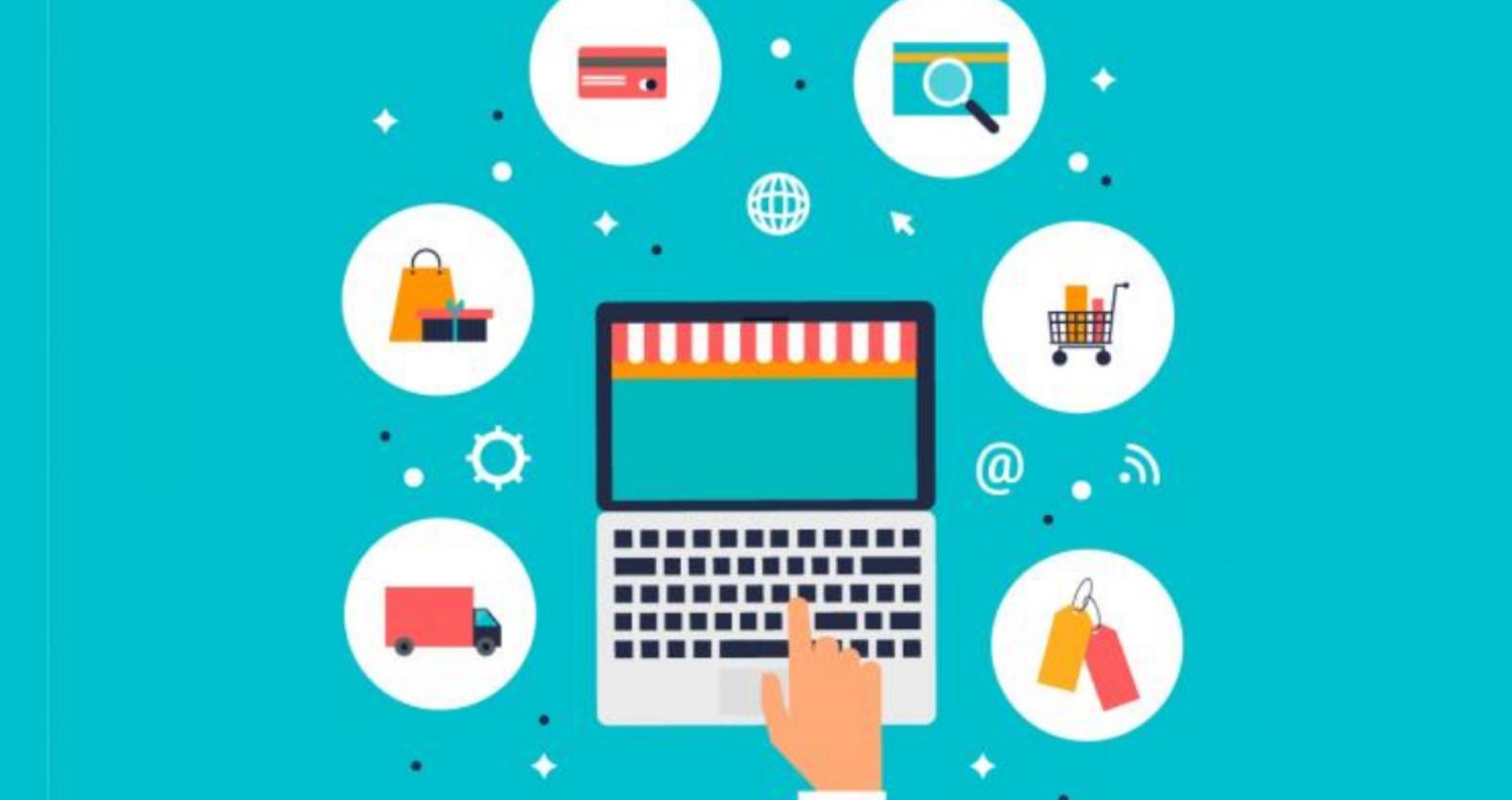
Think of E-Commerce Trading like a digital marketplace—similar to a shopping mall, but online. Each store is a website, and your smartphone or laptop is the entrance.
What makes it powerful is its global reach. A seller in one country can sell to a buyer thousands of miles away without ever meeting face-to-face.
2. Why E-Commerce Trading Matters Today
Why has E-Commerce Trading become so popular? The answer is simple: convenience.
People want things fast, easy, and accessible. Online trading allows customers to shop 24/7, compare prices instantly, read reviews, and avoid long lines.
For businesses, E-Commerce Trading removes many barriers. No expensive storefront. No limited opening hours. Just a digital platform that works around the clock.
In today’s busy world, E-Commerce Trading isn’t a luxury—it’s a necessity.
3. How E-Commerce Trading Works: Step by Step
Let’s walk through how E-Commerce Trading works, step by step:
-
Product Listing – Sellers upload product details, images, and prices on a website or platform.
-
Customer Browsing – Buyers search, compare, and choose products.
-
Order Placement – The customer adds items to a cart and places an order.
-
Online Payment – Payment is made through secure digital methods.
-
Order Processing – The seller prepares the order.
-
Shipping & Delivery – The product is shipped to the customer.
-
After-Sales Support – Returns, refunds, or customer service if needed.
It’s like ordering food at a restaurant—except everything happens digitally.
4. Main Types of E-Commerce Trading
There isn’t just one type of E-Commerce Trading. Let’s explore the main ones:
B2C (Business to Consumer)
This is the most common type. Businesses sell directly to customers.
Example: Buying clothes from an online store.
B2B (Business to Business)
Companies sell products or services to other businesses.
Example: A wholesaler selling bulk goods online.
C2C (Consumer to Consumer)
Individuals sell to other individuals using platforms.
Example: Selling used items online.
C2B (Consumer to Business)
Individuals offer products or services to companies.
Example: Freelancers selling services online.
Each model plays a key role in the E-Commerce ecosystem.
5. Popular E-Commerce Trading Platforms
E-Commerce Trading happens on different platforms, such as:
-
Online marketplaces (multi-seller platforms)
-
Dedicated brand websites
-
Social media shops
-
Mobile shopping apps
These platforms act like digital bridges, connecting buyers and sellers smoothly.
6. Products and Services Sold Through E-Commerce
Almost anything can be traded online today:
-
Physical products (electronics, clothes, groceries)
-
Digital products (ebooks, software, courses)
-
Services (consulting, design, subscriptions)
E-Commerce Trading isn’t limited to items you can touch. Even ideas and skills can be sold online.
7. Payment Methods in E-Commerce Trading
Payments are the backbone of E-Commerce Trading. Common options include:
-
Credit and debit cards
-
Mobile wallets
-
Online banking transfers
-
Cash on delivery
Secure payment systems protect both buyers and sellers, making online trading safe and reliable.
8. Shipping, Delivery, and Fulfillment Explained
Once payment is complete, delivery takes over.
Some sellers handle shipping themselves, while others use third-party logistics services. Large businesses may use fulfillment centers that store, pack, and ship products automatically.
It’s like having a helper who takes care of everything once the order is placed.
9. The Role of Technology in E-Commerce Trading
Technology is the engine that powers E-Commerce Trading.
-
Websites and apps display products
-
Secure systems protect data
-
Tracking tools monitor orders
-
Customer support uses chat and email
Without technology, E-Commerce Trading simply wouldn’t exist.
10. Benefits of E-Commerce Trading
Why do people love E-Commerce Trading?
-
Convenience – Shop anytime, anywhere
-
Wider choices – Access to global products
-
Lower costs – Often cheaper than physical stores
-
Time-saving – No travel or waiting
For businesses, it offers scalability and growth like never before.
11. Challenges and Risks in E-Commerce Trading
Of course, it’s not perfect.
Common challenges include:
-
Delivery delays
-
Online fraud
-
Product quality issues
-
Intense competition
The key is choosing reliable platforms and maintaining trust.
12. E-Commerce Trading vs Traditional Trading
Traditional trading relies on physical stores and face-to-face interaction. E-Commerce Trading relies on digital tools and remote transactions.
Think of traditional trading as a local shop, and E-Commerce Trading as a global supermarket that never closes.
13. How to Start E-Commerce Trading as a Beginner
Starting is easier than you think:
-
Choose a product or service
-
Select a platform
-
Set prices and upload details
-
Promote your store
-
Deliver great customer service
Small steps can lead to big results.
14. Future Trends in E-Commerce Trading
The future of E-Commerce Trading looks exciting:
-
Faster deliveries
-
More mobile shopping
-
Personalized experiences
-
Increased global trade
E-Commerce Trading will continue to shape how we buy and sell.
15. Common Myths About E-Commerce Trading
Let’s bust a few myths:
-
“It’s only for big companies” – Not true
-
“It’s too complicated” – It’s simpler than ever
-
“People don’t trust online shopping” – Millions do, daily
Conclusion
E-Commerce Trading has transformed the way the world does business. It’s fast, flexible, and accessible to almost everyone. Whether you’re a buyer looking for convenience or a seller dreaming of global reach, E-Commerce Trading opens doors that traditional trading never could.
In simple terms, it’s not just about selling online—it’s about connecting people through digital commerce. And as technology grows, E-Commerce Trading will only become more powerful and more personal.
Frequently Asked Questions (FAQs)
1. Is E-Commerce Trading safe for beginners?
Yes, E-Commerce Trading is safe when using trusted platforms and secure payment methods.
2. Do I need a lot of money to start E-Commerce Trading?
No, many people start E-Commerce Trading with a small budget or even from home.
3. Can E-Commerce Trading work internationally?
Yes, one of the biggest advantages of E-Commerce Trading is global reach.
4. What skills are needed for E-Commerce Trading?
Basic computer skills, communication, and customer service are usually enough to start.
5. Is E-Commerce Trading the future of business?
Absolutely. E-Commerce Trading continues to grow and shape the global economy every day.

 English
 Arabic
 Español
 Português
 Deutsch
 Türkçe
 Dutch
Dutch
 Italiano
 Russian
 Romaian