


How Wax Resin Thermal Transfer Ribbon Meets Industry Demands
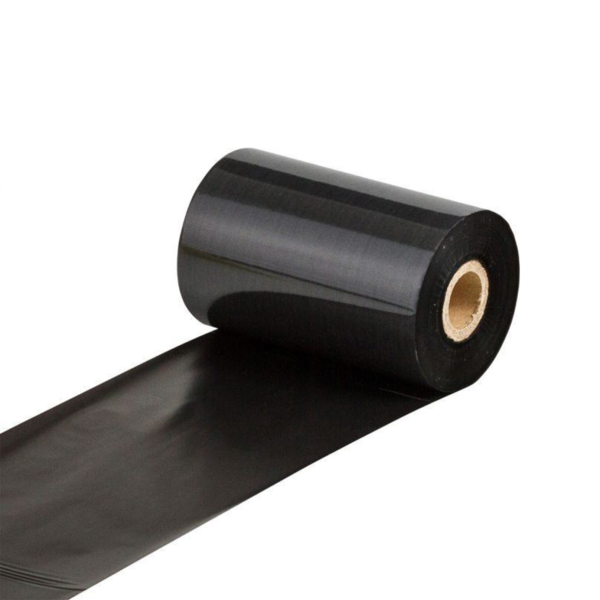
In the fast-paced world of industrial labelling, every detail matters. Whether you're in manufacturing, logistics, or retail, the ability to produce durable, reliable labels can significantly improve your operations. Enter wax resin thermal transfer ribbon —a game-changing solution that meets demanding requirements head-on. These specialised ribbons combine the best of both worlds: high-quality printing with remarkable durability. As industries continue to evolve, so do their labelling needs. From tracking inventory in warehouses to ensuring regulatory compliance, efficient identification systems are crucial to success. Resin-wax thermal transfer ribbon not only excels in performance but also offers versatility across a wide range of applications. Curious about how this technology works and why it’s gaining traction? Join us as we dive deeper into the mechanics of thermal transfer printing and explore how resin-wax formulations are designed to handle even the most demanding environments.
Demystifying Thermal Transfer Printing Technology
Thermal transfer printing is a fascinating technology that transforms digital images into physical labels. At its core, it involves using heat to transfer ink from a ribbon onto various substrates. This method stands out for its precision and quality, making it ideal for industries needing detailed graphics and clear barcodes.
The process begins with the thermal print head heating specific areas of the resin-wax thermal transfer ribbon. As the ribbon melts slightly, ink adheres to the surface below, forming sharp images or text. The versatility of materials allows this technology to adapt across multiple applications—whether retail tags or hazardous-material warnings.
Understanding this technology helps businesses select the right tools for their labelling needs. It combines efficiency with high-quality output while providing the durability necessary for industrial environments. Familiarity with these concepts empowers users to maximise their investments in printing solutions.
The Spectrum of Ribbon Formulations
Thermal transfer printing relies on a range of ribbon formulations to meet diverse industrial needs. These ribbons are tailored from a mix of wax, resin, or both. Each type offers unique properties that enhance performance in different environments.
Wax ribbons are ideal for standard applications like shipping labels and packaging materials. They deliver good print quality at an affordable cost, but may not withstand harsh conditions. On the other hand, resin ribbons excel in durability, making them suitable for high-temperature settings or exposure to chemicals.
The hybrid option combines the strengths of both wax and resin. This formulation provides excellent adhesion and smudge resistance while maintaining cost-effectiveness. By understanding these options, businesses can choose the right thermal transfer ribbon for their specific labelling challenges.
Key Requirements for Industrial Labelling
Industrial labelling plays a crucial role in various sectors, from manufacturing to logistics. Labels must withstand harsh environments while remaining clear and legible. This means they need to resist fading, smudging, or peeling under challenging conditions.
Durability is paramount, especially where exposure to chemicals or abrasion is everyday. Labels should adhere firmly to surfaces without lifting or curling over time. This reliability ensures that critical information remains accessible for safety and compliance.
Another vital requirement is the ability to print at high speeds without sacrificing quality. Efficiency in production processes depends on fast yet precise printing solutions that do not compromise on readability or durability of the labels produced. Choosing the right materials can significantly impact these performance metrics.
The Hybrid Advantage in Durability
Resin-wax thermal transfer ribbons stand out due to their unique hybrid formulation. This combination of resin and wax offers a balance between flexibility and toughness. The result is a ribbon that can withstand the rigours of industrial environments without compromising on print quality.
Durability is essential for labelling applications in manufacturing or logistics. These ribbons excel in high-demand settings, where durability translates directly into operational efficiency. They resist wear and tear better than standard wax ribbons, ensuring longer-lasting prints.
Additionally, this hybrid approach enhances resistance to environmental factors such as temperature fluctuations and humidity. Labels produced with resin-wax ribbons maintain clarity even under challenging conditions, making them ideal for tracking products throughout diverse supply chains.
Adhesion Performance on Challenging Substrates
Adhesion performance is crucial for labelling on challenging surfaces. Many industrial applications require labels to adhere firmly to a wide range of materials, including plastics and metals, as well as textured or curved surfaces. The right resin-wax thermal transfer ribbon can significantly enhance the adhesion quality.
When utilising a high-quality resin-wax ribbon, users often notice improved results even on difficult substrates. This type of ribbon combines the best characteristics of both wax and resin formulations, ensuring optimal bonding with diverse materials under different conditions.
Additionally, factors such as environmental exposure play a vital role in label durability. A resilient adhesive ensures labels adhere effectively even in the presence of moisture, heat, or chemical exposure. Choosing a suitable ribbon enhances overall operational efficiency while minimising label failures during critical processes.
Resistance to Chemicals and Abrasion
Industrial environments often expose labels to harsh chemicals and abrasive conditions. For this reason, selecting the right thermal transfer ribbon is crucial. Resin-wax thermal transfer ribbons stand out for their exceptional resistance to these challenges.
These ribbons are engineered with a blend of materials that provide a shield against solvents, oils, and other corrosive substances. Unlike standard wax or wax-resin options, resin-wax formulations offer superior durability against chemical spills and exposure.
Additionally, they withstand wear from mechanical abrasion common in manufacturing settings. This resilience ensures that printed labels remain legible and intact over time. As industries prioritise efficiency and clarity in identification systems, investing in high-quality resin-wax thermal transfer ribbons becomes essential for maintaining operational integrity.
How Wax Resin Thermal Transfer Ribbon Excels
Wax resin thermal transfer ribbon stands out in the world of industrial labelling for their impressive versatility. They strike an optimal balance between cost-effectiveness and high-performance output, making them ideal for a range of applications. Whether it’s for shipping labels or product identification, these ribbons deliver clarity and precision.
The blend of wax and resin formulations enhances durability without compromising print quality. This unique combination ensures that labels remain legible even under harsh conditions, such as exposure to heat or moisture. As a result, they are perfect for environments where resilience is essential.
Moreover, these ribbons provide excellent adhesion to various surfaces—whether cardboard, plastic, or metal. Their ability to adhere securely reduces printing errors and waste. For businesses seeking reliability in their labelling processes, resin wax thermal transfer ribbons are an invaluable choice.
Operational Efficiency in High-Speed Printing
High-speed printing environments demand reliability and precision. Resin-wax thermal transfer ribbons are engineered to perform seamlessly in these fast-paced settings. Their formulation enables quick ink transfer, ensuring each label is produced without delay.
The design of these ribbons minimises downtime. With optimal heat absorption, they produce sharp images quickly while reducing wear on print heads. This efficiency means fewer interruptions during production runs, keeping operations flowing smoothly.
Moreover, resin-wax products offer consistent quality across high-volume outputs. Labels maintain clarity and durability even when printed at increased speeds. Businesses can trust these ribbons to meet their demands without sacrificing performance or output quality.
Lifecycle Cost Analysis for Enterprises
Lifecycle cost analysis is crucial for enterprises considering resin-wax thermal transfer ribbons. This approach examines all costs associated with a product, from initial purchase to disposal. It provides valuable insights into long-term investments.
When evaluating thermal transfer ribbons, factors such as durability and performance significantly affect overall costs. High-quality resin-wax options may have a higher upfront price but often lead to savings in maintenance and replacement expenses over time.
Additionally, operational efficiency plays a vital role in the lifecycle cost equation. Ribbons that perform well at high speeds reduce downtime and enhance productivity. By focusing on these aspects, businesses can make informed decisions that align with their budgetary goals while ensuring optimal results in labelling operations.
Specifying the Right Ribbon for the Application
Choosing the right resin-wax thermal transfer ribbon is crucial for optimal labelling performance. Consider your application’s environment, including temperature fluctuations and chemical exposure. Different formulations cater to varying conditions and requirements.
Evaluate the types of substrates you'll be printing on—paper, plastic, or specialty materials all have unique characteristics that influence ribbon selection. A compatible ribbon ensures better adhesion and print quality while minimising waste.
Keep the printer's specifications in mind. Some printers are designed for specific ribbon widths or core sizes. Aligning these factors guarantees smoother operation and enhances productivity in your industrial processes.
Future-Proofing Identification and Tracking Systems
As industries evolve, the need for robust identification and tracking systems becomes critical. Organisations require solutions that not only meet today's demands but also adapt to future challenges. Resin-wax thermal transfer ribbon plays a pivotal role in this landscape.
With advancements in technology, these ribbons offer exceptional print quality that remains clear and durable over time. This ensures that labels remain readable even under exposure to various environmental factors. Flexibility is key; companies can switch between different printing requirements without overhauling their entire system.
Additionally, investing in resin-wax thermal transfer ribbons allows businesses to maintain compliance with industry standards while reducing waste and cost overruns. This adaptability ensures long-term viability in an ever-changing market where efficient tracking is essential for operational success.
Conclusion
Understanding the capabilities of wax resin thermal transfer ribbon is essential for businesses aiming to enhance their labelling solutions. This technology meets diverse industrial demands, ensuring reliability in various environments. As industries evolve, the need for versatile and robust printing solutions grows. Resin-wax ribbons bridge that gap by offering durability while maintaining high-quality print clarity on a range of substrates. Investing in the right ribbon not only improves operational efficiency but also drives cost-effectiveness over time. With resin-wax thermal transfer ribbons, companies can future-proof their identification and tracking systems while enhancing productivity across all fronts.
FAQs
Understanding the nuances of resin-wax thermal transfer ribbon and its applications can significantly elevate your industrial printing capabilities. Here are five frequently asked questions to further clarify any lingering doubts.
What is a wax resin thermal transfer ribbon?
A wax resin thermal transfer ribbon is a printing ribbon that combines wax and resin, providing an optimal balance between print quality and durability. It’s commonly used across various industries for labelling.
How does this ribbon perform on challenging surfaces?
Resin-wax thermal transfer ribbons excel on a wide range of substrates, including rough or uneven surfaces where adhesion may be problematic. Their unique formulation enhances adherence without compromising print clarity.
Are these ribbons resistant to chemicals?
Yes, one of the standout features of resin-wax thermal transfer ribbons is their resistance to many chemicals and abrasives. This makes them ideal for environments where labels may come into contact with harsh substances.
Can I use these ribbons in high-speed printers?
Absolutely! Resin-wax thermal transfer ribbons are designed for operational efficiency, enabling seamless usage even in high-speed printing settings while maintaining excellent image quality.
What should I consider when selecting a ribbon?
When choosing a resin-wax thermal transfer ribbon, factors such as substrate type, required durability, environmental conditions, and printer compatibility should guide your decision.
|
Related Business Listings |

 Arabic
 Français
 Español
 Português
 Deutsch
 Türkçe
 Dutch
Dutch
 Italiano
 Russian
 Romaian