


IPL vs Real Skin Correction: When Light Therapy Helps — and When It Makes Things Worse
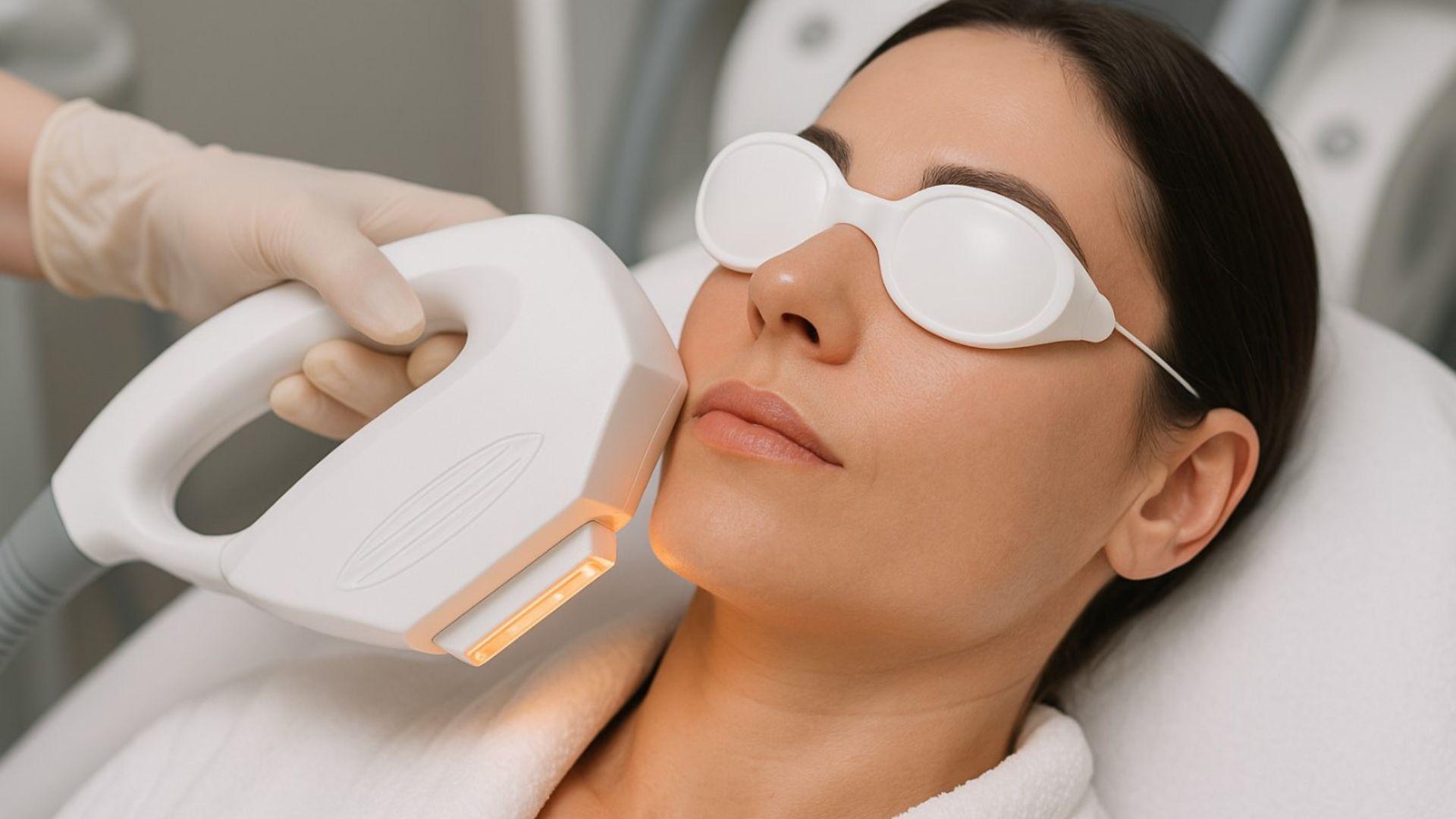
IPL (Intense Pulsed Light) is often described as a “fix-all” for redness, pigmentation, acne, and uneven tone. And when used correctly, it can be incredibly effective. But here’s the uncomfortable truth most people aren’t told:
IPL is not true skin correction — and in the wrong situations, it can actively make skin worse.
Understanding when IPL helps and when it harms requires looking beyond marketing and into skin biology, inflammation pathways, and pigment behavior. This is where educated decisions separate long-term skin health from short-term glow.
What IPL Really Is (And What It Isn’t)
IPL is broad-spectrum light, not a laser. Unlike lasers that use a single, controlled wavelength, IPL emits multiple wavelengths at once. Filters are used to target specific concerns such as:
- Brown pigment (sun spots, freckles)
- Redness (broken capillaries, rosacea-related flushing)
- Acne-causing bacteria (in limited cases)
Because IPL spreads energy across wavelengths, it’s less precise than lasers and more dependent on proper candidate selection.
This versatility is both IPL’s strength — and its biggest risk.
When IPL Helps: The Right Skin, the Right Condition
IPL works best when the skin barrier is healthy and the concern is pigment- or vessel-based, not inflammatory.
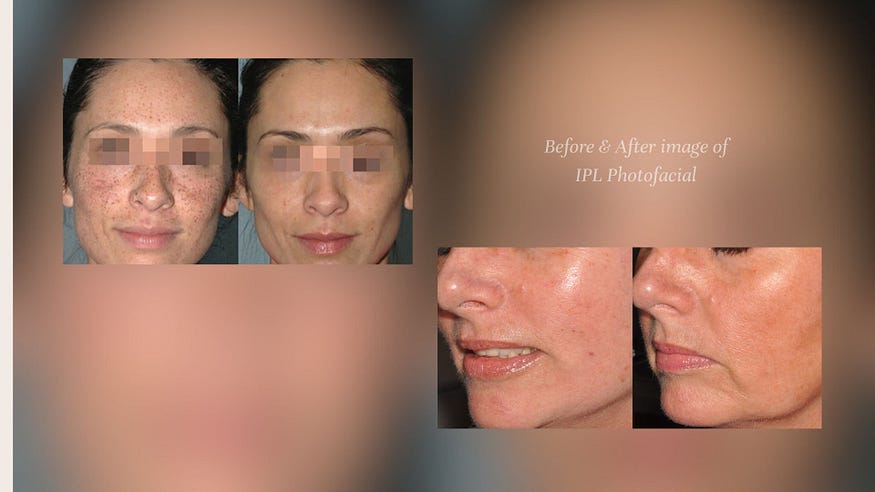
Ideal IPL Candidates
- Sun damage without active acne
- Superficial pigmentation (freckles, age spots)
- Mild redness or visible capillaries
- Even skin texture with minimal sensitivity
In these cases, IPL can gradually break down pigment and coagulate vessels, allowing the body to clear them naturally over time.
Clinical studies show that IPL can reduce epidermal pigmentation by up to 70% after a series of treatments, when used on appropriate skin types and conditions.
When IPL Makes Things Worse (This Matters)
Here’s where problems begin: IPL is frequently used on skin that is not stable enough to handle heat-based light therapy.
1. Active Acne or Inflamed Skin
IPL generates heat. Heat + inflammation = escalation.
- Inflamed acne can worsen
- Oil production may increase
- Post-inflammatory hyperpigmentation becomes more likely
This is why many people report “breakouts” or uneven pigmentation after IPL — it wasn’t the right tool at the right time.
2. Melasma: The Biggest IPL Mistake
Melasma is hormone-driven pigmentation, not surface-level sun damage.
IPL may temporarily lighten melasma, but heat can stimulate melanocytes, causing:
- Darker rebound pigmentation
- Wider spread of pigment
- Long-term worsening
This is why many dermatology journals now caution against IPL as a primary melasma treatment.
3. Compromised Skin Barriers
If your skin barrier is already impaired (over-exfoliation, harsh products, recent peels), IPL can:
- Increase transepidermal water loss
- Trigger redness and sensitivity
- Prolong healing time
Healthy skin tolerates energy. Stressed skin reacts to it.
Skin Type Matters More Than the Device
IPL is melanin-sensitive, meaning darker skin tones absorb more light energy — whether that energy is meant for pigment or not.
Higher Fitzpatrick Skin Types (IV–VI)
- Increased risk of burns
- Higher chance of hyperpigmentation
- Requires conservative settings and expert judgment
This doesn’t mean IPL is impossible — but it does mean precision and restraint are non-negotiable.
Why IPL ≠ Real Skin Correction
Real skin correction focuses on:
- Barrier repair
- Cellular turnover regulation
- Inflammation control
- Pigment pathway management
IPL doesn’t address these root causes. It treats symptoms, not systems.
That’s why long-term correction plans often prioritize:
- Controlled exfoliation
- Anti-inflammatory protocols
- Targeted treatments that strengthen the skin before energy-based therapies
When IPL is layered after correction — not before — it becomes a supportive tool rather than a risky shortcut.
The “Glow” Effect vs. True Improvement
Many people love IPL because of the short-term glow:
- Skin looks brighter
- Redness appears reduced
- Pigment looks lighter initially
But glow ≠ correction.
Without addressing why pigment or redness exists in the first place, results often fade — or rebound. This explains why some clients need repeated IPL sessions without lasting improvement.
How to Know If IPL Is Right for You
IPL tends to help when:
- Skin is calm and stable
- Pigment is superficial and sun-based
- There’s no active acne or melasma
- Skin tone and device settings are compatible
IPL tends to harm when:
- Skin is inflamed or sensitized
- Pigmentation is hormone-driven
- Treatments are rushed or improperly spaced
- Heat is introduced before barrier repair
IPL isn’t “good” or “bad” — it’s conditional. Like any powerful tool, its impact depends entirely on timing, technique, and understanding skin behavior.
Clinics that prioritize education and skin analysis over trend-driven treatments help clients avoid unnecessary setbacks. Practices such as Skin Bliss Med Spa emphasize skin health first, using light-based therapies only when the skin is truly ready for them.

 English
 Arabic
 Français
 Español
 Português
 Deutsch
 Türkçe
 Italiano
 Russian
 Romaian