


How to Do Bridge Pose: A Complete Step-by-Step Guide for Safe and Effective Practice
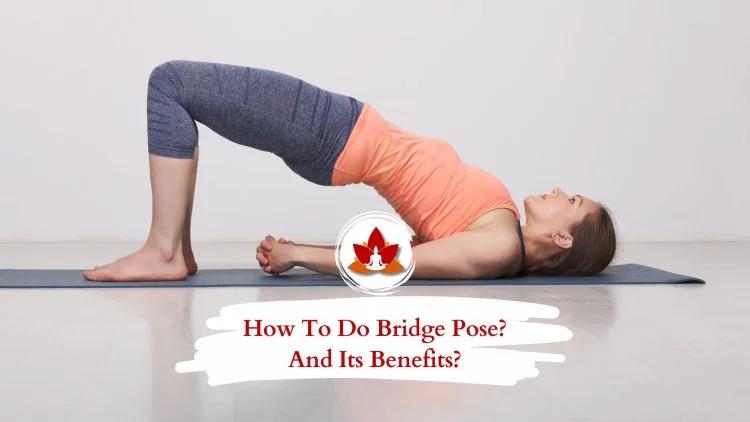
Bridge Pose, known in Sanskrit as Setu Bandhasana, is one of the most popular and beneficial yoga postures practiced across all styles of yoga. Learning how to do bridge pose correctly is essential to experience its full physical, mental, and energetic benefits while avoiding strain or injury. This posture is suitable for beginners yet powerful enough to support advanced practice when performed mindfully.
In this detailed guide, you will learn how to do bridge pose step by step, along with proper alignment tips, breathing guidance, variations, benefits, precautions, and common mistakes to avoid.
What Is Bridge Pose (Setu Bandhasana)?
Bridge Pose is a gentle backbend performed while lying on your back. The pose involves lifting the hips and chest upward while keeping the feet and shoulders grounded. The body forms a bridge-like shape, hence the name.
The Sanskrit word Setu means bridge, Bandha means lock or formation, and Asana means posture. Bridge Pose acts as a bridge between effort and relaxation, strength and flexibility.
Why Learn How to Do Bridge Pose Correctly?
Understanding how to do bridge pose properly helps ensure safety and effectiveness. Incorrect alignment can place unnecessary pressure on the lower back, neck, or knees. When practiced with awareness, Bridge Pose strengthens the spine, opens the chest, calms the mind, and supports overall well-being.
How to Do Bridge Pose: Step-by-Step Instructions
Follow these detailed steps to learn how to do bridge pose safely and effectively.
Step 1: Starting Position
Lie flat on your back on a yoga mat. Keep your arms alongside your body with palms facing down. Bend your knees and place your feet flat on the mat, hip-width apart.
Step 2: Align Your Feet and Knees
Walk your heels closer to your hips until your fingertips can lightly touch your heels. Make sure your knees are directly above your ankles and not falling outward or inward.
Step 3: Ground the Body
Press your feet and arms firmly into the mat. Engage your thighs, glutes, and core muscles to support the lift.
Step 4: Lift the Hips
On an inhale, slowly lift your hips toward the ceiling. Allow your spine to lift one vertebra at a time, starting from the tailbone.
Step 5: Open the Chest
Roll your shoulders slightly underneath your body and gently lift your chest toward your chin. Keep your chin slightly away from the chest to avoid neck compression.
Step 6: Hold the Pose
Hold the posture for 30 to 60 seconds, breathing deeply and evenly. Keep the thighs parallel and the weight evenly distributed across both feet.
Step 7: Release Slowly
To come out of the pose, exhale and slowly lower your spine back to the mat, one vertebra at a time. Rest for a few breaths before moving on.
Breathing in Bridge Pose
Breath awareness is an essential part of learning how to do bridge pose. Inhale as you lift the hips to expand the chest and lungs. Maintain slow, deep breaths while holding the pose. Exhale gently as you release.
Deep breathing enhances relaxation and helps maintain stability in the posture.
Common Mistakes to Avoid
When learning how to do bridge pose, be mindful of these common errors:
-
Over-arching the lower back instead of engaging the core
-
Allowing knees to splay outward or collapse inward
-
Turning the head while holding the pose, which can strain the neck
-
Holding the breath instead of breathing smoothly
Correct alignment ensures safety and maximizes benefits.
Modifications for Beginners
If you are new to yoga, these modifications can help you practice bridge pose comfortably:
-
Place a yoga block or bolster under the hips for support
-
Keep the hands pressing into the mat instead of clasping them
-
Hold the pose for shorter durations, such as 15–20 seconds
These adjustments allow beginners to understand how to do bridge pose without strain.
Advanced Variations of Bridge Pose
Once you are comfortable with the basic posture, you can explore advanced options:
-
Supported Bridge Pose: Use props to relax and restore the body
-
One-Legged Bridge Pose: Lift one foot off the mat to increase strength
-
Dynamic Bridge Pose: Gently lift and lower the hips with the breath
These variations deepen strength and awareness while building confidence.
Benefits of Practicing Bridge Pose
Learning how to do bridge pose offers numerous physical and mental benefits:
-
Strengthens the spine, glutes, and legs
-
Improves spinal flexibility and posture
-
Opens the chest and shoulders for better breathing
-
Reduces stress and calms the nervous system
-
Supports digestion and circulation
Regular practice helps balance both body and mind.
Therapeutic Benefits of Bridge Pose
Bridge Pose is often used in yoga therapy for its gentle and healing effects:
-
Relieves mild lower back pain when practiced correctly
-
Helps reduce fatigue and mental tension
-
May support thyroid function through gentle neck stimulation
-
Encourages relaxation and emotional balance
These therapeutic benefits make it suitable for a wide range of practitioners.
Precautions and Contraindications
While learning how to do bridge pose, keep these precautions in mind:
-
Avoid this pose if you have a serious neck or spinal injury
-
Practice under guidance if you have recent surgery or severe back pain
-
Pregnant individuals should consult a qualified instructor before practicing
Listening to your body is essential for safe yoga practice.
How Often Should You Practice Bridge Pose?
Bridge Pose can be practiced daily as part of a yoga sequence or as a standalone posture. Even a few repetitions held for short durations can be beneficial when practiced consistently.
Regular practice improves strength, flexibility, and relaxation over time.
Conclusion: Mastering How to Do Bridge Pose Mindfully
Learning how to do bridge pose is a valuable step toward building a balanced and sustainable yoga practice. This simple yet powerful posture strengthens the body, calms the mind, and supports overall well-being when practiced with proper alignment and breath awareness.
By following step-by-step instructions, avoiding common mistakes, and listening to your body, you can safely enjoy the many benefits of Bridge Pose. With consistency and mindfulness, this posture becomes a bridge not only for the body, but also for mental clarity, emotional balance, and inner peace.

 Arabic
 Français
 Español
 Português
 Deutsch
 Türkçe
 Dutch
Dutch
 Italiano
 Russian
 Romaian