


Key Facts about Latex Gloves and Their Practical Applications
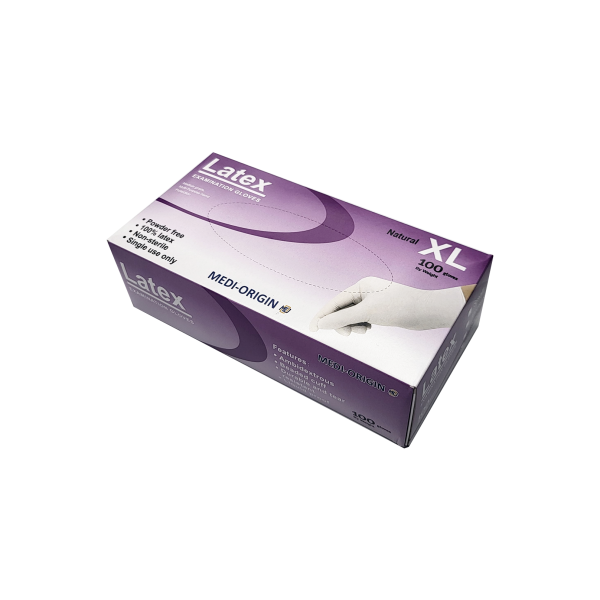
Latex/Rubber Disposable Gloves have established themselves as an essential tool across a variety of professional and personal settings. Their design utilises natural rubber, which provides flexibility and durability, making them suitable for tasks requiring precision and care. These gloves are commonly associated with maintaining hygiene standards and acting as a protective barrier against contaminants and irritants. Found in industries such as healthcare, food services, and laboratories, their role in safeguarding against exposure to harmful substances is widely recognised. Additionally, the availability of different sizes and types ensures their adaptability to diverse needs, enhancing their functionality. The combination of cost-efficiency, tactile sensitivity, and environmental considerations makes latex gloves a practical option in numerous applications. This article examines their material properties, uses, and the standards governing their production, offering insights into their continued relevance in a variety of fields.
Material Composition of Latex/Rubber Gloves
Latex/Rubber Gloves are crafted from natural rubber derived from the sap of the Hevea brasiliensis tree. This material is valued for its remarkable elasticity and resilience, which contribute to the snug fit and durability of the gloves. The unique molecular structure of latex allows it to stretch without tearing, making it highly suitable for tasks demanding precision. Additionally, the material offers exceptional tactile sensitivity, enabling detailed and accurate handling of delicate objects or instruments.
The use of natural rubber also imparts a degree of biodegradability to the gloves, distinguishing them from many synthetic alternatives. This composition supports their versatility and effectiveness across a range of industries while highlighting the benefits of a natural, sustainable material source.
Uses in the Medical Field
Latex/Rubber Disposable Gloves are indispensable in medical environments for maintaining sterile conditions and preventing the transmission of pathogens. They are utilised during examinations, surgeries, and various procedures to create a reliable barrier against potential contaminants. Their elasticity and snug fit ensure ease of movement and precision when handling medical instruments or performing delicate tasks. The high level of tactile sensitivity they provide is especially advantageous in scenarios requiring fine motor skills.
Additionally, their capacity to protect both healthcare professionals and patients from exposure to harmful substances contributes significantly to infection control. These gloves support adherence to stringent hygiene protocols in hospitals, clinics, and other healthcare settings, where their protective properties are essential to ensuring safety and cleanliness.
Importance of Food Handling
Latex/Rubber Disposable Gloves play a vital role in upholding hygiene and safety in food handling environments. Their use minimises the risk of cross-contamination by creating a protective barrier between the handler's skin and food products. This barrier is essential for maintaining the integrity of food safety protocols and preventing the transfer of harmful bacteria or other contaminants.
The elasticity and close fit of these gloves provide the dexterity required for intricate tasks, such as preparing or packaging food items. Latex/Rubber Gloves are widely utilised in settings such as commercial kitchens, catering services, and food processing facilities, where adherence to strict hygiene regulations is crucial. Their application ensures both efficiency and compliance in food safety practices.
Role in Laboratories
Latex/Rubber Disposable Gloves are essential in laboratory settings, offering reliable protection against exposure to harmful chemicals and biological agents. Their ability to form an effective barrier reduces the risk of skin contact with potentially hazardous substances during experiments or testing procedures. The flexibility and tactile sensitivity of Latex/Rubber Gloves enable precise handling of delicate instruments and samples, which is critical in maintaining accuracy in scientific work.
These gloves are also used for preventing contamination between researchers and sensitive materials, supporting the integrity of laboratory processes. By combining comfort, durability, and high levels of dexterity, Latex/Rubber Gloves contribute significantly to creating a safer and more controlled environment in a wide range of scientific and research applications.
Suitability for Personal Protection
Latex/Rubber Disposable Gloves serve as an effective barrier for safeguarding against everyday contaminants and irritants in personal environments. Common applications include household cleaning, where they protect the skin from harsh chemicals, and gardening, where they prevent contact with soil and plant-based allergens. Their elasticity and close fit ensure ease of movement, making them suitable for tasks requiring dexterity.
During periods of heightened concern over transmissible illnesses, these gloves provide an additional layer of protection against germs. Their widespread availability and cost-efficiency make them accessible for diverse personal uses. Latex/Rubber Gloves are a practical choice for tasks that prioritise hygiene and safety, offering a balance of functionality and convenience in various non-professional settings.
Variety in Sizes and Fits
Latex/Rubber Disposable Gloves are designed in various sizes to accommodate a wide spectrum of hand shapes and dimensions, ensuring a secure and comfortable fit. This tailored approach reduces the likelihood of discomfort or slippage during prolonged use, which is particularly important for tasks requiring precision and control. A well-fitted glove enhances both dexterity and effectiveness, reducing the chance of material failure under strain.
Manufacturers produce gloves in options ranging from small to extra-large, catering to diverse user requirements in professional and personal environments. This variety ensures that individuals across different industries can find an appropriate fit, promoting efficiency and reliability in tasks that necessitate protection and tactile sensitivity.
Environmental Considerations for Latex Disposable Gloves
Latex disposable gloves, derived from natural rubber, present an eco-friendlier option compared to many synthetic materials due to their partial biodegradability. Nonetheless, improper disposal practices can undermine these benefits, contributing to waste accumulation. Industries and consumers are encouraged to adopt proper disposal methods, such as utilising designated waste streams or exploring recycling initiatives where available.
Innovations in glove manufacturing continue to focus on reducing the environmental impact by lowering energy consumption and minimising non-biodegradable components. While Latex/Rubber Gloves offer advantages in terms of sustainability over alternatives like nitrile and vinyl, careful attention to disposal and recycling efforts remains essential. Responsible practices across sectors can significantly reduce the ecological footprint associated with the widespread use of Latex/Rubber Gloves.
Comparison with Other Materials
When examining various glove materials, latex stands out for its combination of flexibility and tactile sensitivity, making it suitable for tasks requiring precise movements. In contrast, nitrile gloves are noted for their enhanced resistance to chemicals and punctures, making them preferable in settings where exposure to harsh substances is common. Vinyl gloves, while typically more affordable, often lack the durability and snug fit associated with latex.
Latex/Rubber Gloves, however, offer superior comfort and adaptability in scenarios prioritising dexterity and fine motor skills. The choice of material largely depends on the specific demands of the task and the environment in which the gloves will be used, with each material offering distinct advantages tailored to particular applications.
Allergy Concerns and Solutions
Some individuals may develop sensitivities to the proteins present in natural rubber latex, leading to allergic reactions such as skin irritation, itching, or respiratory symptoms. This issue is particularly relevant in environments where prolonged or repeated glove use is required. To mitigate these risks, powder-free Latex/Rubber Gloves have been developed, as they contain reduced levels of latex proteins, lowering the likelihood of adverse reactions.
Organisations are encouraged to conduct assessments to identify individuals who may be susceptible and provide alternative options when necessary. Non-latex materials, such as nitrile or vinyl, serve as effective substitutes in cases where latex allergies are a concern, ensuring that safety standards are upheld while addressing the needs of those affected.
Cost Effectiveness
Latex/Rubber Disposable Gloves offer a balance of affordability and functionality, making them a practical choice for widespread use across various industries. Their cost-effective nature is attributed to efficient production methods and the accessibility of raw materials, which allow for large-scale manufacturing without compromising quality. These gloves provide a reliable solution for maintaining hygiene in environments such as healthcare and food services, where frequent glove changes are necessary.
The availability of bulk purchasing options further reduces expenses, particularly for organisations requiring high volumes of protective equipment. By offering dependable performance at a reasonable price, Latex/Rubber Gloves meet the demands of both professional and personal settings, supporting essential tasks without imposing a significant financial burden.
Regulations and Standards
Stringent standards govern the manufacturing and utilisation of Latex/Rubber Disposable Gloves to ensure consistent quality and safety. Regulations specify criteria such as material strength, flexibility, and resistance to punctures, ensuring the gloves provide effective protection in various applications. These standards are crucial for industries requiring high levels of hygiene and safety, such as healthcare and food handling.
Regular testing and certification processes verify compliance, maintaining product reliability. Manufacturers are required to follow these guidelines to meet industry benchmarks, reinforcing trust in their use. Adherence to such regulations safeguards both the user and the environment, supporting responsible practices.
Storage and Shelf Life
Latex/Rubber Disposable Gloves should be stored under conditions that preserve their material integrity and functionality. Exposure to heat, direct sunlight, or excessive humidity can weaken the gloves and reduce their durability. To maintain their effectiveness, they should be kept in their original packaging in a cool, dry location, away from sources of ozone or strong light.
Proper storage conditions help prevent premature degradation, ensuring the gloves retain their protective properties. The typical shelf life of Latex/Rubber Gloves ranges from three to five years, provided they are stored correctly and not exposed to adverse environmental factors that may compromise their quality.
Conclusion
In Australia’s professional and domestic landscapes, latex gloves remain a preferred choice for those seeking a "second-skin" fit and unmatched tactile sensitivity. While synthetic alternatives like nitrile have grown in popularity, the natural elasticity and partial biodegradability of latex ensure its continued relevance in 2026. From the precision required in medical theatres to the hygiene standards of commercial kitchens, these gloves provide a reliable, cost-effective barrier. By understanding proper storage and selecting powder-free options to mitigate allergy risks, Australian users can effectively balance high-performance hand protection with the functional demands of various specialised environments.
Frequently Asked Questions about Latex/Rubber Gloves
How do I determine the correct size for Latex Gloves to ensure maximum dexterity?
To find the right fit in an Australian workplace, you should measure the circumference of your dominant hand just below the knuckles, excluding the thumb. Most Australian suppliers categorise sizes as Small (7), Medium (8), Large (9), and Extra Large (10). A correctly sized latex gloves should feel snug but not tight enough to cause hand fatigue or restrict blood flow. If the material bunches at the fingertips, the glove is too large and will compromise your tactile sensitivity; if it overstretches across the palm, it is too small and more likely to tear during use.
What is the environmental benefit of choosing latex over synthetic gloves in Australia?
Latex/Rubber Gloves are made from natural rubber sap, making them a renewable resource. Unlike nitrile or vinyl, which are petroleum-based and can persist in the environment for centuries, natural latex is partially biodegradable. In a controlled composting environment, latex will break down significantly faster than synthetic plastics. However, it is important to note that most Australian municipal recycling programs do not accept used gloves. To minimise your ecological footprint, you should only dispose of non-contaminated gloves in general waste and strictly follow biohazard protocols for any gloves used with chemicals or clinical waste.
Why are powder-free latex disposable gloves recommended for food handling?
Powdered latex disposable gloves traditionally used cornstarch to make them easier to put on, but this powder can pose a risk of cross-contamination in food preparation. The powder can absorb latex proteins and become airborne or fall into food products, potentially triggering an allergic reaction in sensitive consumers. In Australia, the use of powder-free gloves is the standard for the hospitality and food processing industries. These gloves undergo a chlorination process or are lined with a polymer coating to ensure they are easy to don without the need for messy powders that compromise food safety.
What should I do if I notice skin irritation while wearing Latex/Rubber Gloves?
If you experience redness, itching, or a rash, you should immediately remove the gloves and wash your hands with mild soap and water. This could be a sign of Contact Dermatitis or a more serious Type I Latex Allergy. In an Australian workplace, you should report the incident to your health and safety officer. The most effective solution is to switch to a latex-free alternative such as nitrile or vinyl. Many Australian medical facilities are now "latex-essential only" or "latex-free" zones to protect staff and patients from potential sensitisation caused by repeated exposure to natural rubber proteins.
How does the Australian climate affect the shelf life of stored Latex/Rubber Gloves?
The shelf life of latex is generally three to five years, but this can be shortened by Australia’s high UV levels and temperature fluctuations. High heat can cause the natural rubber to oxidise, making the gloves brittle and prone to cracking. To preserve your stock, keep the boxes in a cool, dark cupboard away from windows or heat-generating machinery. You can check if a glove has perished by stretching the cuff; if it fails to snap back to its original shape or if you see "crazing" (tiny cracks) on the surface, the gloves have degraded and should be discarded.
|
Related Business Listings |

 English
 Arabic
 Français
 Español
 Português
 Deutsch
 Türkçe
 Dutch
Dutch
 Russian
 Romaian