


Embroidery Digitizing in USA: Creativity, and Modern Craftsmanship
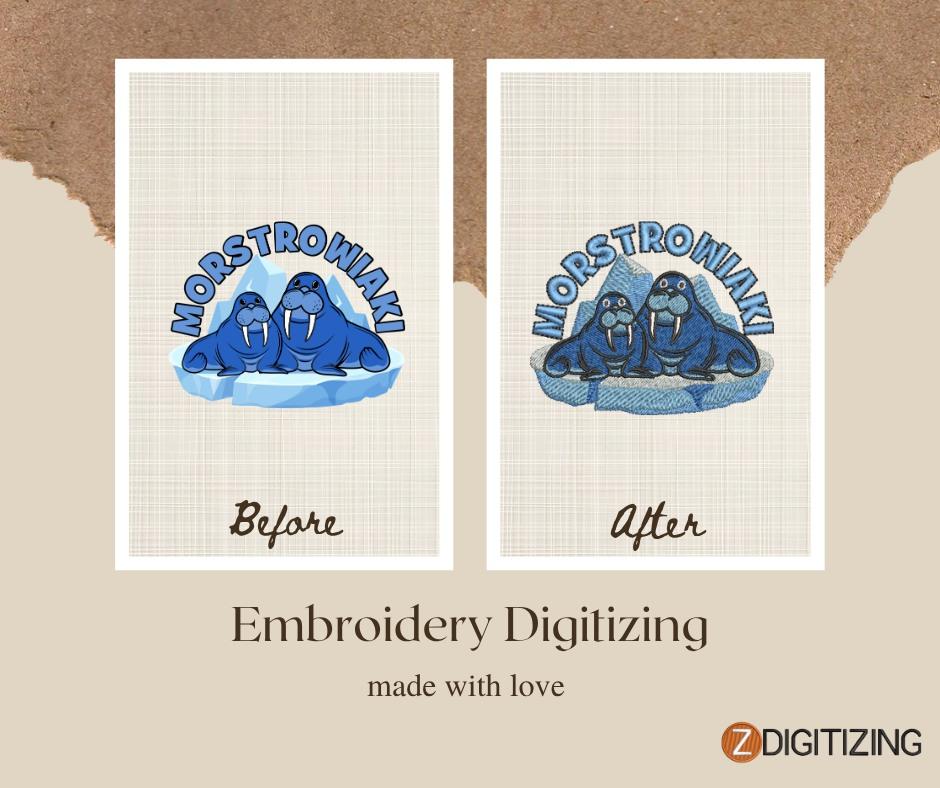
Embroidery digitizing has significantly changed how designs are applied to fabric. What began as a manual technique has developed into a specialized digital process that combines artistic understanding with technical accuracy.
Embroidery digitizing in USA is widely recognized for its focus on quality control, consistency, and reliable production standards, making it an essential service for apparel brands, promotional product suppliers, and custom embroidery professionals.
Embroidery digitizing refers to the conversion of artwork into a stitch-based digital file that embroidery machines can interpret. This file defines stitch types, stitch direction, density, and sequence, ensuring the embroidered output closely matches the original design while remaining suitable for fabric and machine requirements.
Why Embroidery Digitizing Is Essential
Quality digitizing is the foundation of professional embroidery. Even high-end embroidery machines depend on well-prepared stitch files to perform correctly. Proper digitizing helps prevent common production issues and improves the overall finish of embroidered products.
Professional embroidery digitizing supports:
- Accurate logo and artwork reproduction
- Consistent results across multiple garments
- Reduced thread breaks and machine stoppages
- Improved durability of embroidered designs
When digitizing is handled incorrectly, embroidery may appear uneven, overly dense, or poorly aligned, which affects both visual quality and fabric performance.
Understanding the Embroidery Digitizing Process
Embroidery digitizing involves more than converting an image into stitches. It requires experience, technical judgment, and an understanding of how stitches behave on different fabrics.
The process typically begins with artwork evaluation, where the design’s size, complexity, and color details are reviewed. Stitch types such as satin, fill, or running stitches are then selected based on design elements. Stitch direction and sequencing are carefully planned to maintain smooth flow and reduce unnecessary trims. Density is adjusted to avoid puckering or fabric stress, followed by test stitching and refinement to ensure reliable production results.
Each stage plays an important role in delivering embroidery that looks clean, professional, and consistent across multiple applications.
Where Embroidery Digitizing Is Commonly Used
Embroidery digitizing supports a wide range of applications across industries. Its adaptability allows businesses to create customized textile products that maintain a professional appearance over time.
Common uses include embroidered logos on uniforms, branded caps and bags, decorative elements on home textiles, promotional merchandise, and personalized apparel. Due to its textured finish and durability, embroidery is often selected for long-term branding and repeated use.
The Role of Skilled Digitizers
While digitizing software is essential, expertise remains the deciding factor in final quality. Skilled digitizers understand how fabric type, thread tension, and stitch behavior interact during production. This knowledge helps prevent issues such as thread breaks, distortion, or poor alignment.
Experienced digitizers focus on balanced stitch counts, clean edges, proper underlay placement, and design adjustments suited to different materials. Their attention to detail ensures that embroidery machines operate efficiently while delivering consistent results.
Industry Developments in Embroidery Digitizing
Embroidery digitizing continues to adapt to changing design preferences and production demands. Modern embroidery requires lighter stitch counts, cleaner detailing, and compatibility with a wide range of machines.
Current developments include increased demand for fine-line embroidery, structured puff designs, faster turnaround times, and greater emphasis on customization. These changes highlight the importance of digitizing services that combine technical efficiency with practical production knowledge.
Selecting a Reliable Digitizing Service
Choosing a dependable digitizing service directly affects embroidery quality and production efficiency. A well-prepared stitch file minimizes errors, reduces rework, and saves valuable production time.
Key considerations when selecting a service include proven experience, a strong design portfolio, understanding of various embroidery styles, revision support, and compatibility with multiple machine formats. Clear communication and consistent output are also critical for long-term collaboration.
Final Thoughts
Embroidery digitizing in USA reflects a balance between traditional embroidery knowledge and modern digital processes. It plays a key role in converting creative concepts into durable, production-ready embroidered designs. From branding and workwear to promotional and personalized products, professional digitizing ensures consistent quality and reliable results.
As demand for custom embroidery grows, investing in experienced digitizing services remains essential for businesses seeking long-term value and dependable production outcomes.
FAQs
What is embroidery digitizing?
Embroidery digitizing is the process of converting artwork into a digital stitch file that embroidery machines use to create designs on fabric.
Why is professional digitizing important for embroidery?
Professional digitizing ensures accurate stitching, reduces machine errors, improves design durability, and delivers consistent results across multiple garments.
Can one digitized file be used on different fabrics?
Not always. Different fabrics require adjustments in stitch density, underlay, and sequencing to achieve proper results.
How does skilled digitizing improve production efficiency?
Experienced digitizers optimize stitch paths and density, which reduces thread breaks, machine downtime, and material waste.

 English
 Arabic
 Français
 Español
 Português
 Deutsch
 Dutch
Dutch
 Italiano
 Russian
 Romaian