


Bacterial vs. Viral Infections: The Differences Explained
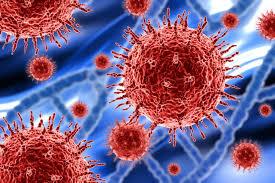
Infections are commonly caused by bacteria or viruses, and although they may produce similar symptoms, they are very different in nature. Understanding the difference between bacterial and viral infections is important for choosing the right treatment and avoiding unnecessary medication use.
What Are Bacterial Infections?
Bacteria are single-celled microorganisms that can live in various environments, including the human body. While many bacteria are harmless or even beneficial, some can cause illness. Common bacterial infections include strep throat, urinary tract infections (UTIs), tuberculosis, pneumonia caused by bacteria, and certain skin infections. Bacterial infections often respond well to antibiotics, which work by killing bacteria or stopping their growth. Medicines such as azithromycin and levofloxacin are widely prescribed under medical guidance to treat specific bacterial conditions, depending on the type and severity of the infection.
What Are Viral Infections?
Viruses are much smaller than bacteria and cannot survive or reproduce on their own. They invade healthy cells and use them to multiply. Common viral infections include the common cold, influenza (flu), COVID-19, measles, chickenpox, and viral hepatitis. Unlike bacterial infections, viral infections do not respond to antibiotics. Instead, treatment usually focuses on relieving symptoms, supporting the immune system, and in some cases using antiviral medications designed specifically for certain viruses.
Key Differences Between Bacterial and Viral Infections
One of the main differences lies in treatment. Antibiotics are effective only against bacteria, not viruses. Using antibiotics for viral infections is ineffective and can contribute to antibiotic resistance, a growing global health concern. Another difference is duration; viral infections often resolve on their own within a few days to weeks, whereas bacterial infections may worsen without proper antibiotic treatment.
Symptoms can overlap, making diagnosis challenging. Fever, fatigue, cough, and body aches may occur in both types of infections. However, bacterial infections are more likely to cause localized symptoms such as pus formation, severe sore throat with white patches, or persistent high fever. Laboratory tests, cultures, and clinical evaluation help doctors determine the exact cause.
Why Proper Diagnosis Matters
Accurate diagnosis ensures the right treatment is given at the right time. For example, prescribing antibiotics only when a bacterial infection is confirmed helps protect their effectiveness. In the pharmaceutical supply chain, trusted sources such as an Azee 500 Supplier play a role in ensuring quality medications are available for appropriate bacterial treatments. Similarly, access to antibiotics like levofloxacin Australia highlights the importance of regulated distribution and responsible use under prescription.
Prevention and Best Practices
Preventing infections starts with good hygiene, such as regular handwashing, safe food practices, and staying up to date with vaccinations. Vaccines are especially effective against many viral infections and some bacterial ones. Avoiding self-medication, completing prescribed antibiotic courses, and consulting healthcare professionals are essential steps in managing infections safely.
Conclusion
While bacterial and viral infections may seem similar, their causes, treatments, and management differ significantly. Understanding these differences helps patients make informed decisions, reduces misuse of antibiotics, and supports better overall health outcomes. Proper diagnosis, responsible medication use, and preventive care remain the foundation of effective infection control.

 English
 Français
 Español
 Português
 Deutsch
 Türkçe
 Dutch
Dutch
 Italiano
 Russian
 Romaian