


Chronic Constipation: Expert Tips for Long-Term Relief
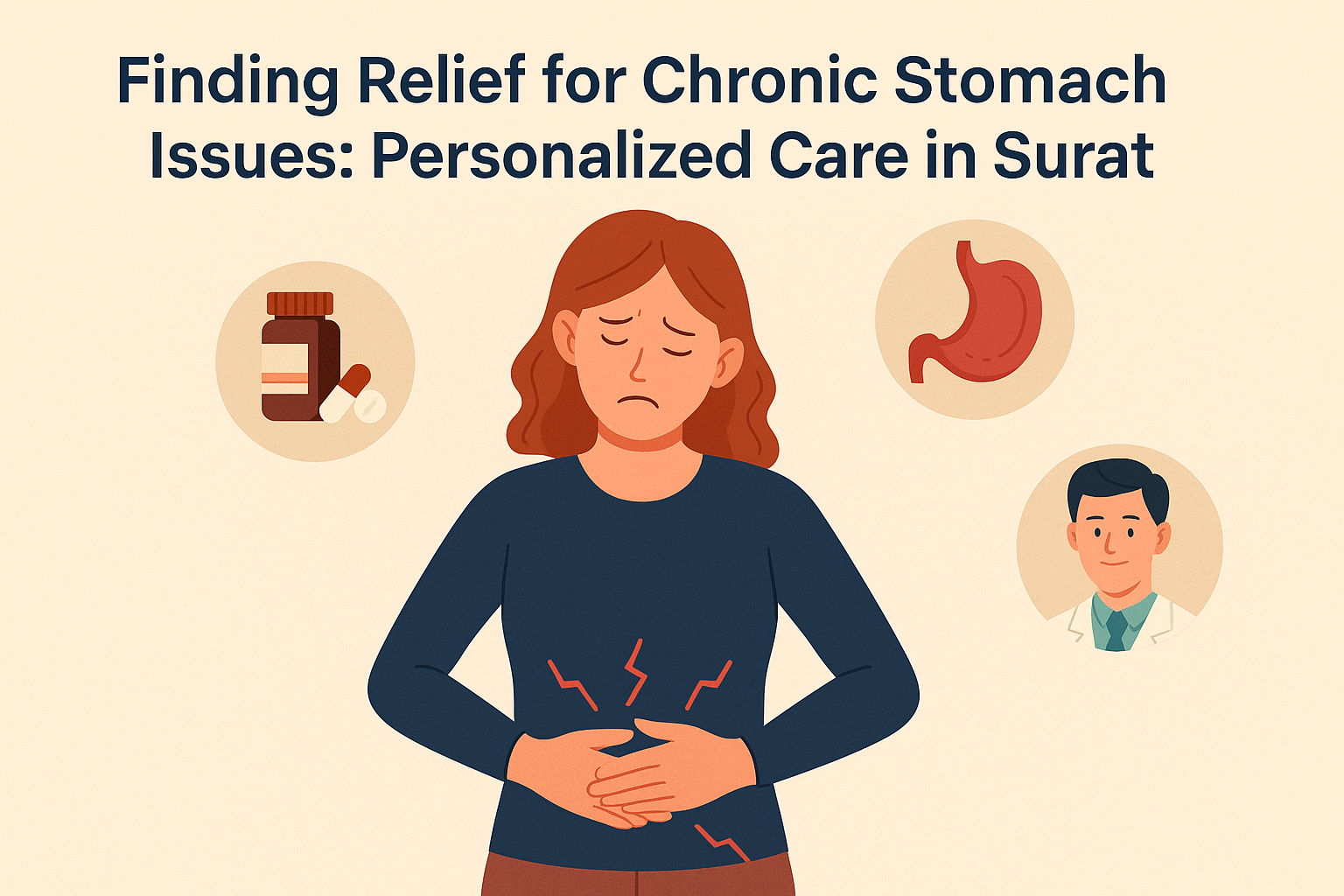
Constipation is something almost everyone experiences at some point, but when it becomes long-term, it can impact your daily life and overall health. Chronic constipation means having fewer than three bowel movements per week, hard stools, or difficulty passing stool for several weeks or longer. Over time, it can lead to discomfort, bloating, abdominal pain, and even complications like hemorrhoids or anal fissures. If you’ve been struggling with it, understanding its causes and long-term relief options is key.
This article will guide you through what chronic constipation is, why it happens, and how you can find lasting relief with expert-backed tips and treatment options.
Understanding Chronic Constipation
Chronic constipation is more than just occasional irregularity. It often comes with these symptoms:
-
Passing hard or lumpy stools
-
Straining during bowel movements
-
Feeling like your bowels aren’t fully empty
-
Needing to use your hands or fingers to help stool pass
-
Persistent bloating or abdominal discomfort
If these issues continue for more than a few weeks, it’s time to take action. Consulting a dr liver specialist or a digestive health expert at reputed hospitals like SIDS Hospital Surat can help uncover underlying causes and create a personalized treatment plan.
Common Causes of Chronic Constipation
Chronic constipation can be triggered by many factors, including:
-
Low-fiber diet: Eating little to no fruits, vegetables, and whole grains.
-
Dehydration: Not drinking enough water can make stools dry and hard.
-
Lack of physical activity: Sedentary lifestyles slow down bowel movements.
-
Ignoring the urge to go: Delaying bowel movements can make constipation worse.
-
Medications: Some painkillers, antidepressants, and iron supplements can cause constipation.
-
Digestive disorders: Conditions like irritable bowel syndrome (IBS) or hypothyroidism.
-
Changes in routine: Travel, pregnancy, or aging can affect bowel habits.
Expert Tips for Long-Term Relief
Here are effective, practical ways to improve your bowel health and get long-term relief:
-
Add More Fiber to Your Diet
-
Eat high-fiber foods like whole grains, beans, lentils, leafy greens, apples, and pears.
-
Aim for 25–35 grams of fiber per day. Introduce fiber slowly to avoid bloating.
-
-
Stay Hydrated
-
Drink at least 8–10 glasses of water daily.
-
Herbal teas and warm water can also stimulate digestion.
-
-
Exercise Regularly
-
Brisk walking, yoga, and light cardio help stimulate your intestines.
-
Aim for at least 30 minutes of activity most days.
-
-
Develop a Routine
-
Try going to the bathroom at the same time every day, ideally after a meal.
-
Don’t ignore the urge to have a bowel movement.
-
-
Try Probiotics
-
Yogurt, kefir, and probiotic supplements can improve gut health.
-
-
Limit Processed Foods
-
Reduce foods high in sugar and unhealthy fats that slow digestion.
-
-
Use Natural Remedies Carefully
-
Flaxseeds, chia seeds, and prunes can naturally ease constipation.
-
-
Consult a Specialist If Needed
-
Long-term constipation may need medical treatment or further testing.
-
Treatment Options for Chronic Constipation
If lifestyle changes aren’t enough, doctors may recommend:
-
Laxatives: Used short-term to help soften stool or stimulate bowel movement.
-
Fiber Supplements: Psyllium husk or methylcellulose can help increase stool bulk.
-
Prescription Medications: For people with chronic constipation that doesn’t respond to other treatments.
-
Biofeedback Therapy: Helps retrain muscles used for bowel movements.
-
Surgical Options: Rarely required but may be considered if constipation is caused by structural problems in the colon or rectum.
When to See a Doctor
It’s important to see a doctor if you have:
-
Severe or long-lasting constipation
-
Blood in stool
-
Unexplained weight loss
-
Severe abdominal pain
-
Vomiting or nausea
Chronic constipation can sometimes signal an underlying digestive issue that needs professional care.
FAQs
1. How long is too long to be constipated?
If you’ve had fewer than three bowel movements a week for several weeks, it’s considered chronic constipation.
2. Can constipation damage my body?
Yes. Long-term constipation can lead to hemorrhoids, anal fissures, or rectal prolapse if untreated.
3. What foods should I avoid if I’m constipated?
Cut down on processed foods, red meat, fried foods, and excessive dairy.
4. Is coffee good for constipation?
Yes, for some people, coffee can stimulate bowel movements, but it’s not a solution for everyone.
5. When should I see a doctor for constipation?
Seek help if constipation lasts more than 3 weeks, causes pain, or if you notice blood in your stool.
Final Thoughts
Chronic constipation is uncomfortable but treatable with the right approach. Small lifestyle changes like eating more fiber, drinking plenty of water, exercising, and managing stress can make a big difference. If symptoms persist, consulting a specialist at trusted facilities such as SIDS Hospital Surat can help you find the root cause and create a personalized plan for relief. With expert advice and consistent care, long-term constipation doesn’t have to control your life.

 Arabic
 Français
 Español
 Português
 Deutsch
 Türkçe
 Dutch
Dutch
 Italiano
 Russian
 Romaian