


A Practical Guide to Real Estate Farming Automation for Consistent Leads
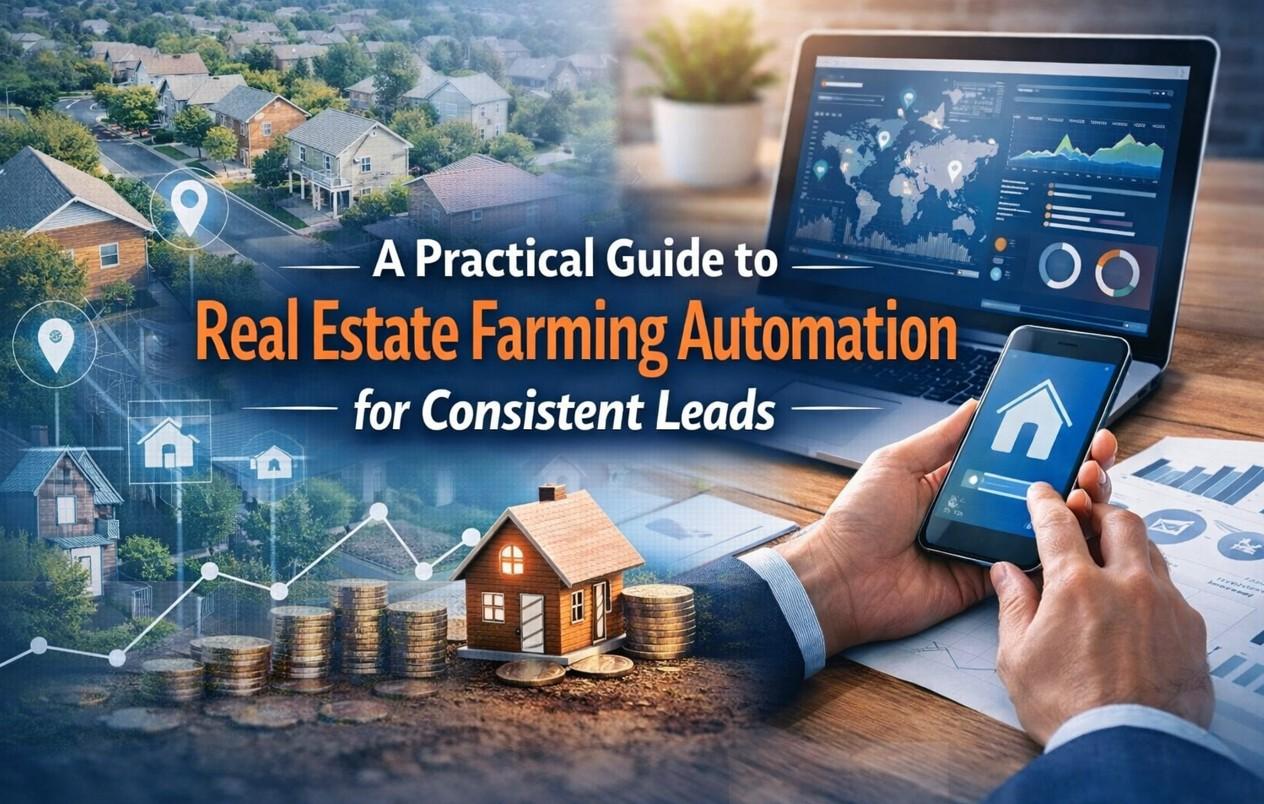
Many real estate agents struggle with inconsistent lead flow. One month feels busy, while the next feels silent. This cycle often happens because marketing efforts stop and start. Real estate farming automation solves this problem by creating steady, repeatable outreach within a defined neighborhood.
Instead of guessing what to do next, automation follows a system. That system keeps your name visible, your messaging consistent, and your presence reliable. As a result, homeowners begin to recognize you long before they need an agent. When the time comes, they reach out first.
This practical guide explains exactly how real estate farming automation works, how to set it up correctly, and how to use it to build dependable leads over time.
Step 1: Understand the Goal of Farming Automation
The goal of real estate farming automation is not instant results. Instead, the goal is familiarity. Homeowners must see your name repeatedly before they feel comfortable contacting you.
Automation supports this by keeping your outreach active every month. Because messages go out consistently, trust builds naturally. Over time, this trust turns into listing calls and referrals.
Therefore, agents should view farming automation as a long-term system rather than a short campaign.
Step 2: Choose the Right Farming Area
A practical farming strategy starts with a smart area choice. Many agents make the mistake of choosing large neighborhoods. Smaller, focused areas usually perform better.
Look for neighborhoods with:
-
Stable home values
-
Reasonable turnover
-
Clear geographic boundaries
Automation works best when exposure feels personal. Because of that, fewer homes with more repetition often outperform broader coverage.
Once selected, commit to the area. Changing locations resets recognition and delays results.
Step 3: Set Up Consistent Messaging
Consistency matters more than creativity in farming. Homeowners respond to repetition, not constant changes.
Automated systems allow you to:
-
Use the same branding each month
-
Keep messaging simple and clear
-
Maintain a predictable schedule
Your message should speak to homeowners, not other agents. Avoid sales pressure. Instead, focus on local expertise, market awareness, and helpful reminders.
Because automation repeats this messaging, clarity becomes more powerful over time.
Step 4: Schedule Campaigns in Advance
One major advantage of real estate farming automation is planning once and executing for months.
Agents typically schedule:
-
Monthly postcards
-
Supporting emails
-
Optional digital ads
Once scheduled, the system runs without daily attention. As a result, marketing continues during busy seasons, vacations, or high transaction volume.
This structure prevents gaps that weaken visibility.
Step 5: Use Multiple Touchpoints Together
Effective farming uses more than one channel. Automation makes multi-channel outreach manageable.
Common combinations include:
-
Direct mail plus email
-
Direct mail plus digital ads
-
Direct mail plus voicemail drops
When homeowners see your name in different places, recognition grows faster. This repetition reinforces memory without increasing effort.
However, frequency should stay reasonable. Automation helps control spacing so outreach feels consistent, not overwhelming.
Step 6: Track Performance and Stay Patient
Farming automation platforms provide reports on delivery and engagement. While early response may feel slow, data confirms progress.
Most agents see stronger results after several months. That delay is normal. Familiarity takes time.
Instead of stopping early, review performance quarterly. Look for trends rather than immediate calls. Adjust messaging slightly if needed, but keep the system running. Patience is part of the process.
How Real Estate Farming Automation Creates Consistent Leads
Automated farming creates consistent leads by warming homeowners over time. When sellers reach out, they already trust you.
These leads differ from cold inquiries. They usually:
-
Convert faster
-
Require less explanation
-
Show stronger loyalty
Because of that, agents spend less time convincing and more time closing. Over time, farming has become one of the most reliable lead sources.
Budgeting for Farming Automation
Many agents worry about cost. However, automation often reduces waste. Instead of paying for scattered marketing, automation creates predictable monthly expenses. This allows better planning.
Agents can start with smaller areas and expand gradually. As results appear, reinvesting becomes easier. Viewed over time, the cost per lead usually decreases as recognition grows.
Common Mistakes That Limit Results
Even with automation, mistakes happen. Some agents stop after a few months. This prevents momentum.
Others change branding too often. This weakens recognition. Some ignore reports. This limits improvement. The most successful agents stay consistent, review data regularly, and trust the process.
Best Practices for Long-Term Success
-
Commit to one area for at least six months
-
Keep messaging simple and homeowner-focused
-
Maintain consistent branding
-
Review results quarterly
-
Let automation handle repetition
Following these steps keeps your system working smoothly.
Conclusion
A practical approach to real estate farming automation focuses on consistency, patience, and clear messaging. By automating neighborhood outreach, agents maintain visibility without daily effort. Over time, this steady presence creates trust, recognition, and a reliable flow of local leads.
Build predictable visibility and steady inquiries with real estate farming automation powered by Harvist. Start maintaining consistent neighborhood outreach today and position your brand for reliable local leads without daily manual effort.
FAQs
1. What is real estate farming automation?
Real estate farming automation is a system that schedules and manages recurring marketing in a specific neighborhood. It helps agents stay visible through consistent outreach without handling each task manually.
2. How long does it take to see results from farming automation?
Most agents begin seeing stronger recognition and inbound leads after several months. Consistency over time matters more than short-term activity when building local trust.
3. Is real estate farming automation suitable for new agents?
Yes, new agents benefit greatly because automation keeps marketing active while they focus on learning, networking, and client service. It builds credibility early in targeted areas.
4. How large should a farming area be?
Smaller areas usually perform better. A focused neighborhood allows repeated exposure, which improves name recognition and increases the likelihood of homeowner response.
5. Does farming automation replace other lead sources?
No, it supports them. Real estate farming automation creates warm, inbound opportunities that complement referrals, online leads, and open house traffic.

 Arabic
 Français
 Español
 Português
 Deutsch
 Türkçe
 Dutch
Dutch
 Italiano
 Russian
 Romaian