


Solar Tracker Market Overview and Competitive Landscape
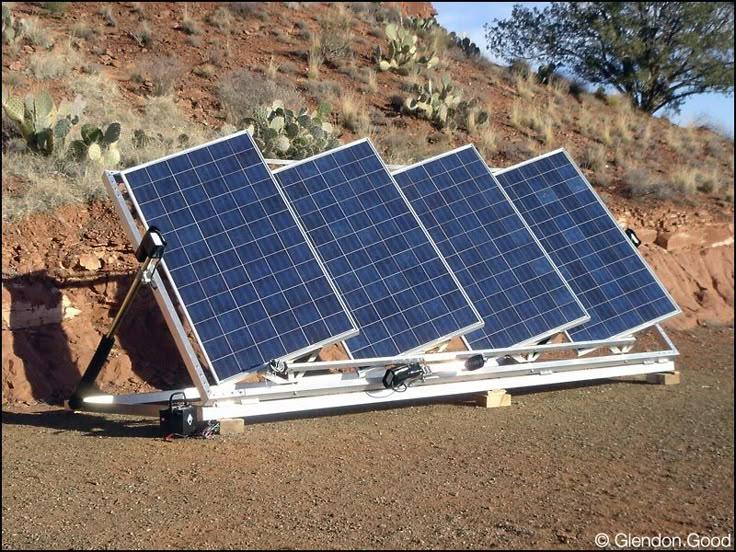
The global pursuit of clean energy has propelled solar power to the forefront of sustainable electricity generation. Solar photovoltaic (PV) installations are expanding rapidly across utility, commercial, and residential segments as nations aim to reduce carbon emissions, diversify energy portfolios, and achieve renewable energy targets. Yet, maximizing the efficiency of solar installations remains a critical objective as the industry matures. Solar trackers — mechanical systems that orient solar panels toward the sun throughout the day — are increasingly viewed as a vital solution to elevate energy yields and improve return on investment.
Solar trackers have transitioned from niche enhancements to a mainstream component of large-scale solar farms and even mid-sized commercial installations. By dynamically adjusting the position of PV modules, trackers can capture more sunlight and generate significantly higher electricity compared to fixed-tilt systems. This technology is reshaping how solar projects are designed, financed, and operated.
This article provides a comprehensive and original analysis of the Solar Tracker market, covering growth drivers, emerging technologies, applications, regional dynamics, challenges, competitive landscape, and future outlook.
Click Here to Download a Free Sample Report
What Are Solar Trackers?
Solar trackers are mechanical systems that align photovoltaic modules with the sun’s trajectory to maximize solar irradiance exposure. Unlike fixed-tilt systems that remain in a single orientation, trackers adjust panel angles throughout the day, enhancing energy capture — especially during early morning and late afternoon.
Two primary types of solar trackers dominate the market:
- Single-Axis Trackers: Rotate panels along one axis (typically north-south) to follow the sun’s path from east to west daily.
- Dual-Axis Trackers: Adjust panels both horizontally and vertically, enabling more precise tracking of the sun’s daily and seasonal positions.
Both designs aim to increase annual energy yield but differ in complexity, cost, and ideal application environments.
Market Drivers
1. Rising Need for Higher Energy Yields
As solar PV deployment scales globally, maximizing energy output per installed megawatt becomes financially and operationally critical. Solar trackers offer significant gains — studies and field installations have shown yield increases of 15–35% for single-axis and up to 40% or more for dual-axis systems compared to fixed-tilt arrays, depending on geographic conditions and system design.
This improved performance translates directly into higher revenues and better asset performance, making trackers a compelling choice for large utility and commercial projects where land and solar resources are premium.
2. Declining Cost of Solar Trackers
Historically, trackers were considered cost-prohibitive due to added mechanical complexity. However, continuous engineering innovation, modular designs, economies of scale, and competitive manufacturing have driven costs lower. These trends improve the overall cost per kilowatt-hour (kWh) economics and accelerate the adoption of tracking systems.
As tracker vendors streamline manufacturing and deploy standardized components, project developers are more willing to incorporate them into a broader array of solar projects.
3. Policy Support and Renewable Energy Targets
Government policies and renewable energy mandates have a strong influence on tracker adoption. Jurisdictions with high renewable portfolio standards, tax incentives, and preferential financing for high-yield solar projects encourage developers to choose tracker systems over fixed arrays. For instance, incentives tied to capacity factors or bonus credits for efficient energy generation favor technologies that enhance performance.
Policy environments that reward clean energy competitiveness indirectly drive tracker demand.
4. Technological Advances and Integration with Digital Platforms
Modern solar trackers are increasingly integrated with digital technologies — IoT sensors, real-time performance monitoring, predictive maintenance algorithms, and automated control systems. These enhancements reduce operational costs, improve uptime, and enable remote diagnostics, boosting the attractiveness of trackers as a long-term asset enhancement.
With software-defined controls and machine-learning-enabled analytics, solar trackers are evolving beyond mechanical systems into smart energy infrastructure.
5. Expansion of Utility-Scale and Commercial Solar Projects
Large solar farms and commercial installations benefit the most from tracking systems due to the economies of scale involved. As these segments continue rapid growth, they pull the solar tracker market forward. Utility projects, in particular, are under pressure to optimize land use, reduce levelized cost of electricity (LCOE), and maximize energy delivery under power purchase agreements (PPAs), all of which promote tracker adoption.
Technology Trends
1. Advanced Dual-Axis Systems
Dual-axis trackers represent the cutting edge of solar alignment technology. By adjusting solar panels along both horizontal and vertical axes, they capture the maximum possible sunlight throughout daily and seasonal cycles. Although more expensive and complex than single-axis trackers, dual-axis systems are ideal in regions with high direct normal irradiance and for specialized applications such as high-performance microgrids.
Emerging designs emphasize robustness, fewer mechanical failures, and simplified controls, narrowing the cost and reliability gap with single-axis systems.
2. Solar Tracker with Integrated Energy Storage Controls
Increasingly, solar trackers are designed to work synergistically with energy storage systems (ESS). By coordinating solar generation profiles with battery charging and discharge cycles, integrated systems improve energy reliability, grid responsiveness, and peak load management. This integration is particularly relevant for microgrids and hybrid renewable installations.
3. Lighter, Low-Maintenance Mechanisms
Manufacturers are focusing on reducing tracker weight and moving parts to minimize maintenance needs. Improved materials such as high-strength composites and corrosion-resistant alloys extend system lifespans while reducing operational costs. These advancements also allow trackers to be deployed in challenging environments like offshore floating solar systems and high-wind regions.
4. AI-Powered Predictive Maintenance
Artificial intelligence and machine learning are transforming how solar trackers are monitored and maintained. Predictive maintenance systems use real-time data to forecast potential failures, optimize cleaning cycles based on environmental conditions, and adjust alignment for weather anomalies — all of which enhance uptime and reduce lifecycle costs.
Market Segmentation
By Tracker Type
- Single-Axis Trackers
- Dual-Axis Trackers
Single-axis systems currently dominate due to lower capital costs and simpler operations, especially in large utility installations. Dual-axis trackers are growing in niche applications where efficiency gains justify higher upfront investment.
By Mounting Type
- Ground-Mounted Systems
- Rooftop Applications
- Floating Solar Trackers
Ground-mounted solar installations form the largest segment, aligned with utility and commercial project growth. Emerging segments such as floating solar trackers represent innovation tied to land scarcity and water-surface installations.
By End-Use
- Utility Scale
- Commercial and Industrial (C&I)
- Residential
Utility scale consistently leads due to the economic incentive for maximum energy yield, with C&I markets accelerating as businesses adopt renewable energy strategies to meet sustainability targets.
Regional Dynamics
North America
North America, particularly the United States, stands as a leading market for solar trackers. Strong solar PV deployment, state-level renewable energy mandates, and favorable tax incentives like the Investment Tax Credit (ITC) have boosted tracker adoption, especially in large utility projects in California, Texas, and the Southwest.
Europe
Europe’s solar tracker market is growing as energy policy frameworks and carbon reduction goals encourage high-efficiency solar installations. Countries in Southern Europe and the Mediterranean are particularly attractive for tracker systems due to ample solar resources.
Asia-Pacific
Asia-Pacific is projected to witness the fastest growth, driven by China, India, and Southeast Asian nations. Rapid expansion of solar installations, aggressive renewable energy targets, and increasing interest in utility and distributed solar projects make this region a core growth engine.
Latin America
Latin America shows promising potential as governments seek to diversify energy sources and capitalize on abundant solar irradiance. Tracker systems are especially appealing in countries like Brazil, Chile, and Mexico, where utility solar projects are expanding rapidly.
Middle East & Africa
While adoption is in early stages compared to other regions, the Middle East and Africa exhibit high long-term potential due to solar resource wealth and renewable energy initiatives. Large solar parks in Gulf states and renewable targets in North Africa make trackers an attractive component of future solar capacity.
Competitive Landscape
The Solar Tracker market is highly competitive and characterized by both specialized tracker manufacturers and larger renewable energy equipment providers that incorporate tracking solutions into broader solar offerings.
Key competitive factors include:
- Technology innovation
- System reliability and durability
- Cost competitiveness
- Global distribution and installation networks
- After-sales service and monitoring capabilities
Leading vendors are increasingly investing in R&D to reduce system costs, improve automation, and expand into new geographic markets.
Market Challenges
1. Initial Capital Costs
Although trackers improve energy yield, they require higher upfront investment compared to fixed-tilt systems. Securing financing and demonstrating rapid return on investment remain critical considerations for project developers, particularly in budget-constrained or emerging markets.
2. Operation and Maintenance Complexity
Trackers introduce mechanical and electrical complexity. Even with modern automation, maintenance requirements — such as lubrication, alignment checks, and sensor calibration — can be barriers, especially in remote installations.
3. Site and Soil Limitations
Terrain conditions such as uneven ground, rocky soils, or areas prone to flooding can complicate tracker installation. Advanced civil engineering measures may be required, increasing project costs and timelines.
4. Supply Chain Constraints
Global supply chain challenges, including limited availability of key components and logistic bottlenecks, can delay project execution and increase costs — particularly for emerging markets with less robust industrial infrastructure.
Growth Opportunities
Integration with Energy Storage
As solar installations increasingly pair with batteries to address intermittency, trackers can play an important role in maximizing energy generation for storage charging cycles, enhancing grid stability and resilience.
Expansion in Distributed Generation
Commercial and industrial users are adopting solar trackers to lower electricity costs, meet sustainability commitments, and optimize energy supply for high-load facilities. This shift creates opportunities beyond utility scale.
Floating Solar Projects
Floating solar — a growing trend in water bodies and reservoirs — presents opportunities for tracker adaptation. Floating solar trackers can boost energy yield, reduce water evaporation, and utilize under-researched deployment zones.
Repowering and Retrofit Projects
Older solar farms with fixed-tilt systems are increasingly being retrofitted with trackers to enhance energy production. Market demand for upgrade solutions and hybrid system integration represents a niche expansion path.
Future Outlook
The Solar Tracker market is poised for sustained growth as the global energy landscape evolves. Even as fixed-tilt systems remain cost-competitive for some projects, the compelling performance advantages of trackers — especially when paired with digital optimization and storage systems — make them a strategic choice for efficient solar deployment.
By 2035 and beyond, solar trackers may shift from optional upgrades to near-standard components in utility and commercial projects, particularly in regions aiming for high capacity factors and aggressive renewable targets. Technological progress, cost optimization, and policy support will further solidify the market’s trajectory.
Conclusion
Solar trackers have emerged as a defining technology in the next phase of solar energy deployment. By enabling dynamic adjustment of PV panels, trackers significantly improve energy yields and drive down the effective cost of solar electricity. Their adoption reflects not just an interest in renewable capacity expansion but a strategic focus on efficiency, resilience, and economic performance.
Though challenges such as cost, maintenance, and site constraints remain, continued technological innovation and supportive policy environments will sustain the Solar Tracker market’s growth momentum. As solar power becomes a central pillar of the global energy mix, solar trackers will play an essential role in unlocking maximum energy potential from every renewable installation.

 English
 Français
 Español
 Português
 Deutsch
 Türkçe
 Dutch
Dutch
 Italiano
 Russian
 Romaian