


When Should Palliative Care Begin During Cancer Therapy?
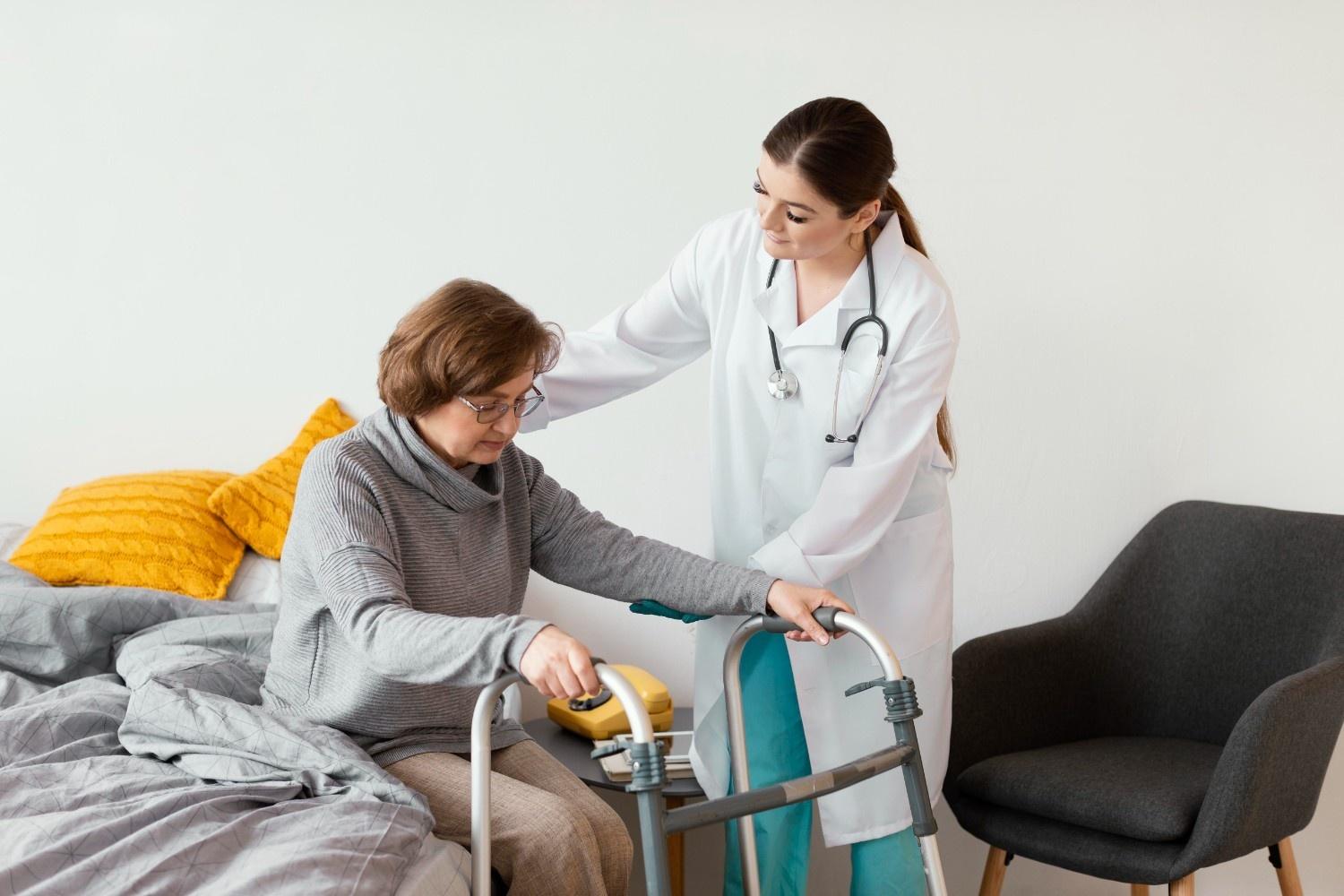
A cancer diagnosis brings many emotions, questions, and decisions. Alongside treatments aimed at controlling or curing the disease, patients often face pain, fatigue, emotional distress, and uncertainty. This is where Palliative Care Treatment plays a vital role, offering comfort, clarity, and compassionate support throughout the cancer journey.
Palliative care is not limited to end-of-life situations. It is a supportive approach designed to improve quality of life at any stage of cancer therapy. Understanding when to begin this care can help patients and families feel more supported, informed, and empowered during treatment.
Understanding the Purpose of Palliative Care
Palliative care focuses on relieving symptoms, managing side effects, and addressing emotional, psychological, and spiritual concerns. It works alongside curative or life-prolonging treatments such as surgery, chemotherapy, or radiation.
The goal of Palliative Care Treatment is not to replace cancer therapy but to complement it. By addressing pain, breathlessness, anxiety, and treatment-related discomfort early, patients are often better able to tolerate and continue their prescribed cancer treatments.
When Is the Right Time to Start Palliative Care?
The most effective time to begin palliative care is often early in the cancer journey, soon after diagnosis. Early involvement allows patients to receive symptom relief and emotional support before challenges become overwhelming.
Starting Palliative Care Treatment early helps build a trusted care relationship. It ensures symptoms are managed proactively rather than reactively, leading to improved comfort and fewer treatment interruptions.
Palliative Care During Active Cancer Treatment
Many patients believe palliative care is only needed when treatment stops working. In reality, it is highly beneficial during active therapy. Chemotherapy, radiation, and targeted treatments can cause side effects such as nausea, pain, fatigue, and sleep disturbances.
Integrating Palliative Care Treatment during ongoing cancer therapy helps manage these side effects effectively. This allows patients to maintain strength, appetite, and emotional balance while continuing treatment with confidence.
Supporting Emotional and Mental Well-Being
Cancer affects more than the body. Emotional distress, fear, and anxiety are common and can impact decision-making and overall well-being. Palliative care teams include professionals trained to support emotional health alongside physical care.
Through counseling and open communication, Palliative Care Treatment helps patients express concerns, understand options, and feel heard. Emotional support can ease stress for both patients and families, creating a more balanced care experience.
Improving Communication and Decision-Making
Cancer treatment decisions can feel overwhelming. Palliative care specialists help patients understand treatment goals, possible outcomes, and personal priorities. This guidance supports informed, values-based decisions.
Early Palliative Care Treatment encourages clear discussions between patients, families, and medical teams. When expectations and goals are aligned, care becomes more personalized and meaningful.
Palliative Care for Advanced and Chronic Cancer
For patients with advanced or long-term cancer, palliative care becomes even more essential. Symptoms may change over time, and care plans need regular adjustment to maintain comfort and dignity.
In such cases, Palliative Care Treatment focuses on sustaining quality of life, supporting independence, and ensuring that care aligns with the patient’s wishes. It remains a continuous source of support, regardless of disease stage.
Home-Based and Hospital-Based Palliative Care
Palliative care can be provided in hospitals, outpatient clinics, or at home, depending on patient needs. Home-based care is especially valuable for those who prefer comfort and familiarity while managing symptoms.
Access to Palliative Care Treatment in Chennai has expanded, allowing patients to receive coordinated, compassionate care close to home. This approach reduces unnecessary hospital visits and supports families in caregiving roles.
Benefits for Families and Caregivers
Cancer impacts entire families, not just the individual receiving treatment. Caregivers often experience emotional strain, fatigue, and uncertainty. Palliative care offers guidance and reassurance to families as well.
By involving families in care planning, Palliative Care Treatment helps them understand what to expect and how to provide support. This shared approach strengthens coping and reduces caregiver stress.
Addressing Common Misconceptions
One of the most common misconceptions is that palliative care means giving up. In reality, it represents an added layer of care focused on comfort, dignity, and well-being.
Choosing Palliative Care Treatment is a proactive step toward holistic cancer care. It reflects a commitment to living as fully and comfortably as possible, regardless of treatment stage.
Making Palliative Care Part of Comprehensive Cancer Care
Modern oncology increasingly recognizes the importance of early palliative care integration. Research shows that patients who receive timely palliative support often experience better symptom control and improved satisfaction with care.
Access to Palliative Care Treatment In Chennai ensures that patients benefit from a multidisciplinary approach that values both medical excellence and compassionate support.
Conclusion
Palliative care should begin as early as possible during cancer therapy, not as a last resort. Early involvement improves comfort, supports emotional health, enhances communication, and helps patients navigate treatment with confidence and dignity.
For those seeking compassionate and comprehensive Palliative Care Treatment In Chennai, ICCG India is committed to delivering patient-centered care rooted in clinical expertise, empathy, and trust. By prioritizing comfort alongside treatment, ICCG India continues to support patients and families through every stage of the cancer journey.

 Arabic
 Français
 Español
 Português
 Deutsch
 Türkçe
 Dutch
Dutch
 Italiano
 Russian
 Romaian