


9 Foods To Avoid With Psoriasis: Diet Tips for Better Skin Health
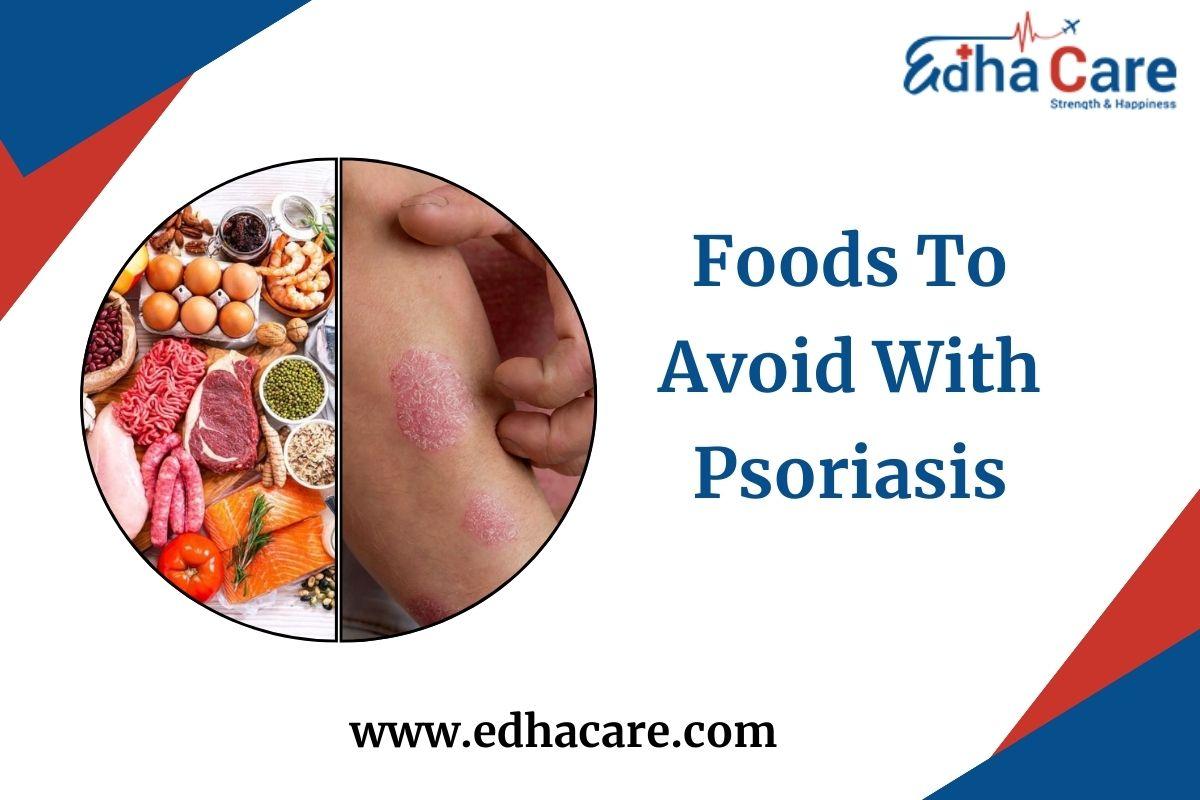
Understanding the Role of Diet in Psoriasis
Psoriasis is linked to inflammation in the body. Certain foods can trigger or increase this inflammation, making symptoms more severe. Although diet alone cannot cure psoriasis, avoiding trigger foods can help improve treatment results and quality of life. A healthy diet combined with dermatologist-recommended care often leads to better symptom control.
Knowing the 9 Foods To Avoid With Psoriasis can help patients make better dietary choices and reduce flare-ups.
1. Red Meat
Red meat contains saturated fats that can increase inflammation. Frequent consumption may worsen psoriasis symptoms in some individuals.
2. Processed Foods
Packaged and processed foods often contain preservatives, additives, and trans fats that may trigger inflammation and skin irritation.
3. Fried Foods
Fried foods are high in unhealthy fats and calories, which can increase inflammation and negatively impact skin health.
4. Sugary Foods and Drinks
Excess sugar can increase insulin levels and inflammation, making psoriasis symptoms worse over time.
5. Dairy Products
Some people with psoriasis find that dairy products like milk and cheese trigger flare-ups due to their fat content and inflammatory response.
6. Alcohol
Alcohol is one of the most common triggers. It can interfere with psoriasis medications and increase inflammation in the body.
7. Refined Carbohydrates
White bread, pastries, and refined grains can spike blood sugar levels and contribute to inflammation.
8. Gluten-Containing Foods
For individuals sensitive to gluten, foods like wheat and barley may worsen psoriasis symptoms.
9. Nightshade Vegetables
Vegetables like tomatoes, potatoes, and eggplants may trigger inflammation in some psoriasis patients, though reactions vary.
Foods To Avoid With Psoriasis and Their Impact
Understanding Foods To Avoid With Psoriasis allows patients to reduce common triggers that may worsen itching, redness, and scaling. Avoiding these foods does not guarantee complete symptom relief, but many patients report noticeable improvement when dietary changes are combined with medical treatment and lifestyle adjustments.
While avoiding trigger foods is important, focusing on a balanced diet is equally essential. Eating anti-inflammatory foods, staying hydrated, and maintaining a healthy weight can support overall skin and immune health. Always consult a healthcare professional before making major dietary changes.
Dietary changes alone are not enough to manage psoriasis effectively. Professional medical evaluation, proper diagnosis, and treatment planning are crucial. Dermatologists may recommend topical treatments, medications, or advanced therapies depending on the severity of the condition.
EdhaCare is a trusted medical tourism and healthcare assistance company that connects patients with experienced dermatologists and top hospitals in India. EdhaCare provides end-to-end support including medical consultation, treatment coordination, cost transparency, and personalized care guidance. Patients seeking expert advice on psoriasis management can rely on EdhaCare for safe, affordable, and high-quality healthcare solutions.
Managing psoriasis requires a combination of medical treatment and healthy lifestyle choices. Understanding the 9 Foods To Avoid With Psoriasis helps reduce inflammation and control flare-ups more effectively. Avoiding trigger foods, following a balanced diet, and seeking expert medical care can significantly improve quality of life. With professional support from EdhaCare, patients can receive comprehensive care and trusted guidance for long-term psoriasis management.

 Arabic
 Français
 Español
 Português
 Deutsch
 Türkçe
 Dutch
Dutch
 Italiano
 Russian
 Romaian