


Professional Logo Digitizing: Ensuring Accurate and High-Quality Embroidery
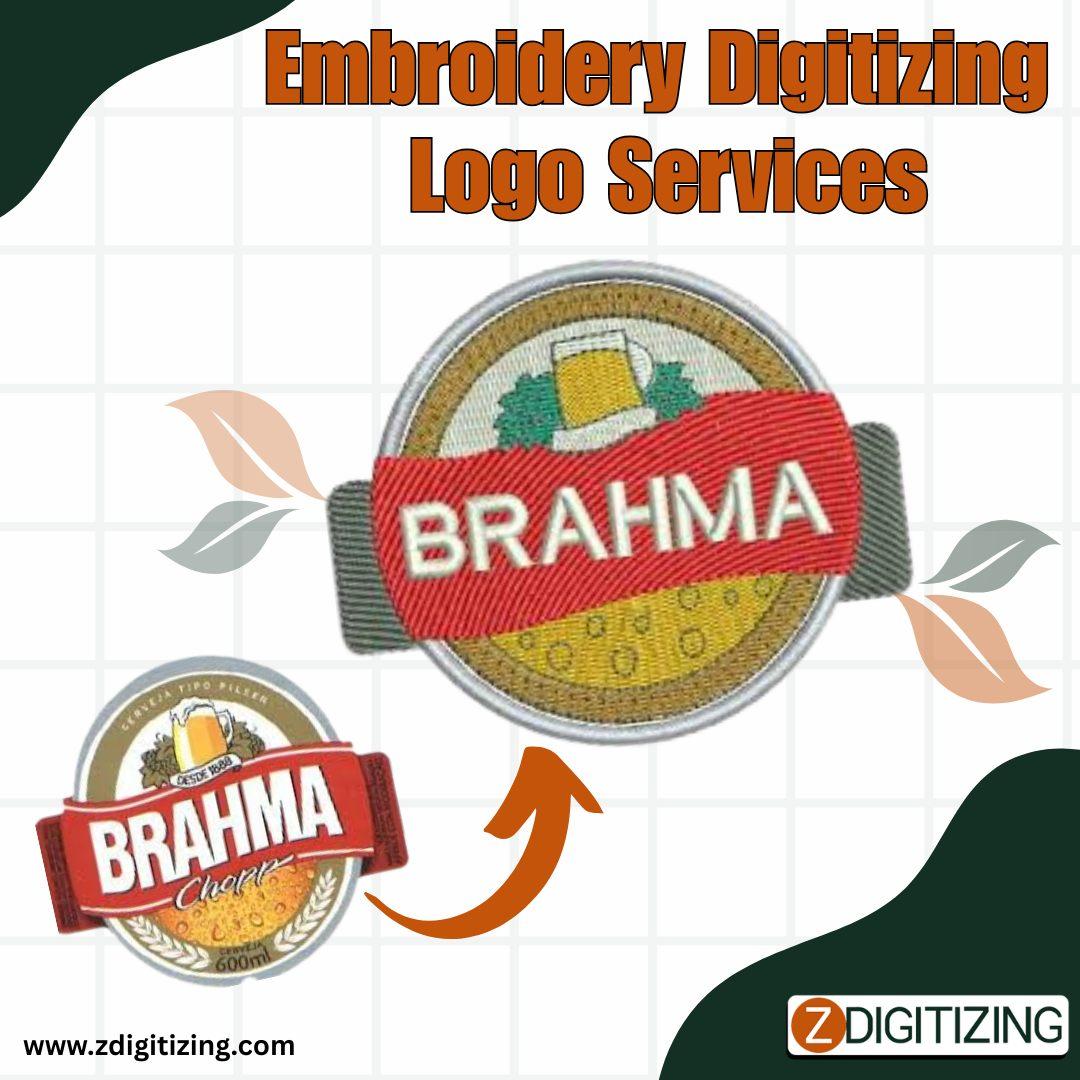
In today’s competitive business environment, branding is essential. A logo represents a company’s identity, values, and professionalism. For embroidery, simply printing a logo is not sufficient. To achieve precise, high-quality results, businesses rely on professional logo digitizing services.
Logo digitizing is the process of converting a standard graphic design into a digital file compatible with embroidery machines. Since these machines cannot read standard image formats like JPEGs or PNGs, a proper digitized file is necessary to maintain clarity, detail, and proportions during stitching.
Why Professional Logo Digitizing Is Important
Professional digitizing ensures embroidered designs are accurate and visually appealing. Key advantages include:
- Precision: Every stitch is carefully planned to preserve the logo’s design. Without proper digitizing, logos may appear distorted or uneven.
- Consistency: A professional digitized file ensures uniformity across all products, including apparel, caps, and promotional items.
- Material Adaptation: Different fabrics require specific stitch types and densities. Professionals adjust designs to prevent puckering, thread breakage, or fabric distortion.
- Scalability: Digitized logos can be resized without losing detail, making them suitable for small or large embroidery projects.
The Digitizing Process
Understanding the digitizing workflow highlights the skill involved in creating high-quality embroidery:
- Logo Analysis: Professionals examine the logo’s colors, shapes, and complexity to determine which elements can be effectively embroidered.
- Stitch Selection: Depending on the design, digitizers use:
- Satin Stitch for smooth edges and text
- Fill Stitch for larger areas or complex patterns
- Running Stitch for outlines or fine details
Advantages of Hiring Professionals
Choosing an experienced digitizing service offers benefits beyond what automated software or DIY methods can provide:
- High-Quality Output: Skilled digitizers account for stitch types, densities, and fabric behavior to create clean and precise embroidery.
- Fewer Errors: Properly digitized files reduce material waste caused by misaligned or poorly stitched designs.
- Efficiency: Professionals can deliver accurate files faster, reducing production delays.
- Custom Solutions: Each logo is digitized according to its unique design, allowing even intricate logos to be embroidered accurately.
- Long-Term Value: Investing in professional digitizing minimizes the need for repeated corrections and revisions.
Choosing the Right Digitizing Service
When selecting a professional service, consider these factors:
- Experience and Portfolio: Review past projects to assess the provider’s capability with different types of logos and embroidery styles.
- Software and Machine Compatibility: Ensure the service uses standard digitizing software that works with various embroidery machines.
- Communication: Clear instructions and feedback ensure the digitized file meets expectations.
- Turnaround Time: Confirm the service can meet deadlines without compromising quality.
- Support: Reliable assistance is important for resolving any post-digitization issues.
FAQs
1. Can any logo be digitized for embroidery?
Most logos can be digitized, but highly complex designs may require simplification to maintain clarity when stitched. Professional digitizers can adjust the design while keeping its essential elements.
2. How long does the logo digitizing process take?
The time varies depending on the logo’s complexity. Simple logos may take a few hours, while intricate designs can require a full day or more for analysis, stitching, and adjustments.
3. Why can’t I just use a regular image file for embroidery?
Embroidery machines do not read standard image files. Digitizing converts the image into machine-readable instructions, specifying stitch types, density, and pathing. Without it, the embroidery would be inaccurate or distorted.
4. Does the type of fabric affect digitizing?
Yes. Fabric thickness, stretch, and texture influence stitch density and type. Professional digitizers account for these factors to prevent puckering, gaps, or thread breakage.
Conclusion
Professional logo digitizing is a critical step for businesses and individuals seeking quality embroidery. It combines technical expertise, design knowledge, and machine compatibility to ensure every logo is reproduced accurately. By relying on skilled digitizers, companies maintain brand integrity, reduce production errors, and achieve consistent results across different materials and products.
Investing in professional digitizing ensures that your logos are represented clearly and professionally on every embroidered item. In an industry where precision and detail matter, professional digitizing transforms a basic logo into a polished and reliable brand asset.

 Arabic
 Français
 Español
 Português
 Deutsch
 Türkçe
 Dutch
Dutch
 Italiano
 Russian
 Romaian