


PCBA Design for Manufacturing (DFM): The Ultimate Checklist to Reduce Assembly Costs
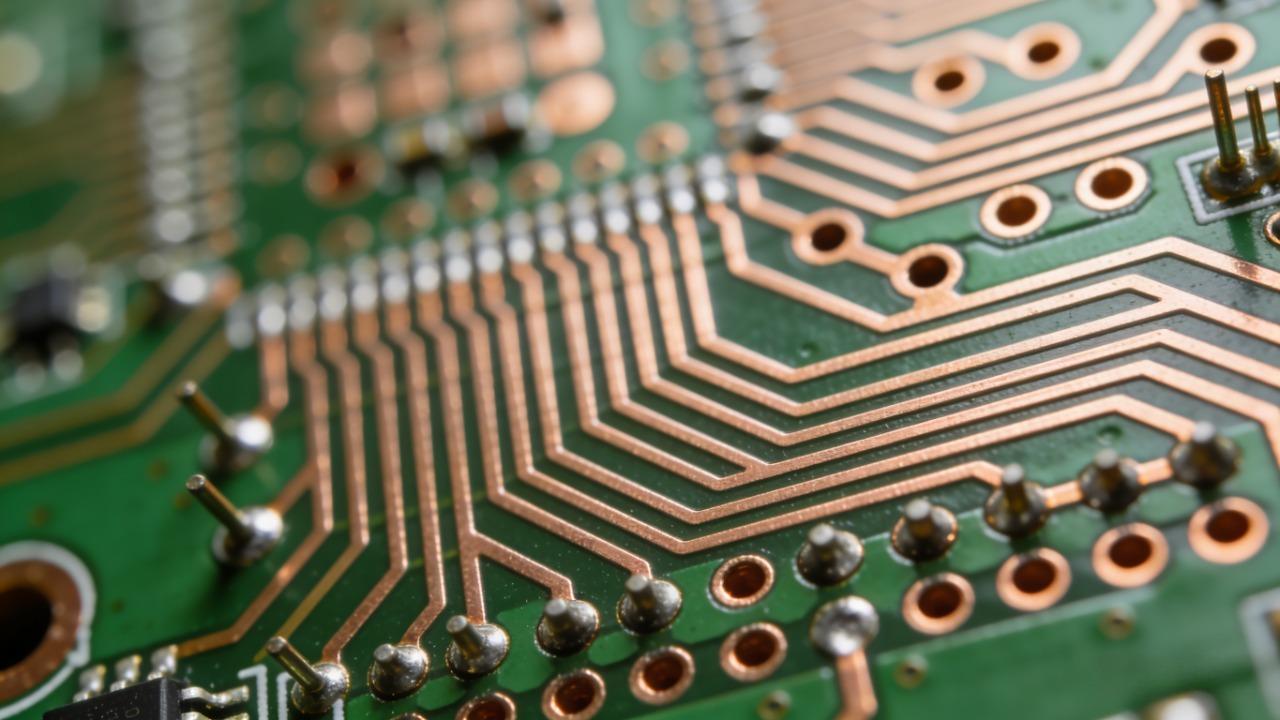
If you’ve ever released a board to production and wondered why PCB assembly costs climbed faster than expected, you’re not alone. In real-world projects, PCBA Design decisions made long before manufacturing—component spacing, footprint choices, and layout density—often decide whether a product scales smoothly or becomes a financial liability.
Getting your PCBA Design right isn't just about making the circuit function; it’s about making it buildable at scale. Most cost overruns don’t come from dramatic failures, but from dozens of small layout choices that look fine in CAD software but turn expensive once SMT lines, X-ray inspection, and rework enter the picture. This guide provides a production-tested checklist to ensure your design is optimized for efficiency, yield, and profit.
Quick Summary: How PCBA Design Dictates Your Bottom Line
Before diving into the technical specifics, here is how a DFM-optimized PCBA Design secures your project's success:
-
Cost Reduction: Consolidating your BOM (Bill of Materials) and optimizing board utilization can slash assembly fees by up to 25%.
-
Yield Maximization: Standardizing pad sizes eliminates common defects like Tombstoning and Solder Bridging.
-
Risk Mitigation: A "First-Time Right" approach prevents expensive PCB Re-spins and shortens your Time-to-Market.
-
Reliability: Proper Thermal Management and trace routing ensure long-term performance and high pass rates in Functional Testing (FCT).
1. What Is PCBA Design for Manufacturing (DFM)?
While PCB Design focuses on electrical functionality and signal integrity, PCBA Design for Manufacturing focuses on how those components are physically placed, soldered, and inspected on an automated line.
DFM ensures that your design choices align with real-world SMT (Surface Mount Technology) and THT (Through-Hole Technology) processes. By following established industry practices—often aligned with IPC standards—a DFM-driven design reduces manufacturing complexity and minimizes the "human touch" required, which is where the highest costs and most errors occur.
2. Strategic Component Selection and BOM Optimization
A cost-efficient PCBA Design starts with the BOM before a single trace is routed.
-
Consolidate Unique Parts: Do you really need five different 10k resistors? Reducing unique part numbers minimizes feeder setups on the SMT line, directly lowering labor costs.
-
Prefer Standard Packages: Use common SMT packages (0603, 0805, SOIC) where possible. Avoid obsolete or "single-source" components that create procurement bottlenecks.
-
Surface Finish Selection: While ENIG is superior for fine-pitch BGA, switching to HASL or OSP for simpler boards can save thousands in high-volume runs.
3. PCBA Design Layout Practices to Improve Assembly Yield
One of the most frequent questions engineers search for is: "How does layout affect assembly yield?" The answer lies in the physics of the soldering oven.
Orientation and Spacing
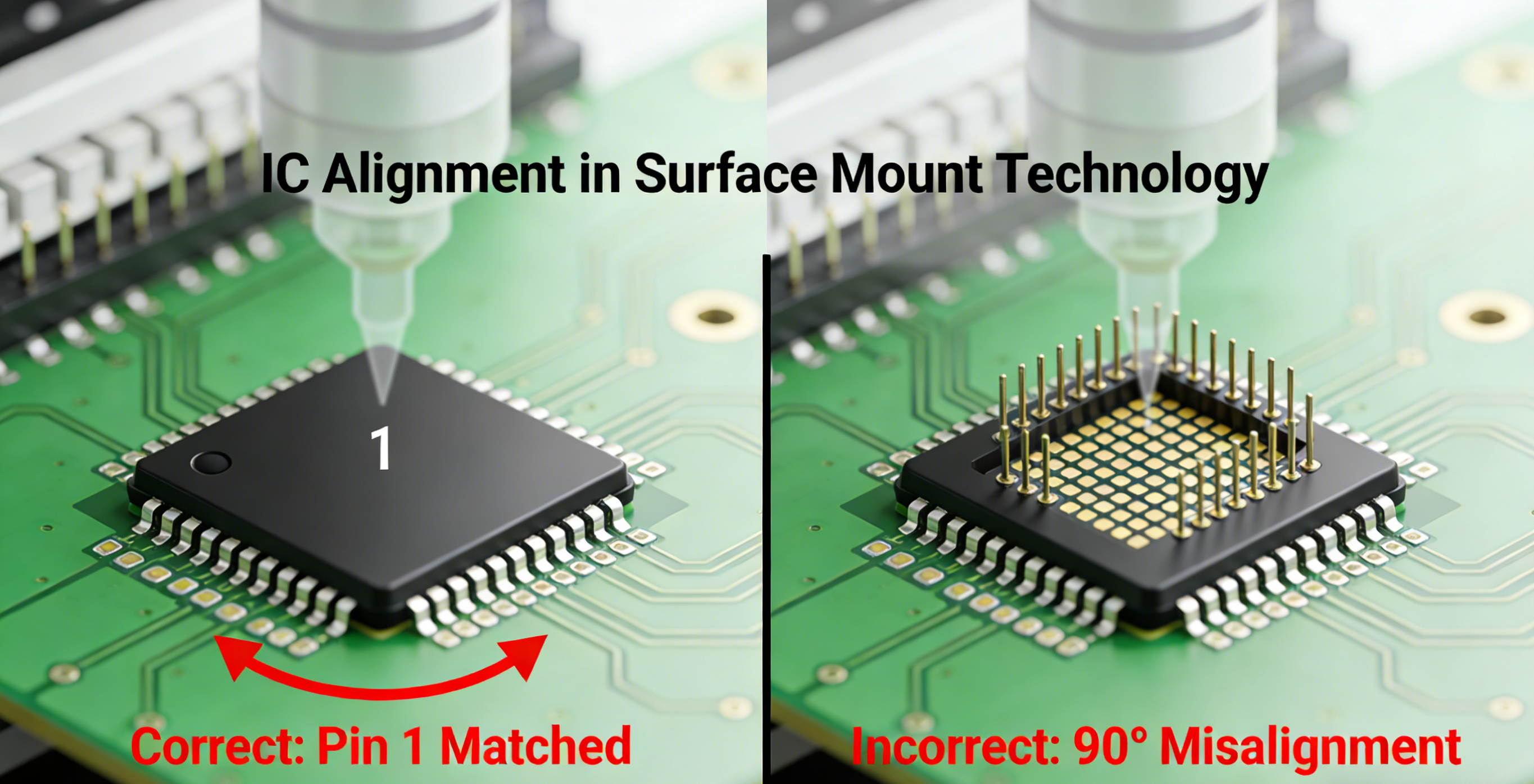
Machines love consistency. If your components are scattered at random angles, the Pick-and-Place head must rotate constantly, slowing down cycle times.
-
Uniformity: Orient similar components in the same direction (0° or 90°).
-
Clearance: Maintain adequate spacing to prevent Solder Bridging and allow for AOI (Automated Optical Inspection) camera access.
The "Shadowing" Effect
In wave soldering, larger components can "shadow" smaller ones, leading to "dry" or insufficient solder joints. Smart PCBA Design places smaller components leading the way into the wave, not trailing behind massive inductors or connectors.
4. Technical Checklist for a Production-Ready PCBA Design
Use this structured checklist to audit your Gerber Files and design rules before releasing to the factory.
| Feature Category | DFM Requirement | Why It Matters |
| Fiducial Marks | 3 global marks on board corners (1.0mm dia). | Enables SMT machine XY calibration. |
| Panelization | Optimize for V-Score or Mouse-bites. | Maximizes material utilization; reduces waste. |
| Via Strategy | Avoid "Via-in-Pad" unless capped/filled. | Prevents solder "wicking" away from the lead. |
| Thermal Relief | Use "cross" patterns on pads in copper planes. | Prevents Cold Solder Joints and tombstoning. |
| Testability | Accessible test points for ICT/FCT. | Allows for rapid QA and debugging. |
5. Common PCBA Design Mistakes That Quietly Increase Costs
Manufacturing doesn’t "fix" design problems—it charges you for them. Avoid these common pitfalls:
-
Ignoring Annular Ring Requirements: Too small a ring leads to "breakouts" during drilling, plummeting your yield.
-
Missing Solder Mask Dams: Lack of mask between fine-pitch pads causes shorts that require expensive manual rework.
-
Poor Silkscreen Clarity: Overlapping silkscreen on pads interferes with solderability and causes assembly confusion.
6. Turning Optimized Design into Reality with SanShun Smart
This is where design excellence meets intelligent execution. At SanShun Smart, PCBA Design for Manufacturing is integrated into every stage of the process—from the initial design review to final assembly.
With over 20 years of expertise in intelligent manufacturing, SanShun Smart supports high-growth industries including smart home modules, intelligent lighting systems, and customized industrial electronics. By combining ISO-certified processes with advanced automated SMT lines, SanShun Smart provides:
-
Early-Stage DFM Reviews: Identifying cost-drivers before the first board is printed.
-
Precision Inspection: Utilizing X-ray and AOI to ensure zero-defect delivery.
-
Scalability: Helping clients transition from prototypes to high-volume production without repeated redesign cycles.
A professional DFM review with a partner like SanShun Smart often saves more in production than any late-stage component price negotiation.
Ready to Optimize Your Project?
Don't let a minor layout oversight become a major financial headache. Connect with the experts at SanShun Smart today for a professional DFM review and ensure your next PCBA Design is built for success.
7. Frequently Asked Questions (FAQ)
Q: How does PCBA Design directly affect the final assembly price?
A: PCBA Design dictates the "buildability." Designs that require manual soldering, special jigs, or have high defect rates (due to poor spacing) incur significantly higher labor and rework costs.
Q: What is the difference between PCB DFM and PCBA DFM?
A: PCB DFM focuses on the fabrication of the bare board (drilling, plating, etching). PCBA Design for Manufacturing focuses on the assembly process—how components are placed and soldered onto the board.
Q: Can complex, high-density designs still be DFM-compliant?
A: Absolutely. By using advanced via strategies (like microvias) and precise BGA fan-out patterns, even the most complex PCBA Design can be optimized for high-yield automated assembly.
Q: When should I involve SanShun Smart in my design process?
A: Ideally, during the layout phase. The earlier our engineers can review your PCBA Design, the more opportunities we have to suggest BOM alternatives or layout tweaks that reduce costs.

 Arabic
 Français
 Español
 Português
 Deutsch
 Türkçe
 Dutch
Dutch
 Italiano
 Russian
 Romaian