


Blue Hour Photography Tutorial: Perfect Romantic Atmosphere for Portraits
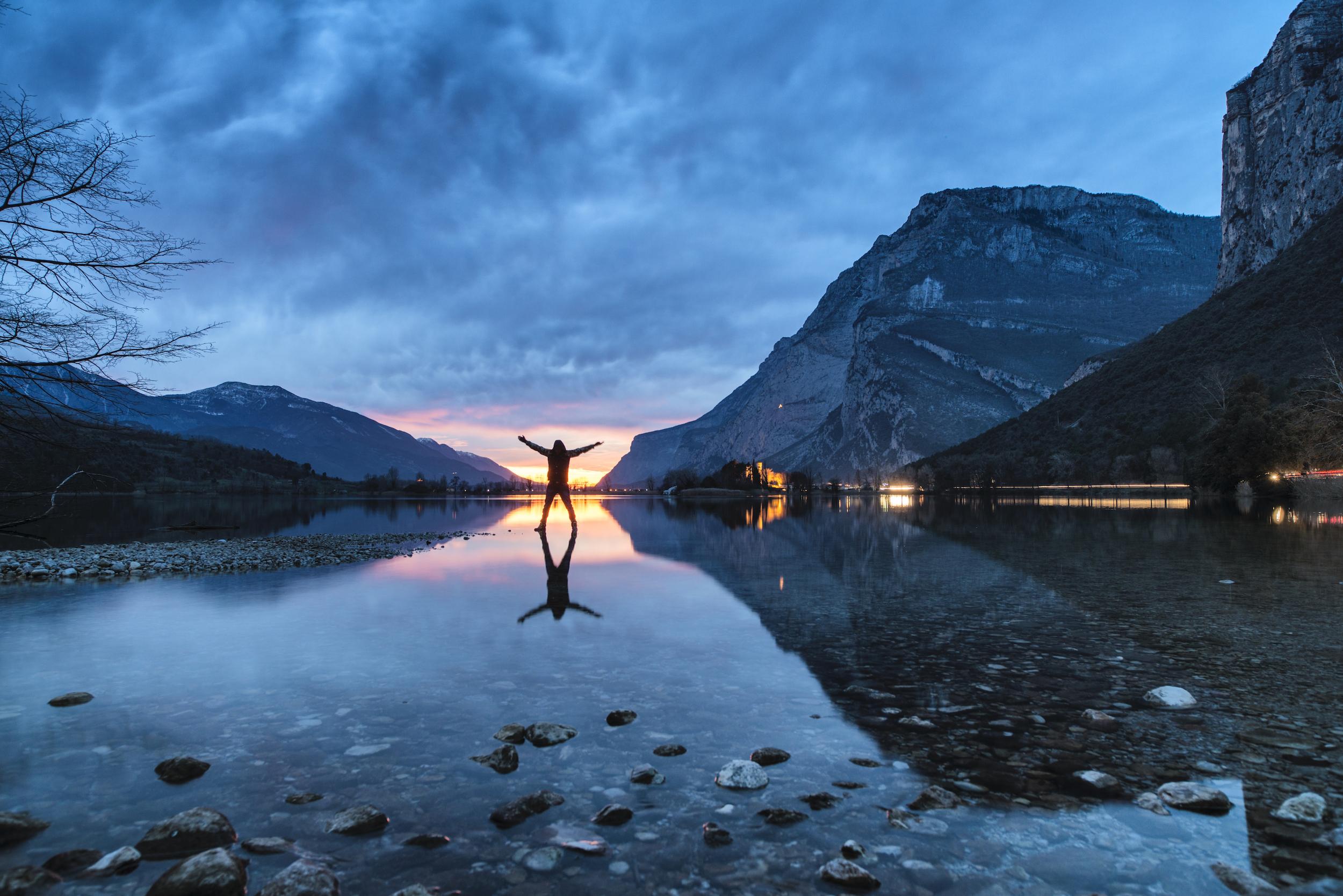
Blue Hour Photography Tutorial: Perfect Romantic Atmosphere for Portraits
The transition between day and night offers a window of time that is prized by professional photographers for its ethereal, deep-blue tones and soft, diffused light. Unlike the high-contrast drama of midday or the fiery warmth of the golden hour, the blue hour provides a serene and moody backdrop that is particularly effective for romantic portraiture. This specific period occurs shortly after sunset or just before sunrise, when the sun is far enough below the horizon for the sky to take on a rich indigo hue while still providing enough ambient light to illuminate a subject. Mastering this technique requires a delicate balance of gear choice, timing, and an understanding of artificial light integration. This guide provides a short summary of the whole article, detailing how to utilize high-quality optics and precise camera settings to turn a darkening sky into a masterpiece of romantic atmosphere.
Understanding the Blue Hour Phenomenon
The blue hour is not literally sixty minutes long; its duration varies significantly depending on your geographical latitude and the time of year. In regions like Pakistan, this window can feel incredibly brief, often lasting only twenty to forty minutes. During this time, the red light passes through space while the blue light is scattered in the atmosphere, resulting in a cooling effect that feels calm and sophisticated.
For portrait photographers, this "cool" light creates a natural color contrast with skin tones. When you introduce a warm artificial light source—such as a streetlamp, a candle, or a portable LED—the juxtaposition of the warm subject against the cool background creates a visual depth that is difficult to replicate at any other time of day.
Essential Gear for Low-Light Portraits
Success during the blue hour is heavily dependent on your equipment’s ability to "see" in the dark. As the natural light fades, your camera sensor has to work harder to capture detail, making your choice of glass paramount.
The Necessity of Fast Prime Lenses
A "fast" lens—one with a wide maximum aperture like f/1.4 or f/1.8—is the gold standard for blue hour work. These lenses allow more light to reach the sensor, enabling you to keep your ISO levels lower and your images cleaner. Beyond just exposure, a wide aperture produces a creamy bokeh effect, turning distant city lights into soft, glowing orbs that enhance the romantic mood. When researching the camera lenses price in pakistan, it is wise to prioritize prime lenses that offer exceptional sharpness even when shooting wide open, as this is where the magic of low-light portraiture happens.
Stability and Support
While handheld shooting is possible with modern image stabilization, a sturdy tripod remains a vital tool for blue hour photography. If you are aiming for a "cinematic" look where the background is perfectly sharp but the light is dim, a tripod allows you to use slightly longer shutter speeds without the risk of camera shake. This is particularly useful when you want to capture the motion of clouds or water in the background of your romantic portrait.
Technical Settings for the Indigo Sky
Shooting in fading light is a race against time. To ensure you don't miss the peak of the blue hue, your camera settings should be dialled in before the sun fully disappears.
Manual Mode and White Balance
Auto-white balance often tries to "correct" the blue hour by adding warmth, which can ruin the very atmosphere you are trying to capture. Instead, set your white balance to "Tungsten" or "Incandescent" to lean into the blues, or "Daylight" to keep the colors true to what your eye sees.
Managing ISO and Noise
While modern cameras are impressive at high ISOs, the deep blues of the evening sky are notorious for showing digital noise (grain) in the shadows. Try to stay within a range of ISO 400 to 1600. If your lens is capable of opening up to f/1.4, you will find you rarely need to push your ISO to extreme limits. The optical engineering provided by sigma has consistently focused on minimizing aberrations in these wide-aperture scenarios, ensuring that the transition from the subject to the dark background remains smooth and professional.
Creating the Romantic Atmosphere
The "romance" in blue hour photography comes from the interplay between light and shadow. Here is how to compose and light your subjects for maximum emotional impact.
Integrating Ambient Light
Look for existing light sources in your environment. A shop window, a decorative fairy light, or even the glow from a smartphone can act as a "key light" for your subject’s face. Position your couple so that this warm light hits them from the side, creating a "rim light" effect that separates them from the dark sky.
Skin Tone Preservation
The biggest challenge in blue hour portraits is preventing the subjects from looking too blue or "cold." Using a small, portable softbox with a warm gel can mimic the glow of a sunset, keeping the skin tones healthy and vibrant while the rest of the world turns indigo. This creates a "color pop" that immediately draws the viewer's eye to the couple.
Local Expertise: Hope Enterprises and Sigma Pakistan
For photographers in Lahore and across Pakistan, capturing the blue hour often involves navigating vibrant urban landscapes or the serene outskirts of the city. To achieve professional results, having access to genuine, high-performance equipment is essential.
Hope Enterprises, located in Lahore, stands as the official distributor and a cornerstone of the local photography community. As the authorized provider for Sigma Pakistan, they offer more than just gear; they provide the technical support and peace of mind that comes with official warranties. Whether you are a wedding photographer looking to add a "blue hour session" to your portfolio or a hobbyist capturing the beauty of the Badshahi Mosque at dusk, sourcing your equipment from a trusted local expert ensures your tools are as reliable as your vision.
Compositional Tips for Dreamy Portraits
-
The Silhouette: When the sky is at its most vibrant blue, try underexposing the subject completely to create a sharp, dark silhouette. This emphasizes the shape of the couple and the beauty of the horizon.
-
Leading Lines: Use the cooling shadows of streets or pathways to lead the eye toward your subjects.
-
Reflections: If it has recently rained, or if you are near a body of water, the blue sky will reflect on the ground, doubling the color intensity in your frame.
Post-Processing the Blue Hour
The goal of editing a blue hour photo is to enhance the existing mood rather than creating a new one. In software like Lightroom or Capture One, focus on the "HSL" (Hue, Saturation, Luminance) panel. Deepening the luminance of the blue channel can make the sky feel more "expensive" and velvety. Be careful not to over-saturate, as the natural blue of this hour is already quite potent.
Final Thoughts
The blue hour is a fleeting gift to photographers. It demands preparation, quick thinking, and the right optical tools to handle challenging light. By combining the natural beauty of the Pakistani twilight with the precision of modern lenses and the support of local experts like Hope Enterprises, you can create portraits that feel timeless, intimate, and deeply romantic.

 Arabic
 Français
 Español
 Português
 Deutsch
 Türkçe
 Dutch
Dutch
 Italiano
 Russian
 Romaian