


How Local Zoning Laws in Virginia Impact Commercial Construction Timelines
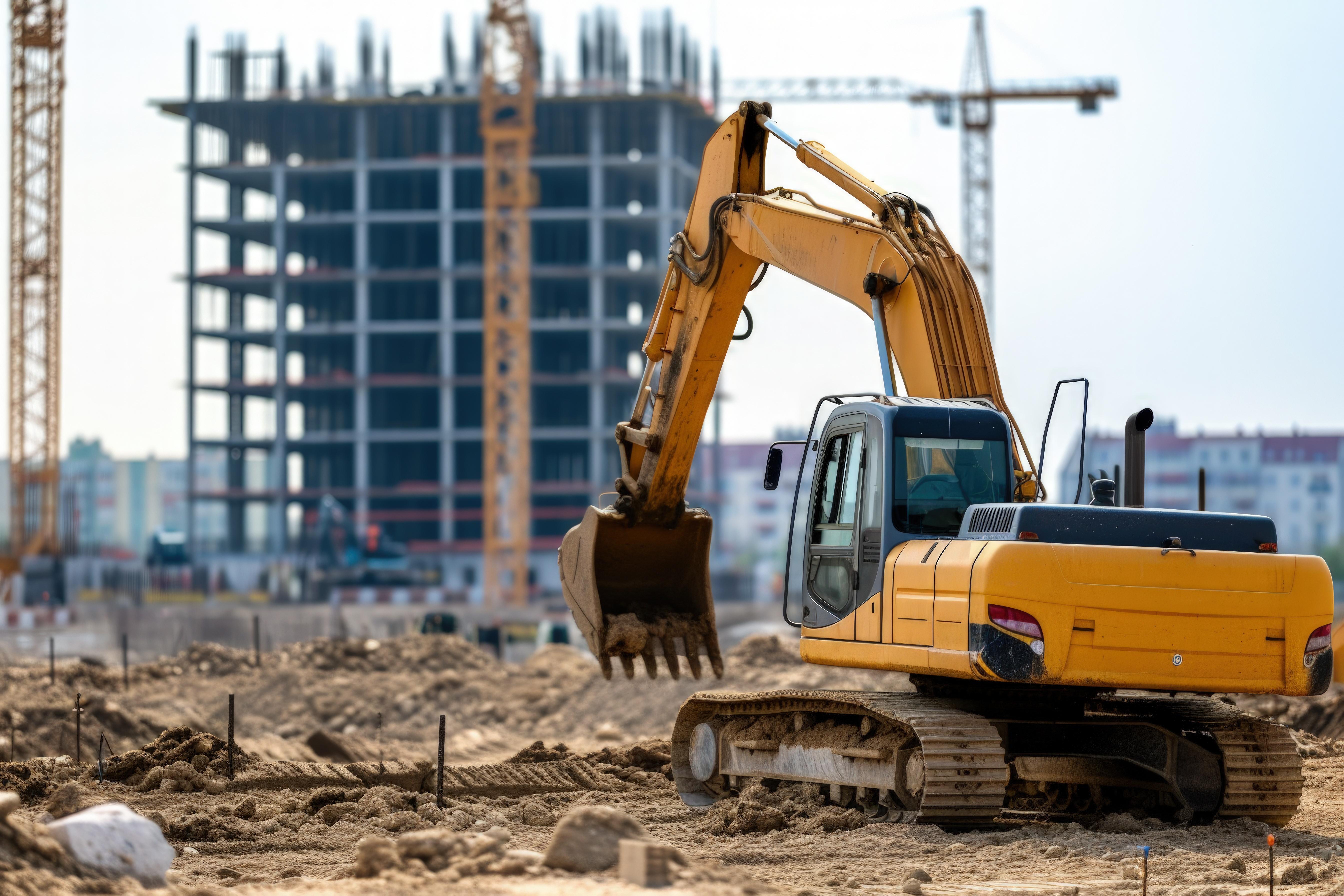
How Local Zoning Laws in Virginia Impact Commercial Construction Timelines
Commercial construction in Virginia often moves slower than planned. The main reason is zoning. Local zoning laws control how land can be used, what can be built, and how large a project can be. These rules vary by county and city. A project that moves fast in one area may stall in another.
Zoning rules shape timelines from day one. If they are not handled early, delays stack up fast. Understanding how zoning works helps owners plan better and avoid costly stops.
What Zoning Laws Control in Virginia
Zoning laws set limits on land use. Each local authority writes and enforces its own code. These rules decide:
-
Allowed use, such as office, retail, or mixed use
-
Building height and size
-
Parking needs
-
Setbacks from roads and property lines
-
Noise and traffic limits
Even small rule gaps can stop a project. A plan that misses one limit may need a full redesign.
Zoning Review Happens Before Permits
Zoning review comes before most permits. Plans must meet zoning rules before permit staff review them. If zoning fails, permit review does not start.
This step alone can add weeks or months. Some counties require zoning sign-off from multiple boards. Public hearings may also be needed.
A missed zoning detail at this stage delays the entire project.
Rezoning Requests Cause Major Delays
Many commercial projects need rezoning. This happens when land use does not match the planned project.
Rezoning takes time. It often includes:
-
Site studies
-
Traffic reports
-
Staff review
-
Public notice
-
Planning board meetings
-
Final vote
This process can take several months. In some cases, it takes over a year. Timelines stretch even more if neighbors object.
Special Use Permits Add Another Layer
Some uses are allowed only with special approval. These are known as special use permits or conditional permits.
Common cases include:
-
Gas stations
-
Warehouses
-
Medical centers
-
Drive-through uses
Each request needs extra review. Conditions may be added. These conditions affect design, access, and hours of use. Each change adds time.
County Rules Differ Across Virginia
Virginia does not follow one zoning playbook. Fairfax, Loudoun, Arlington, and Richmond all work differently.
One county may allow staff approvals. Another may require board review. Some counties accept digital plans. Others require paper sets.
This lack of uniform rules slows projects, especially for out-of-area builders.
Public Hearings Extend Timelines
Zoning often involves public input. Neighbors can speak for or against a project. Concerns may include traffic, noise, or building size.
Even strong projects face delays during hearings. Officials may request changes to reduce impact. Each revision restarts review cycles.
Public hearings also follow fixed schedules. Missing a meeting can delay approval by weeks.
Zoning Conditions Affect Construction Plans
Zoning approvals often include conditions. These may require:
-
Extra landscaping
-
Road improvements
-
Traffic controls
-
Limited access points
These conditions impact cost and schedule. They may also require new permits from other agencies.
Ignoring these conditions leads to stop-work orders later.
How Early Zoning Checks Save Time
Projects that check zoning early move faster. A zoning check before design avoids wasted work. It confirms if the land fits the plan.
Early checks also flag needed approvals. This allows teams to plan hearings and studies in advance.
Skipping this step almost always causes rework.
The Role of a Permit Expediter in Virginia
A skilled Permit Expediter in Virginia understands local zoning rules. They know how each county works. They track steps, dates, and review paths.
Their role includes:
-
Reviewing zoning rules before filing
-
Flagging rezoning needs early
-
Preparing correct filings
-
Coordinating with zoning staff
-
Tracking hearings and reviews
This guidance cuts down guesswork and delays.
How Permit Expediting Services Reduce Zoning Delays
Strong Permit Expediting Services help projects stay on schedule. They manage zoning and permits as one process, not separate tasks.
These services:
-
Align zoning approvals with permit review
-
Avoid missed filings
-
Reduce resubmissions
-
Speed agency responses
This approach keeps projects moving while others stall.
Common Zoning Mistakes That Slow Projects
Many delays come from basic errors:
-
Wrong land use assumption
-
Missing special permits
-
Ignoring setback rules
-
Underestimating parking needs
-
Late public notice filings
Each mistake adds weeks. Some add months.
Planning Around Zoning Realities
Smart planning accepts zoning limits early. Teams adjust designs to fit rules instead of fighting them. This reduces conflict and review cycles.
Clear zoning plans also help contractors price work accurately. This prevents change orders and disputes later.
Final Thoughts
Local zoning laws shape commercial construction timelines in Virginia. They control use, size, and approvals. Each county enforces rules in its own way. This creates risk for projects that do not plan ahead.
Early zoning checks, clear filings, and strong coordination help avoid delays. Projects that respect zoning move faster and face fewer surprises.
Zoning cannot be skipped. It can only be managed well or poorly. The difference shows in the schedule.

 English
 Arabic
 Français
 Português
 Deutsch
 Türkçe
 Dutch
Dutch
 Italiano
 Russian
 Romaian