


Balancing Flexibility and Performance: HR Insights on Instagram’s RTO Move
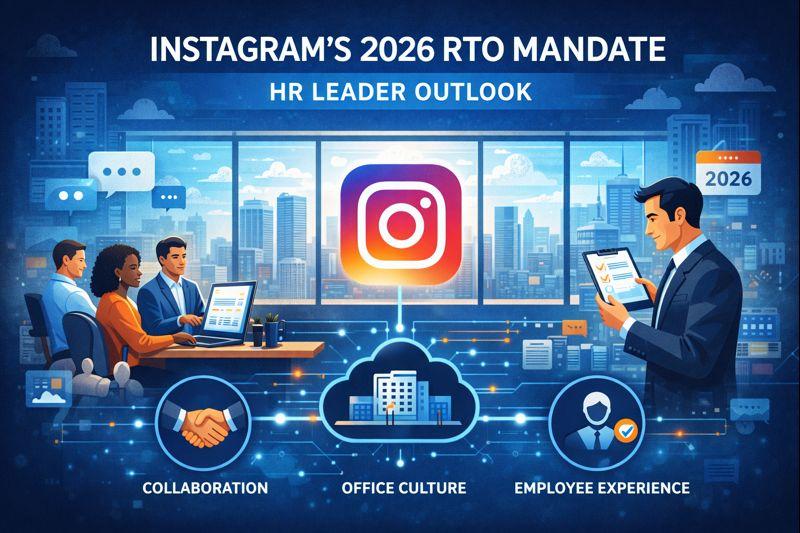
As organizations continue to redefine workplace models, Instagram’s reported 2026 return-to-office (RTO) mandate has reignited conversations around flexibility, productivity, and organizational culture. After years of hybrid and remote experimentation, this move signals a strategic shift that many enterprises are closely watching. For HR leaders, Instagram’s decision offers valuable insight into how workforce strategies may evolve in the coming years.
Understanding Instagram’s RTO Mandate
Instagram’s RTO mandate reflects a broader trend among large technology companies seeking to reestablish in-person collaboration. While remote work delivered flexibility and access to global talent, leaders now emphasize the benefits of face-to-face interaction, innovation, and alignment with company culture.
The 2026 timeline suggests a measured approach giving employees time to adapt while allowing leadership to refine policies, infrastructure, and support systems ahead of full implementation.
Why RTO Is Back on the Strategic Agenda
Several factors are influencing the renewed focus on office-based work:
- Collaboration and Innovation: In-person environments can accelerate ideation, decision-making, and cross-functional collaboration.
- Culture and Engagement: Physical workplaces often strengthen organizational identity, mentorship, and employee connection.
- Performance Visibility: Leaders seek clearer alignment between teams, goals, and outcomes.
For HR leaders, these drivers highlight the need to balance operational efficiency with employee expectations.
HR Challenges in Implementing RTO
While RTO policies offer benefits, they also present challenges that HR teams must proactively address:
- Employee Resistance: Some employees may view RTO as a loss of flexibility, impacting morale and retention.
- Talent Risk: Organizations competing for top talent must consider how rigid policies affect employer branding.
- Equity and Inclusion: HR leaders must ensure RTO requirements do not disproportionately affect certain employee groups.
Instagram’s phased approach suggests that thoughtful change management will be critical to success.
What HR Leaders Can Learn from Instagram
Instagram’s RTO mandate serves as a case study in long-term workforce planning. Key takeaways for HR leaders include:
- Communication Is Critical: Transparent messaging around the “why” behind RTO builds trust.
- Flexibility Still Matters: Even with RTO, hybrid options and flexible schedules can support diverse workforce needs.
- Experience-Centric Offices: Offices must evolve into collaboration hubs, not just workstations.
- Data-Driven Decisions: HR analytics can help assess productivity, engagement, and retention impacts post-RTO.
The Future of Work Beyond 2026
Instagram’s decision does not signal the end of flexible work but rather its evolution. The future likely lies in intentional presence, where in-office time is designed for collaboration, learning, and culture-building, while focused work remains flexible.
HR leaders who adapt policies to align business goals with employee well-being will be best positioned to navigate this shift.
HR tech is evolving fast. Are you keeping up? Read more at HR Technology Insights
To participate in our interviews, please write to our HRTech Media Room at info@intentamplify.com

 English
 Arabic
 Français
 Español
 Português
 Deutsch
 Türkçe
 Italiano
 Russian
 Romaian