


How Design Systems Strengthen Brand Recognition
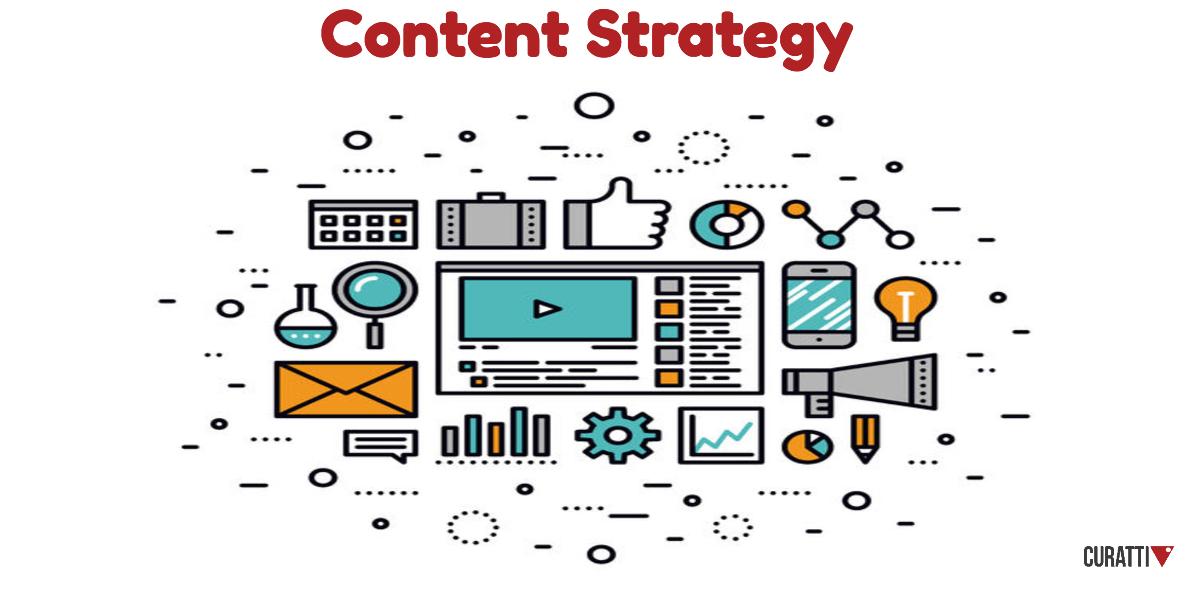
In today’s visually-driven marketplace, consistency is more than just a luxury—it’s a necessity. As consumers interact with brands across multiple platforms, ensuring a cohesive identity becomes imperative for lasting recognition. Enter the design system: a structured framework that brings harmony to the visual and functional aspects of a brand across digital and physical experiences.
A design system isn't just a toolkit for designers and developers—it's a strategic asset. From logos and typography to voice tone and interactive behavior, a well-implemented design system ensures that every user touchpoint delivers a consistent brand message. This alignment not only enhances user experience but also strengthens brand recognition over time.
Whether you're building a startup from scratch or refining a mature brand, investing in a design system can elevate your business's presence. Pairing this with robust content strategy services ensures that your brand's story, tone, and visuals align seamlessly, creating a memorable identity that resonates with audiences.
Key Points
- Design systems provide consistency across all brand touchpoints.
- They streamline collaboration between design, development, and marketing teams.
- Consistent visual language builds trust and long-term brand recognition.
- Design systems evolve with the brand, supporting scalability.
- Integration with content strategy enhances brand messaging and user engagement.
What Is a Design System?
A design system is a comprehensive collection of reusable components, guidelines, and standards that help maintain visual and functional consistency across all aspects of a brand. It encompasses:
- Style guides: Colors, typography, iconography, and imagery.
- Component libraries: Buttons, input fields, cards, and other UI elements.
- Design principles: Philosophy behind the visual language.
- UX patterns: Navigation flows, interactions, and behaviors.
These elements work together to provide structure and coherence in both product development and brand presentation, making it easier for teams to build consistent and intuitive experiences.
Why Brand Recognition Matters
Brand recognition refers to how easily a consumer can identify a brand based on visual or auditory cues such as logo, colors, or even a slogan. It’s a critical factor in:
- Customer trust: Familiarity breeds confidence.
- Competitive advantage: Recognizable brands stand out in crowded markets.
- Customer loyalty: Consistency encourages repeat engagement.
- Marketing efficiency: Easier to reinforce messages when visual language is already understood.
Without brand recognition, even the most innovative products can get lost in the noise. Design systems play a pivotal role in reinforcing this recognition at every consumer touchpoint.
How Design Systems Reinforce Brand Identity
1. Visual Consistency Across Channels
Consistency is key to recognition. A design system ensures that your brand colors, typography, and logo usage remain consistent whether a user is browsing your website, using your app, or viewing a marketing email. This visual familiarity reinforces brand identity with every interaction.
2. Standardized UI Components
Reusable UI components minimize design discrepancies and ensure that users have a uniform experience across platforms. This uniformity reduces cognitive load and helps users associate certain design patterns with your brand over time.
3. Unified Voice and Tone
A mature design system often includes guidelines for written content—tone, vocabulary, and messaging principles. When paired with expert content strategy services, brands can ensure their voice remains consistent whether in a web interface, blog post, or social media caption.
4. Scalability and Evolution
Brands evolve, and so should their design systems. A well-maintained system allows for changes in branding without losing consistency. This scalability ensures relevance without sacrificing recognition.
The Role of Design Systems in Cross-Functional Collaboration
Design systems streamline workflows by aligning design, development, and marketing teams around a shared visual language and principles. This alignment:
- Reduces duplication of work
- Accelerates product development
- Improves communication between departments
- Ensures consistent customer-facing output
Ultimately, this cross-functional cohesion contributes to clearer, more consistent branding efforts and enhances your ability to scale without compromising quality.
Case Studies: Brands That Benefit from Design Systems
1. Airbnb
Airbnb’s design system, “Design Language System (DLS),” helped unify the look and feel of its website, app, and internal tools. By streamlining its design process, Airbnb ensured that every customer interaction reflected the same core values—simplicity, trust, and belonging—leading to stronger brand recall.
2. Google Material Design
Google introduced Material Design to create a unified experience across all its products. This system not only improved usability and accessibility but also made Google products instantly recognizable through consistent layouts, animations, and interactions.
3. IBM Carbon
IBM’s Carbon Design System aligns hundreds of products and services under one cohesive brand umbrella. It demonstrates how a design system can support enterprise-level scalability while maintaining brand integrity and user experience standards.
How to Build an Effective Design System
1. Start with Your Brand Principles
Define your brand's mission, values, and visual identity. These foundational elements will inform every part of your design system, ensuring it aligns with your brand’s essence.
2. Audit Existing Assets
Review your current digital and physical touchpoints. Identify inconsistencies in typography, color usage, logo placement, and messaging. This helps in understanding what to standardize and improve.
3. Create a Modular Component Library
Build a library of scalable, reusable components—buttons, forms, cards, menus—to create consistency in design and development. Use tools like Figma, Sketch, or Storybook for documentation and collaboration.
4. Define Content Guidelines
Develop voice and tone standards that align with your brand personality. Include grammar rules, preferred vocabulary, and audience-specific messaging. Collaborating with content strategy services ensures these guidelines are both strategic and user-focused.
5. Document Everything
Comprehensive documentation is the backbone of a successful design system. Include usage examples, do’s and don'ts, and rationale behind design decisions to help teams use it effectively.
6. Encourage Adoption and Iteration
Educate your teams on how to use the system. Gather feedback regularly and iterate based on real-world application. A design system is a living resource that should evolve with brand and user needs.
Common Pitfalls to Avoid
- Over-engineering: A complex system that's hard to use defeats its purpose. Keep it intuitive.
- Lack of governance: Without a clear owner or process for updates, the system can become outdated or inconsistent.
- Ignoring content: Design and content are intertwined. Ignoring content strategy weakens the system's impact.
- One-size-fits-all approach: Tailor your system to your brand's specific needs and audience.
Conclusion
Design systems are more than just design tools—they’re strategic frameworks that impact how people perceive and remember a brand. By aligning visual elements, user interactions, and messaging under one cohesive umbrella, they strengthen brand recognition in every user experience.
When paired with thoughtful content strategies and collaborative workflows, design systems become powerful assets that not only improve efficiency but also forge stronger, lasting connections with your audience.
FAQ
What is the difference between a style guide and a design system?
A style guide focuses on visual branding elements like typography and colors. A design system includes those but also encompasses reusable UI components, UX patterns, and documentation for development and content strategies.
Can small businesses benefit from design systems?
Absolutely. Even small businesses can benefit from the consistency and scalability that design systems offer. They help establish a professional brand presence and streamline future growth.
How often should a design system be updated?
Design systems should be continuously maintained and updated based on user feedback, brand evolution, and technological changes. Regular audits ensure it remains relevant and effective.
Do design systems limit creativity?
On the contrary, they provide a structured foundation that frees up creative energy for innovation within defined boundaries. Designers can focus more on solving problems than reinventing basic elements.
How do I encourage teams to adopt a design system?
Involve stakeholders early in the creation process, provide clear documentation and training, and demonstrate how the system benefits their workflow. Ensuring ease of use and accessibility promotes adoption.

 Arabic
 Français
 Español
 Português
 Deutsch
 Türkçe
 Dutch
Dutch
 Italiano
 Russian
 Romaian