


Ultra-Fast EV Chargers: High-Power DC Technology Explained
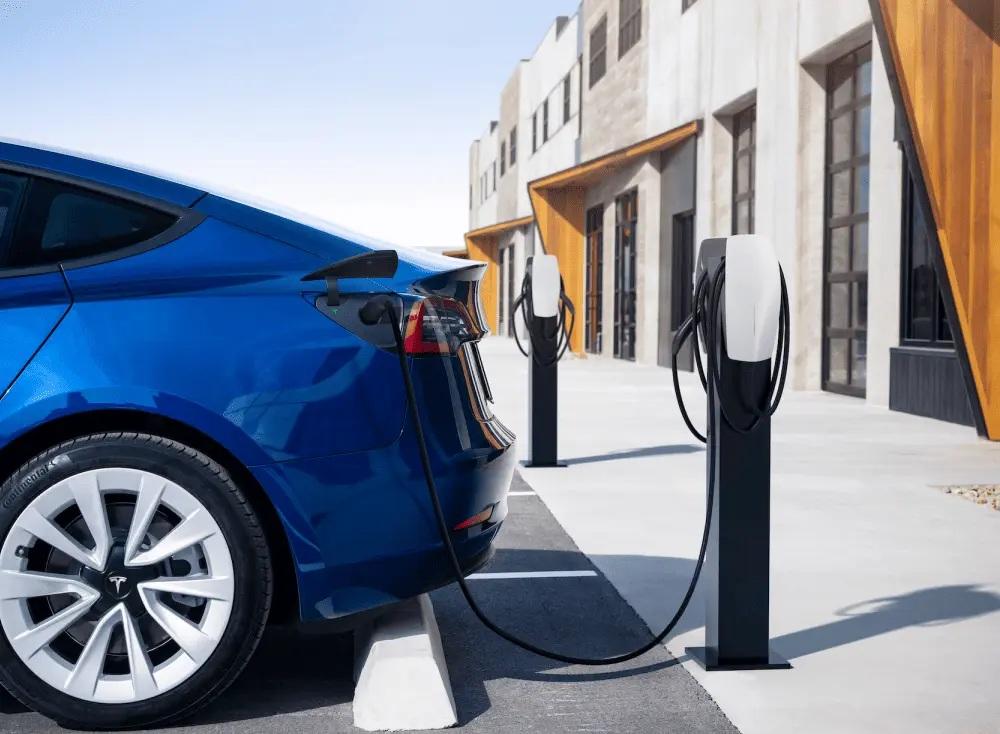
The global shift to electric vehicles (EVs) is accelerating at an unprecedented rate. Governments are tightening emissions regulations, automakers are rapidly expanding their electric lineups, and consumers are increasingly opting for EVs for their lower operational costs and environmental advantages. Yet one critical challenge continues to shape the speed of mass adoption: charging speed. For countless drivers, lengthy charging times remain a top concern—especially for long-distance travel and commercial fleet operations where downtime directly impacts productivity.
This is where ultra-fast EV chargers emerge as a transformative solution. Also known as high-power DC fast chargers, these systems slash charging times by delivering power levels far exceeding conventional charging solutions. By enabling drivers to add hundreds of kilometers of range in minutes rather than hours, ultra-fast EV charging is redefining user convenience, reshaping global EV infrastructure planning, and propelling the electric mobility ecosystem toward mainstream acceptance.
This article explores the fundamentals of ultra-fast EV chargers, including their definition, operational mechanics, core advantages, technical and operational challenges, real-world use cases, and their pivotal role in shaping the future of transportation.
Ultra-Fast EV Chargers: Core Fundamentals
What Are Ultra-Fast EV Chargers?
Ultra-fast EV chargers are direct current (DC) charging systems engineered to deliver extremely high power outputs—typically 150 kW, 250 kW, 350 kW, or even higher—directly to an EV’s battery pack. Unlike AC EV chargers, which rely on the vehicle’s onboard charger to convert alternating current to direct current, ultra-fast DC chargers bypass this built-in bottleneck, supplying DC electricity straight to the battery for drastically accelerated charging.
In practical use, an ultra-fast charger can recharge an EV from 10% to 80% state of charge (SoC) in just 15–30 minutes, with exact times varying based on the vehicle’s battery capacity, native charging architecture, and thermal management system. This makes ultra-fast charging the ideal solution for high-demand scenarios including:
- Highway rest areas and long-distance travel corridors
- Urban fast-charging hubs
- Commercial fleet depots
- Taxi and ride-hailing operation centers
- Logistics and last-mile delivery fleets
As battery technology and charging infrastructure continue to evolve, ultra-fast chargers have become a cornerstone of modern, future-ready EV infrastructure worldwide.
How Ultra-Fast Charging Technology Works
Ultra-fast charging leverages advanced power electronics and intelligent communication to deliver high-speed, safe power transfer—with three core operational pillars:
DC Power Delivery
Ultra-fast EV chargers convert grid-supplied alternating current (AC) into high-voltage direct current (DC) using cutting-edge power conversion modules. This direct DC delivery eliminates the performance limitation of a vehicle’s onboard AC-to-DC charger, the primary bottleneck in slower charging solutions.
High-Voltage, Optimized Current Operation
Most ultra-fast chargers operate at voltage ranges from 400 V to 1000 V, with next-generation systems increasingly optimized for 800 V vehicle architectures—the industry’s emerging standard for high-performance EVs. Higher voltage enables more power to be transferred with lower electrical current, a critical design choice that reduces heat generation during charging, minimizes energy loss, and improves overall system efficiency.
Smart, Dynamic Communication
Modern ultra-fast chargers utilize industry-leading communication protocols (including CCS, ISO 15118, and OCPP) to establish real-time two-way communication with the EV. This allows the charger to dynamically adjust power delivery based on real-time vehicle and grid conditions, including:
- Battery state of charge (SoC)
- Battery core temperature
- The vehicle’s maximum charging acceptance rate
- Grid power availability and stability
This intelligent power management not only maximizes charging speed when possible but also protects the vehicle’s battery health by avoiding stress from overcharging or extreme current levels—extending the battery’s long-term lifespan.
Key Advantages of Ultra-Fast EV Chargers
Ultra-fast charging addresses the most pressing pain points of EV adoption and operation, offering a suite of transformative benefits for individual drivers, fleet operators, and the broader EV ecosystem:
-
Dramatically Reduced Charging DowntimeThe most impactful benefit is speed: drivers can add 200–300 km of driving range in as little as 10–15 minutes, making EV charging comparable to the refueling experience of conventional gasoline vehicles for most daily and travel use cases.
-
Eliminating Range Anxiety for Long-Distance TravelUltra-fast charging networks along highways, interstates, and major travel corridors remove the primary barrier to long-distance EV travel: range anxiety. Drivers can now confidently embark on cross-country or regional trips with only short, convenient charging stops.
-
Maximized Infrastructure UtilizationShorter charging sessions mean each ultra-fast charger can serve far more vehicles per day than slower charging solutions. This higher throughput improves the return on investment (ROI) for charging station operators, making infrastructure deployment more economically viable.
-
Optimized for Commercial and Fleet OperationsFor fleet operators—where time is directly tied to revenue—ultra-fast charging minimizes vehicle downtime. Taxis, public transit buses, delivery vans, and logistics trucks can recharge during short driver breaks, boosting fleet utilization rates and overall operational efficiency.
-
Scaling with the Evolving EV EcosystemAs EV battery sizes continue to increase (to support longer ranges) and consumer adoption expands, ultra-fast charging ensures that infrastructure keeps pace with growing demand—preventing a bottleneck in the global shift to electric mobility.
Ultra-Fast Charging Standards and Global Connectors
To enable seamless, cross-brand compatibility, ultra-fast charging relies on standardized connectors and protocols, with four key systems dominating global markets:
-
CCS (Combined Charging System)The most widely adopted ultra-fast charging standard in Europe and North America, CCS supports power levels up to 350 kW (and higher for next-gen systems) and is compatible with nearly all modern EVs in these regions. It combines AC and DC charging capabilities in a single connector, offering universal usability.
-
CHAdeMOOriginally developed and popularized in Japan, CHAdeMO supports high-power DC charging but is gradually being phased out in favor of CCS in most global markets, with limited new vehicle adoption.
-
GB/T (China National Standard)China’s proprietary GB/T standard is evolving rapidly to meet the needs of its world’s largest EV market, with new ultra-fast charging specifications supporting higher voltages and power levels to accommodate the country’s growing fleet of electric passenger and commercial vehicles.
-
NACS (North American Charging Standard)Tesla’s original proprietary charging technology, rebranded as NACS, supports ultra-fast charging and is increasingly being adopted by major automakers in North America, Europe, and other regions—driving greater interoperability and expanding the global ultra-fast charging network.
Key Challenges of Ultra-Fast EV Charging
Despite its transformative benefits, ultra-fast charging faces significant technical, operational, and infrastructural challenges that must be addressed for widespread, global deployment:
Grid Capacity and Extreme Power Demand
Ultra-fast chargers draw enormous amounts of electrical power: a single 350 kW charger consumes as much electricity as dozens of average households. Large-scale charging hubs (with 10+ ultra-fast ports) require substantial grid upgrades, including:
- Dedicated high-capacity transformers
- Reinforced electrical wiring and distribution
- On-site energy storage systems (to mitigate peak demand)
Managing this extreme power demand and avoiding grid strain is the single biggest challenge for scaling ultra-fast charging infrastructure.
High Installation and Infrastructure Costs
Ultra-fast charging stations are significantly more expensive to deploy than Level 2 AC chargers, with costs spanning:
- High-power charging hardware and power conversion modules
- Civil engineering work (for site preparation and grid connection)
- Advanced cooling systems (for both chargers and vehicle batteries)
- Utility connection fees and grid upgrade costs
While equipment costs are declining and higher utilization improves ROI, upfront capital expenditure remains a barrier for many potential operators.
Battery Heat Generation and Degradation Risks
Fast charging generates significant heat within lithium-ion batteries, and repeated ultra-fast charging—without proper thermal management—can accelerate battery degradation and reduce long-term lifespan. Modern EVs mitigate this risk with advanced liquid cooling systems for batteries and optimized charging curves (which slow charging speed as the battery approaches full capacity), but this remains a key design and usage consideration.
Uneven Real-World Charging Speeds
Not all EVs can take full advantage of ultra-fast chargers’ maximum power output. A vehicle’s charging speed is limited by its maximum charging acceptance rate—a hardwired design specification—along with battery temperature and condition. This means real-world charging speeds can vary drastically between models, with some EVs only able to draw 50–100 kW from a 350 kW charger.
Real-World Applications of Ultra-Fast EV Chargers
Ultra-fast charging is not a one-size-fits-all solution but is uniquely optimized for high-demand, high-throughput use cases across residential, commercial, and public sectors:
-
Highway Charging CorridorsThe most critical application, ultra-fast chargers are the backbone of national and regional EV highway networks. Strategically placed at rest areas, gas stations, and travel plazas, they enable short charging stops for long-distance travelers.
-
Urban Fast-Charging HubsIn dense urban areas where on-street or home charging is limited (e.g., for apartment residents), ultra-fast charging hubs in parking garages, retail centers, and transit hubs provide convenient, rapid charging for city drivers.
-
Commercial Fleet and Logistics DepotsDelivery companies, third-party logistics providers, and distribution centers rely on ultra-fast charging to keep their electric fleets on the road, with charging integrated into driver shift breaks and route planning.
-
Ride-Hailing and Taxi ServicesRide-hailing and taxi operators use ultra-fast charging stations at dedicated depots or urban hotspots, allowing drivers to recharge during short breaks and maximize their daily driving and revenue-generating hours.
-
Heavy-Duty Electric VehiclesAs electric buses, semi-trucks, and heavy-duty commercial vehicles gain traction, ultra-fast charging (including megawatt-level systems) becomes essential to support their large batteries and demanding duty cycles—enabling quick recharges between routes.
Energy Storage and Renewable Integration: Reducing Grid Stress
To address grid capacity challenges and align ultra-fast charging with global sustainability goals, many modern charging stations integrate clean energy and energy storage solutions:
-
Battery Energy Storage Systems (BESS)On-site battery storage stores electricity during off-peak grid hours (when power is cheaper and more abundant) and dispenses it during peak charging demand, reducing strain on the grid and lowering operational costs.
-
On-Site Renewable GenerationSolar canopies, rooftop solar panels, and wind turbines generate clean, renewable electricity on-site to power ultra-fast chargers, reducing reliance on the grid and lowering the carbon footprint of EV charging.
-
Smart Energy Management SystemsAI-powered energy management software balances load across multiple ultra-fast chargers, optimizes energy use from the grid and on-site storage, and predicts demand—ensuring efficient, reliable operation while minimizing grid impact.
These integrated solutions turn ultra-fast charging stations from grid stressors into grid-friendly assets, supporting both electric mobility and global decarbonization goals.
Safety and Reliability for Ultra-Fast Charging
Ultra-fast EV chargers operate at extremely high voltages and currents, making safety and long-term reliability non-negotiable in their design, installation, and operation. Modern systems incorporate multiple layers of advanced safety technology to protect users, vehicles, and equipment:
- Overcurrent and Overvoltage Protection: Instantly shuts off power to prevent electrical overloads, voltage spikes, or power fluctuations that could damage charging hardware or vehicle batteries.
- Ground Fault Detection: Continuously monitors electrical flow and disconnects power immediately if abnormal conditions (e.g., electrical leakage) are detected, eliminating the risk of electric shock.
- Advanced Thermal Management: Liquid or high-capacity air cooling systems regulate temperatures in both the charger and the vehicle’s charging port during high-power sessions, preventing overheating and ensuring consistent performance.
- Durable, Weather-Resistant Design: Chargers are built with fire-resistant materials and reinforced enclosures to withstand harsh outdoor conditions (extreme temperatures, rain, snow, dust) and physical damage.
- Real-Time Remote Monitoring and Diagnostics: Operators can track charger status, identify potential issues early, and perform predictive maintenance—minimizing downtime and ensuring uninterrupted service.
All ultra-fast charging systems also adhere to strict international safety and quality standards (e.g., IEC 61851, UL 2594), with regular inspections and maintenance ensuring compliance throughout their operational lifespan.
Government Policies and Global Market Growth
Governments worldwide recognize ultra-fast charging as a critical enabler of EV adoption and are actively supporting its deployment through targeted policies and incentives:
- Direct infrastructure subsidies and grants for charging station operators
- Public-private partnerships (PPPs) to fund large-scale highway and urban charging networks
- Mandates for ultra-fast charging coverage along major highways and transit corridors
- Tax incentives and grants for fleet operators that adopt electric vehicles and ultra-fast charging
- Regulatory support for grid upgrades to accommodate high-power charging demand
These policies are accelerating private-sector investment in ultra-fast charging, helping build the backbone of next-generation EV infrastructure across every major global market.
Future Trends in Ultra-Fast EV Charging
The ultra-fast charging industry is evolving rapidly, with four key trends shaping its future development and global adoption:
-
Megawatt-Level ChargingResearch and development are underway for megawatt (MW)-level charging systems (1,000 kW+), specifically designed for heavy-duty electric vehicles (trucks, buses, and construction equipment). This technology will enable full recharges of large commercial vehicle batteries in under 20 minutes, matching the refueling speed of diesel-powered vehicles.
-
Plug-and-Charge TechnologyUniversal adoption of ISO 15118 Plug-and-Charge will eliminate the need for apps, payment cards, or fobs: the charger and vehicle will automatically authenticate the user, initiate charging, and process billing—making the experience as seamless as refueling a conventional vehicle.
-
AI-Driven Energy ManagementArtificial intelligence and machine learning will optimize power distribution across charging hubs, predict peak demand, and integrate with smart grids and renewable energy sources. This will reduce operational costs for operators, minimize grid stress, and maximize the use of clean energy.
-
Global StandardizationThe growing adoption of NACS and CCS across global markets is driving greater cross-regional compatibility, with efforts underway to align technical specifications and protocols. This global standardization will enhance user convenience and accelerate the deployment of ultra-fast charging networks in emerging EV markets.
Conclusion
Ultra-fast EV chargers represent a critical milestone in the evolution of global electric mobility. By dramatically reducing charging times and eliminating the primary barrier to long-distance EV travel, they address the most significant concern of both individual consumers and commercial fleet operators—paving the way for mass EV adoption. While challenges related to grid capacity, upfront costs, and battery management remain, ongoing technological advancements, declining hardware costs, and supportive government policies are rapidly overcoming these obstacles.
As ultra-fast charging networks expand across highways, cities, commercial hubs, and fleet depots worldwide, they are transforming how drivers and operators perceive electric vehicles: from a niche, eco-friendly alternative to a practical, convenient, and future-ready transportation solution. In the coming years, ultra-fast EV chargers will not only support the explosive growth of the global EV market but also play a central role in building a cleaner, smarter, more sustainable mobility ecosystem—one that aligns with global decarbonization goals and redefines the future of transportation for generations to come.
China manufacturer offers high-quality industrial products with competitive pricing and advanced production capabilities.

 English
 Arabic
 Français
 Português
 Deutsch
 Türkçe
 Dutch
Dutch
 Italiano
 Russian
 Romaian