


What is In-Vitro Fertilization (IVF)
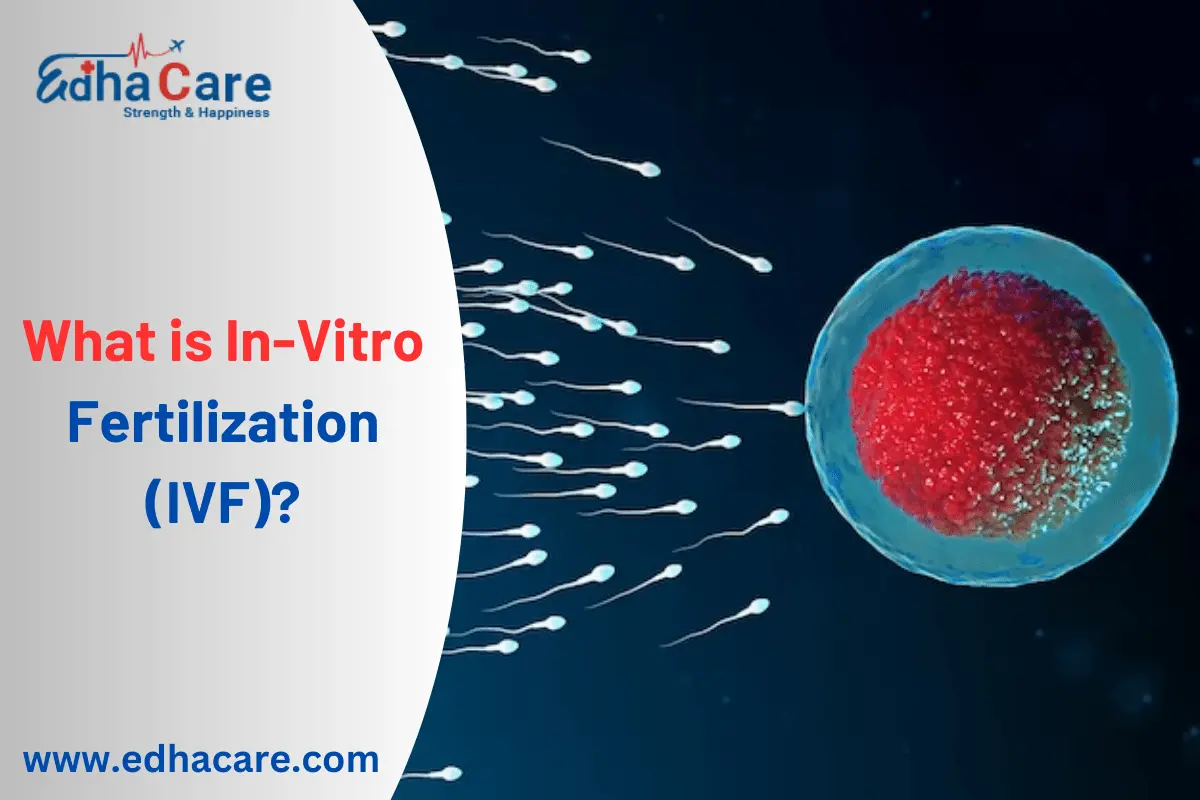
The process involves fertilizing an egg with sperm outside the body in a controlled laboratory environment and then transferring the healthy embryo into the uterus. IVF is one of the most effective assisted reproductive technologies and has helped millions of people achieve parenthood worldwide.
IVF is commonly recommended in cases of blocked fallopian tubes, ovulation disorders, low sperm count or quality, endometriosis, unexplained infertility, and age-related fertility decline. In-Vitro Fertilization (IVF) is an advanced fertility treatment that helps individuals and couples conceive when natural pregnancy is difficult or unsuccessful.
Addressing Infertility via IVF Treatment
Infertility can affect both men and women and may result from hormonal imbalances, genetic factors, lifestyle issues, or underlying medical conditions. Addressing infertility via IVF treatment by bypassing many of the natural barriers to conception. Through ovarian stimulation, egg retrieval, laboratory fertilization, and embryo transfer, IVF provides a structured and medically supervised pathway to pregnancy.
Advanced techniques such as ICSI (Intracytoplasmic Sperm Injection), embryo freezing, genetic testing (PGT), and blastocyst transfer further enhance IVF success rates. Each treatment plan is personalized based on the patient’s medical history, ensuring the best possible outcome.
Why Talk About Infertility (In-Vitro Fertilization)?
Talking openly about infertility is essential to reduce stigma, spread awareness, and encourage timely medical support. Many people delay seeking treatment due to social pressure, lack of information, or emotional stress. Open discussions about IVF and infertility help normalize the condition and empower individuals to explore available solutions without fear or shame.
Raising awareness also helps people understand that infertility is a medical condition, not a personal failure. With proper diagnosis and expert care, treatments like IVF can offer real hope and positive results.
Benefits of IVF and Modern Fertility Care
IVF offers several benefits, including higher chances of conception, controlled treatment planning, and access to advanced reproductive technology. It allows fertility specialists to closely monitor embryo development and select the healthiest embryos for transfer. IVF also provides options for fertility preservation through egg and embryo freezing, which is especially helpful for individuals planning pregnancy later in life.
With emotional counseling, medical expertise, and advanced laboratory support, IVF treatment focuses not only on pregnancy success but also on patient well-being throughout the journey.
Conclusion
In-Vitro Fertilization has transformed the way infertility is treated, offering hope to millions of families across the globe. By addressing infertility through advanced medical science and encouraging open conversations, IVF continues to break barriers and create new possibilities for parenthood. With the right guidance and care, IVF can be a life-changing solution for those dreaming of starting a family with Edhacare.

 Arabic
 Français
 Español
 Português
 Deutsch
 Türkçe
 Dutch
Dutch
 Italiano
 Russian
 Romaian