


AS1735 – Australian Standards For Commercial Lift Carts
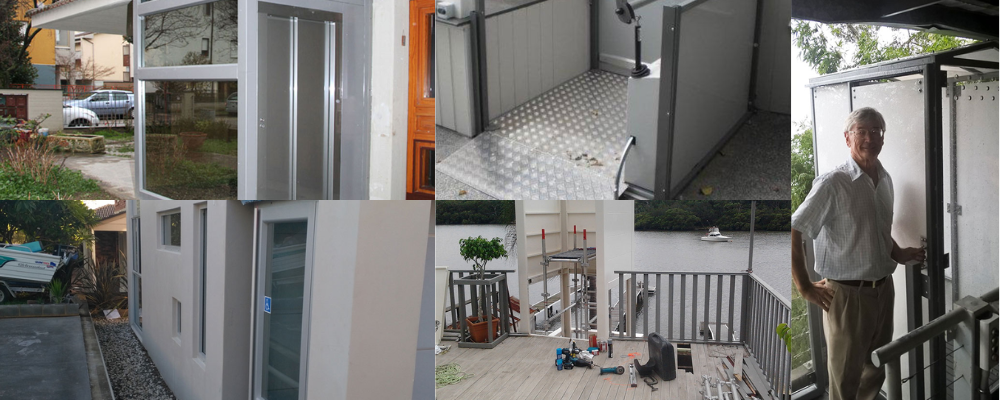
Commercial sites across the nation, such as hospitals, shopping malls, multi-storey buildings, and warehouses, have robust backbones that support operations and enhance accessibility. This backbone is called hydraulic lift carts, and they continue to operate quietly in the background. When they perform well, no one notices or appreciates their functioning, but when they stop, they become subject to criticism from everyone.
Quite rightly so, because with them the operations also come to a halt, safety concerns surface, and liability questions follow quickly. Australian standards matter most for hydraulic lift carts and other commercial lifts and elevators operating in a commercial environment. In this country, compliance isn't just paperwork. It is a line between a reliable asset and an expensive risk.
WHY STANDARDS MATTER SO MUCH FOR COMMERCIAL LIFTS IN AUSTRALIA?
Australia takes vertical transportation safety very seriously for several good reasons. Commercial buildings place constant pressure and unpredictable loads on lift systems, and they are often overused and misused. Trolleys slam into doors, weight limits are tested daily, and no standards or rules related to safe operations are followed. This is why standards are set to keep real-world behaviour in check in every situation.
FOR ANY COMMERCIAL HYDRAULIC LIFT, COMPLIANCE AFFECTS:
● Workplace safety obligations
● Insurance cover and liability exposure
● Council approvals and occupancy certificates
● Long-term maintenance and servicing costs
THE CODE STANDARDS GOVERNING LIFTS AND ELEVATORS – AS-1735
The backbone of lift and elevator installation in Australia sits within AS-1735, which applies to lifts, escalators and moving walks. Several parts of these standards apply directly to hydraulic lift carts and commercial hydraulic lifts used in commercial settings.
KEY AREAS COVERED INCLUDE:
● Structural integrity and load-bearing requirements
● Door systems, interlocks, and fail-safes
● Emergency lowering and power failure operation
● Control systems and user safety interfaces
It is mandatory for councillors, certifiers, insurers, and installers to follow the standards set out in AS-1735 and ensure installations comply with the rules.
HYDRAULIC LIFT CARTS – STANDARD COMPLIANCE CONSIDERATIONS
Hydraulic lift systems have unique regulatory requirements because they rely on fluid, pressure cylinders, and valves to manage movement. This means they are entirely opposite to traction lifts and elevators, and their operations introduce unique risks if poorly designed, installed, or inadequately maintained.
AUSTRALIAN STANDARDS REQUIRE:
● Controlled descent speeds under failure conditions
● Burst protection for hydraulic lines
● Safe containment of hydraulic fluid
● Clearly marked load ratings inside the lift cart
Building inspectors are responsible for scrutinising the hydraulic components very closely, as the risks of leakages and environmental exposure are always there. This applies to older sites and coastal regions more strictly compared to inland areas, where conditions are always in favour of these lifts.
LOAD RATINGS ARE NON-NEGOTIABLE
Overloading is a major compliance breach in commercial hydraulic lifts and hydraulic lift carts worldwide. Operators often assume that lift carts can handle the overload weight, but this is not true.
STANDARDS MANDATE:
● Clearly displayed rated load signage
● Design margins that exceed expected operational loads
● Testing under maximum rated capacity
Mainly, hydraulic lift carts are designed to carry 1000 kilograms safely repeatedly and without degradation. Exceeding the weight limit invalidates compliance and can void warranties and insurances.
DOOR SYSTEM INTERLOCKS AND USER SAFETY
Doors cause more accidents than almost any other lift component in residential, commercial, and traction elevators. The same is this situation with hydraulic lift carts, and therefore, Australian standards have strict requirements related to safe door operation in these machines.
TOP EXPECTATIONS INCLUDE THE FOLLOWING
● Mechanical and electrical interlocks prevent movement when doors are open
● Obstruction detection to avoid crushing injuries
● Robust door materials suited to high-traffic environments
In retail and healthcare settings, installers and certifiers have to flag lightweight and poorly aligned doors as non-compliant. They have to do this even if the lift operation is flawless, and technically, there are no issues at all.
EMERGENCY SYSTEM AND POWER FAILURE PROTECTION
It is expected from users of hydraulic lift carts and commercial hydraulic lifts to have a robust backup system and plan for power outages. These machines cannot become traps during blackouts, power outage situations, or any equipment failure. According to AS-1735 standards, every lift or elevator must have the following –
● Emergency lowering systems
● Manual release mechanisms accessible to authorised personnel
● Alarm and communication systems within the lift cart
These requirements align closely with Workplace Safety Obligations under Safe Work Australia guidance. They both emphasise emergency preparation of plant and equipment to tackle unexpected situations.
INSTALLATION QUALITY IS ALWAYS UNDER SCRUTINY
A good-quality design of any hydraulic lift cart or commercial hydraulic lift can still fail in certification if the installation is not done as per the AS-1735 standards. Australian certifiers and inspectors have to carry out inspections regularly to identify installation issues such as –
● Incorrect pit depths
● Inadequate clearances above the lift cart
● Poor alignment of guide rails
● Improper hydraulic line routing
This is where the experience of seasoned installers is tested. Standards assume competent installation, and they don't compensate for shortcuts at all.
MAINTENANCE-RELATED OBLIGATIONS ACCORDING TO AUSTRALIAN STANDARDS AS-1735
Compliance doesn't end with the installation or proper functioning of the machine. Ongoing maintenance is an integral part of these Australian standards, and they have to be followed as per the requirements. For example, Australian standards require:
● Regular inspections by qualified technicians
● Record-keeping of servicing and repairs
● Prompt rectification of identified defects
A poorly maintained lift can drift out of compliance quietly, particularly in high-use environments like warehouses, hospitals and aged-care facilities.
COMMON COMPLIANCE MISTAKES OFTEN SEEN IN AUSTRALIA
Even after a proper understanding of Australian Standards AS-1735, it has been observed that some business owners and users of commercial hydraulic lifts continue to commit the same errors. A quick list of these errors is presented below.
● Specifying residential-grade components for commercial use
● Ignoring environmental factors like heat, moisture, or dust
● Assuming older lifts are "grandfathered" and exempt
● Skipping load testing after major repairs
Australian regulators and inspectors never accept ignorance as a defence. Responsibilities sit with the building owner and the operator, and they are penalised heavily for not following the rules and regulations related to lift and elevator safety.
HOW STANDARDS INFLUENCE THE DESIGN DECISION?
Ideally, a good-quality elevator installation project will consider standards before planning or drawing the process. This happens because installation teams understand that compliance can affect numerous factors, like –
● Shaft dimensions
● Pit construction
● Power supply requirements
● Equipment room layouts
Designing and installation performed around the standards means costly repair work, rework and fines will be avoided easily. Architects and builders involve lift specialists before the planning process to reduce delays during certification.
Here are some frequently asked questions related to the relation between Australian Standards AS-1735 and hydraulic lift carts operations.
FAQs
DO ALL COMMERCIAL LIFT CARTS IN AUSTRALIA NEED TO MEET AS-1735?
● AS-1735 applies nationally and forms the basis for certification, regardless of state or territory.
ARE OLDER HYDRAULIC LIFT CARTS EXEMPT FROM CURRENT STANDARDS?
● While older installations may follow standards current at the time.
● Upgrades and major repairs often trigger compliance with newer requirements.
WHO IS RESPONSIBLE FOR COMPLIANCE: OWNER OR INSTALLER?
● Installers must deliver compliant systems.
● Owners remain responsible for ongoing operation and maintenance.
HOW OFTEN SHOULD A HYDRAULIC LIFT CART BE INSPECTED?
● Inspection frequency depends on usage.
● Commercial environments typically require regular scheduled servicing by qualified technicians.

 English
 Arabic
 Español
 Português
 Deutsch
 Türkçe
 Dutch
Dutch
 Italiano
 Russian
 Romaian