


Why Structural Engineering Services Are Critical for Modern Construction
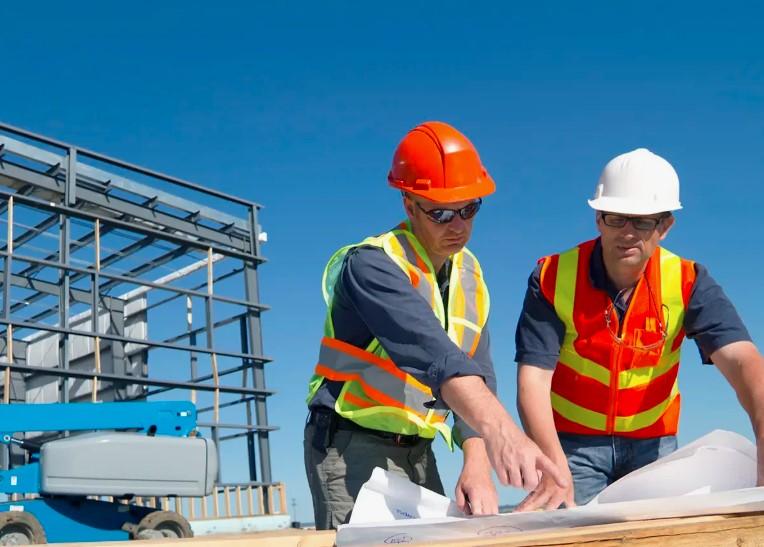
In today’s fast-evolving construction landscape, safety, sustainability, and efficiency are no longer optional—they are essential. Behind every stable bridge, resilient high-rise, and durable home lies the expertise of Structural Engineering Services. These services form the backbone of construction projects, ensuring that structures can safely withstand loads, environmental forces, and the test of time.
Whether for residential, commercial, or industrial projects, structural engineers play a pivotal role in transforming architectural vision into safe, buildable reality.
What Are Structural Engineering Services?
Structural Engineering Services involve the analysis, design, and planning of structural systems that support buildings and infrastructure. Structural engineers ensure that constructions can handle stresses such as weight, wind, seismic activity, temperature changes, and soil movement.
These services typically include:
-
Structural design and calculations
-
Load analysis and material selection
-
Foundation design
-
Retrofitting and rehabilitation
-
Structural inspections and assessments
-
Construction support and site evaluations
From skyscrapers to small home extensions, structural engineering ensures that every element performs reliably under expected conditions.
The Role of Structural Engineers in Construction
Structural engineers collaborate closely with architects, contractors, and project managers. While architects focus on aesthetics and functionality, structural engineers ensure the design can stand safely and economically.
Their responsibilities include:
1. Ensuring Safety and Stability
The primary goal of Structural Engineering Services is to prevent structural failures. Engineers calculate load paths, analyze stresses, and design frameworks that protect occupants and assets.
2. Optimizing Material Use
Using the right materials in the right quantities reduces costs and environmental impact. Structural engineers evaluate steel, concrete, timber, and composite materials to balance strength, durability, and budget.
3. Meeting Building Codes and Standards
Every region has strict construction regulations. Structural engineers ensure compliance with local and international codes, reducing legal risks and ensuring long-term reliability.
4. Supporting Innovative Designs
Modern architecture often pushes boundaries with open spaces, cantilevers, and complex shapes. Structural engineers make these designs feasible without compromising safety.
Types of Structural Engineering Services
Residential Structural Engineering
These services include foundation design, load-bearing wall analysis, roof framing design, and structural assessments for renovations. Homeowners rely on structural engineers to ensure their homes remain safe and durable.
Commercial Structural Engineering
Commercial buildings like offices, malls, and hotels require robust systems to handle higher occupancy and complex layouts. Structural engineers design efficient frameworks that support larger loads and long spans.
Industrial Structural Engineering
Factories, warehouses, and plants require specialized designs to accommodate heavy machinery, vibrations, and dynamic loads. Structural Engineering Services help maintain safety in these demanding environments.
Infrastructure Engineering
Bridges, tunnels, highways, and water treatment facilities all depend on advanced structural analysis. Infrastructure projects demand precision and long-term durability under harsh environmental conditions.
Benefits of Professional Structural Engineering Services
Improved Safety
Professional structural engineering minimizes the risk of collapse, cracking, or long-term structural damage. This protects lives and investments.
Cost Efficiency
Proper planning avoids overdesign and reduces costly construction errors. Early involvement of structural engineers often saves money during both construction and maintenance.
Sustainability
Modern Structural Engineering Services focus on sustainable design by optimizing materials, reducing waste, and improving energy performance.
Longevity of Structures
Well-designed structures require less frequent repairs and have longer service lives, providing better value over time.
Risk Mitigation
Structural assessments and inspections identify potential weaknesses early, preventing expensive and dangerous failures.
Technology in Structural Engineering
The field has evolved significantly with advancements in technology. Engineers now use sophisticated software for modeling, simulation, and analysis. Building Information Modeling (BIM), finite element analysis (FEA), and 3D structural modeling allow engineers to visualize performance before construction begins.
These tools enhance accuracy, streamline collaboration, and help detect conflicts early, saving time and reducing project risks.
When Do You Need Structural Engineering Services?
You may require Structural Engineering Services in situations such as:
-
Constructing a new building
-
Adding extra floors or extensions
-
Removing load-bearing walls
-
Repairing structural damage
-
Retrofitting buildings for earthquakes or storms
-
Changing the use of a building (e.g., residential to commercial)
Ignoring structural evaluation during these changes can lead to serious safety hazards and legal issues.
FAQs About Structural Engineering Services
1. What is the difference between a structural engineer and a civil engineer?
Civil engineers handle broader infrastructure projects like roads and drainage systems, while structural engineers specialize in designing and analyzing load-bearing structures.
2. Are Structural Engineering Services required for small residential projects?
Yes, especially when modifying load-bearing elements, adding extensions, or addressing foundation issues. Even small changes can impact structural integrity.
3. How do structural engineers ensure building safety?
They perform detailed load calculations, analyze environmental forces, choose appropriate materials, and design systems that meet safety codes and standards.
4. Can structural engineers help with old or damaged buildings?
Absolutely. They assess structural conditions, identify weaknesses, and design reinforcement or retrofitting solutions to restore safety.
5. Do Structural Engineering Services increase construction costs?
While there is an upfront cost, these services often reduce overall expenses by preventing design errors, material waste, and future structural failures.
Conclusion
A Civil Engineering Consultant are fundamental to safe, efficient, and durable construction. From residential homes to massive infrastructure projects, structural engineers ensure that designs are not only visually impressive but also structurally sound. Their expertise reduces risks, optimizes costs, and supports sustainable building practices.

 English
 Arabic
 Français
 Español
 Português
 Deutsch
 Dutch
Dutch
 Italiano
 Russian
 Romaian