


Solid Rugs for Modern and Minimal Home Designs
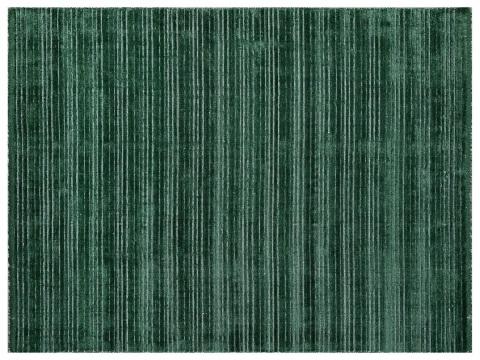
Modern interior design relies on a simple principle: less is more. You strip away the clutter, focus on clean lines, and let the space breathe. But sometimes, a room feels cold or incomplete. It lacks an anchor. This is where flooring makes or breaks the design. While patterned carpets have their place, solid rugs serve as the unsung heroes of minimalist homes.
A solid rug grounds your furniture without screaming for attention. It provides texture, warmth, and a cohesive base that pulls the entire room together. If you want to create a home that feels calm and curated, understanding the power of a single-color rug is the first step.
This guide breaks down everything you need to know about solid rugs, from choosing materials to keeping them pristine.
What Defines a Solid Rug?
A solid rug features a single, uniform color across its entire surface. But "solid" does not mean "flat" or "boring." When you remove patterns, the focus shifts entirely to texture and material quality.
The character of a solid rug comes from the pile height, the weaving technique, and the fiber itself. A hand-knotted wool rug in a solid cream shade has natural variations in the yarn, creating depth that a machine-made synthetic rug simply cannot replicate. The light hits the fibers differently throughout the day, changing the rug's appearance subtly.
In modern and minimal homes, these rugs act as a canvas. They allow your furniture, art, and architectural details to take center stage while adding necessary comfort underfoot.
The Clear Benefits of Going Solid
Choosing a solid color over a pattern offers distinct advantages for a contemporary home.
Unmatched Versatility
Design trends change fast. A bold geometric print might look great today, but it could feel dated in five years. Solid rugs transcend trends. A grey, beige, or navy rug adapts to your changing style. You can swap out throw pillows, paint the walls, or buy a new sofa, and your solid rug will likely still fit the aesthetic.
Visual Calmness
Our eyes need a place to rest. In a room with art on the walls, books on the shelves, and various furniture pieces, a busy floor creates visual chaos. A solid rug quiets the noise. It creates a serene foundation that makes the room feel larger and more open. This is crucial for minimal designs where the goal is a sense of airy spaciousness.
Easy Integration
Pattern mixing is difficult. If you have a striped sofa or floral curtains, finding a patterned rug that doesn't clash is a headache. Solid rugs remove this problem entirely. They play well with others. You can layer textures—like placing a sheepskin over a flatweave solid rug—to add interest without overwhelming the eye.
Material and Craftsmanship Matter
Since a solid rug relies on texture rather than print, the quality of the material is non-negotiable. Cheap materials look flat and lifeless in solid colors. Natural fibers offer the best look and longevity.
Wool
Wool is the standard for high-quality rugs. It is durable, naturally stain-resistant, and feels soft. A solid wool rug has a matte finish that absorbs light, giving the color a rich, saturated look.
Silk and Bamboo Silk
For a touch of luxury, silk blends add a beautiful sheen. These rugs reflect light, making the solid color appear dynamic and multi-tonal. They work best in low-traffic areas like bedrooms where they won't suffer from heavy wear.
The Value of Handcrafted Rugs in India
The way a rug is made determines its character. Machine-made rugs often look too uniform and sterile. In contrast, Handcrafted Rugs in India carry the mark of the maker.
India, specifically regions like Bhadohi, has a deep history of rug weaving. Artisans here use techniques passed down through generations. When you buy a hand-knotted or hand-loomed solid rug from this region, you get a piece with a soul. The slight variations in the weave prove it is handmade.
Brands that focus on these heritage techniques also support vital communities. For instance, ateliers that employ women weavers in Bhadohi help sustain livelihoods while keeping these skilled crafts alive. A solid rug from these looms represents hours of dedicated labor and expertise.
How to Choose the Right Rug
Selecting the perfect solid rug involves three main decisions: size, color, and texture.
Sizing It Right
A common mistake is buying a rug that is too small. In a living room, the rug should be large enough that at least the front legs of all furniture sit on it. This anchors the seating area. In a dining room, the rug must extend beyond the table so chairs don't catch on the edge when pulled out. When in doubt, go bigger. A generous rug makes a room feel luxurious.
Selecting the Color
-
Neutrals: Cream, beige, grey, and taupe are safe bets for minimal spaces. They maximize light and make the room feel expansive.
-
Dark Tones: Charcoal, navy, or black ground a room and create a cozy, intimate mood. They also hide dirt well.
-
Bold Solids: A rust or emerald green solid rug makes a statement without the busyness of a pattern. Use this if your furniture is neutral and you need a focal point.
Pile Height
-
Low Pile: These are sleek and easy to clean. They work well in dining rooms and high-traffic areas.
-
High Pile/Shag: These add softness and coziness. They are perfect for bedrooms or reading nooks where you want comfort.
-
Loop Pile: This adds significant texture and durability, great for family rooms.
When you are ready to buy rugs, always order samples if possible. Seeing the color in your specific lighting conditions ensures you make the right choice.
Care and Maintenance Tips
Solid rugs, especially lighter ones, can show dirt more easily than patterned ones. However, maintenance is simple if you stay consistent.
-
Vacuum Regularly: Dirt acts like sandpaper, grinding down the fibers. Vacuum at least once a week. If you have a hand-knotted rug, turn off the beater bar to prevent damage to the pile.
-
Rotate Often: Foot traffic and sunlight cause uneven wear and fading. Rotate your rug 180 degrees every six months to ensure it ages evenly.
-
Address Spills Immediately: Do not rub a spill. Blot it gently with a clean, white cloth. Rubbing pushes the liquid deeper into the fibers. For wool rugs, water and a mild detergent usually do the trick.
-
Use a Rug Pad: This prevents slipping and adds a layer of cushioning that protects the rug fibers from being crushed against the hard floor.
Why Quality is the Best Investment
A solid rug is a foundational piece of your home design. It sets the tone for everything else. While it might be tempting to cut corners, investing in quality materials and craftsmanship pays off. A well-made wool rug lasts for decades, developing a beautiful patina over time.
If you are looking for authentic, high-quality options, The Ambiente offers a stunning range of Handcrafted Rugs in India. Based in Bhadohi and Delhi, they combine modern design sensibilities with time-honored weaving techniques. Their commitment to using premium materials and supporting over 4,000 women weavers ensures that every piece is not just a rug, but a work of art.
When you choose a solid rug from a reputable maker, you bring warmth, style, and history into your minimal home. It is the simplest way to transform your space.

 English
 Arabic
 Français
 Español
 Português
 Deutsch
 Türkçe
 Dutch
Dutch
 Russian
 Romaian