


A Complete Guide to Professional Deck Installation
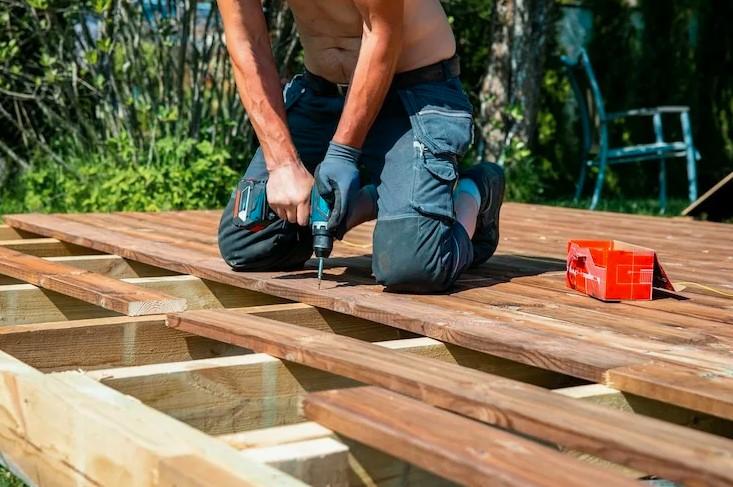
A well-designed outdoor deck can completely transform your living space, creating the perfect spot for relaxing evenings, weekend barbecues, and family gatherings. Whether attached to your home or freestanding in your backyard, a properly planned deck adds both functional space and long-term property value. But successful deck installation takes more than just a few boards and nails—it requires thoughtful planning, quality materials, and skilled craftsmanship.
We’ll walk through the essential steps, benefits, and considerations involved in building a durable and beautiful deck.
Why Deck Installation Is a Smart Investment
A deck extends your living area into the outdoors, giving you a versatile space for entertainment and leisure. Unlike patios, decks can be built on uneven ground or elevated areas, making them ideal for many property types. Professionally completed deck installation not only improves lifestyle comfort but can also increase home resale value.
Beyond financial benefits, decks enhance curb appeal and create a seamless transition between indoor and outdoor spaces. With modern materials and design options, homeowners can customize decks to match their aesthetic preferences and functional needs.
Planning Your Deck Installation
Every successful project begins with careful planning. Before construction starts, consider the following:
1. Purpose of the Deck
Think about how you plan to use the space. Will it host large gatherings, or serve as a quiet retreat? The intended use determines size, layout, and features like built-in seating or railings.
2. Budget
Costs vary depending on materials, size, and design complexity. Pressure-treated wood is affordable, while composite and hardwood options come at a higher price but require less maintenance over time.
3. Local Building Codes
Deck installation must follow local building regulations regarding height, railing, stairs, and structural support. Permits may be required, and inspections help ensure safety compliance.
4. Location and Sun Exposure
Deck placement affects comfort and longevity. Sunlight, shade, and wind patterns all influence material choice and layout.
Choosing the Right Materials
Material selection is one of the most important decisions in deck installation. Each option has unique advantages:
-
Pressure-Treated Wood: Budget-friendly and widely available, but requires regular sealing and maintenance.
-
Cedar and Redwood: Naturally resistant to insects and rot, offering a beautiful natural appearance.
-
Composite Decking: Made from recycled wood fibers and plastic, this option is low-maintenance and resistant to fading, splintering, and moisture damage.
-
PVC Decking: Highly durable and moisture-resistant, ideal for humid climates.
While wood provides a traditional look, composite materials are increasingly popular for their durability and minimal upkeep.
The Deck Installation Process
Professional deck installation typically follows a structured process:
Step 1: Site Preparation
The installation area is cleared and leveled. Measurements are marked, and footings are planned according to local codes.
Step 2: Foundation and Framing
Concrete footings are poured to support posts. These posts hold the frame, which acts as the deck’s skeleton. Proper framing ensures stability and long-term durability.
Step 3: Installing Decking Boards
Deck boards are laid across the frame, secured with screws or hidden fasteners. Spacing between boards allows for drainage and expansion due to weather changes.
Step 4: Railings and Stairs
If the deck is elevated, railings are installed for safety. Stairs are built according to precise measurements to ensure comfort and code compliance.
Step 5: Finishing Touches
Sealing, staining, or painting protects wood decks from moisture and UV damage. Composite decks usually only require cleaning.
Benefits of Hiring Professionals
While DIY projects may seem appealing, deck installation involves structural safety and technical skill. Professionals ensure:
-
Accurate measurements and secure framing
-
Compliance with building codes
-
Proper load-bearing support
-
High-quality finishes
Hiring experts reduces the risk of costly mistakes and ensures your deck lasts for decades.
Maintenance Tips After Deck Installation
To extend the life of your deck:
-
Clean regularly to remove dirt and debris
-
Reseal or stain wood decks every 2–3 years
-
Inspect for loose fasteners or damaged boards
-
Trim nearby plants to reduce moisture buildup
Composite decks require less maintenance but still benefit from periodic washing.
Frequently Asked Questions (FAQs)
1. How long does deck installation take?
Most standard deck projects take one to two weeks, depending on size, weather, and material availability.
2. Do I need a permit for deck installation?
In many areas, yes—especially for raised decks. Local authorities can confirm requirements.
3. What is the best material for low maintenance?
Composite and PVC decking require minimal upkeep compared to natural wood.
4. How long does a deck typically last?
Wood decks may last 10–20 years with proper care, while composite decks can last 25–30 years or more.
5. Can a deck be built on uneven ground?
Yes. One advantage of deck installation is that it can be elevated and supported with posts, making it ideal for sloped yards.
Conclusion
A well-executed deck installation enhances your home’s beauty, functionality, and value. From choosing materials to ensuring structural integrity, every step plays a role in building a safe and lasting outdoor space. Whether you envision a cozy backyard retreat or a spacious entertainment hub, investing in professional deck installation ensures your outdoor living area will be enjoyed for years to come.
 Deutsch
 English
 Arabic
 Français
 Español
 Português
 Türkçe
 Dutch
Dutch
 Italiano
 Russian
 Romaian